A simple, practical way to create HIIT circuits at home with limited room. Pick smart moves, choose repeatable intervals, and progress without burning out.
Home Pulse Fit
•
home workouts and fitness
The Perfect At-Home Metcon Workout
Learn how to combine strength and cardio at home with a beginner-friendly metcon workout. Includes warm-up, 20-minute routine, scaling options, and form tips.

Marcus Thorne
Marcus Thorne is an NASM-certified personal trainer and the creator behind Home Pulse Fit. After successfully transforming his own health using only bodyweight routines in his small apartment, he left his demanding corporate career to help others do the same. Today, he is dedicated to making fitness accessible, sustainable, and entirely gym-free for busy beginners.
Published
October 18, 2026
Updated
October 18, 2026
If you’ve ever felt stuck choosing between strength or cardio, metcon is your “both-and” solution. Metabolic conditioning, or metcon, is commonly programmed as circuits that blend strength moves (like squats and push-ups) with short cardio-style bursts (like quick steps in place or high knees). Over time, you can build strength endurance and overall conditioning, elevate your heart rate, and leave feeling worked in a good way.
I built my first metcon workouts in a cramped apartment with zero equipment and very little energy after long workdays. The trick was not going harder. It was keeping the workout simple enough that I could repeat it consistently.
Below is my favorite beginner-friendly way to combine strength and cardio at home, plus a complete follow-along metcon you can repeat weekly.
If you have an injury, a medical condition, or you are returning after time off, check with a qualified professional first.
Stop if you feel sharp pain, dizziness, unusual shortness of breath, nausea that does not pass with rest, chest pain, confusion, or symptoms that worsen even when you slow down.
What makes a workout metcon
Metcon is about pairing muscle tension with elevated breathing in timed intervals or short rounds. Many metcons alternate strength and cardio inside the same circuit, but they can also be mixed-modal or sustained efforts where your heart rate stays up while you keep moving.
The simple formula
- Strength move: slow enough to feel your muscles working (squats, lunges, push-ups, hinges)
- Cardio burst: fast enough to raise your heart rate (high knees, mountain climbers, quick steps)
- Repeat: short rounds so your effort stays steady
Why beginners often love it
- Time efficient: for many beginners, 15 to 25 minutes is plenty.
- No equipment required: bodyweight is more than enough when the pace is right.
- Builds real-life fitness: strength endurance + breathing control + coordination.
- More interesting than steady cardio: the variety helps workouts feel faster.
Mix strength and cardio safely
Most people do not need more intensity. They need a better blend. Here are the rules I use when I program metcons for busy beginners.
Rule 1: Strength stays clean, cardio stays quick
Your strength reps should look controlled, even when you are breathing hard. Your cardio should feel snappy, like a burst you can recover from.
- If your push-ups turn into a “face-first dive,” your cardio is too intense or your rest is too short.
- If you can chat comfortably the whole time, your cardio burst is too easy or too short.
Rule 2: Alternate muscle groups
A simple pattern is lower body then upper body then cardio. This spreads fatigue around so you can keep moving.
Rule 3: Turn one knob at a time
When you want progression, change just one thing at a time:
- Add a round
- Reduce rest slightly
- Make one move harder
- Add a few reps
Stacking all of these at once is how people flame out by week two.
Your at-home metcon (20 minutes)
This workout is designed for small spaces, zero equipment, and beginner-friendly scaling. You will rotate through strength and cardio in a way that keeps your heart rate up without making the strength sloppy.
What you need
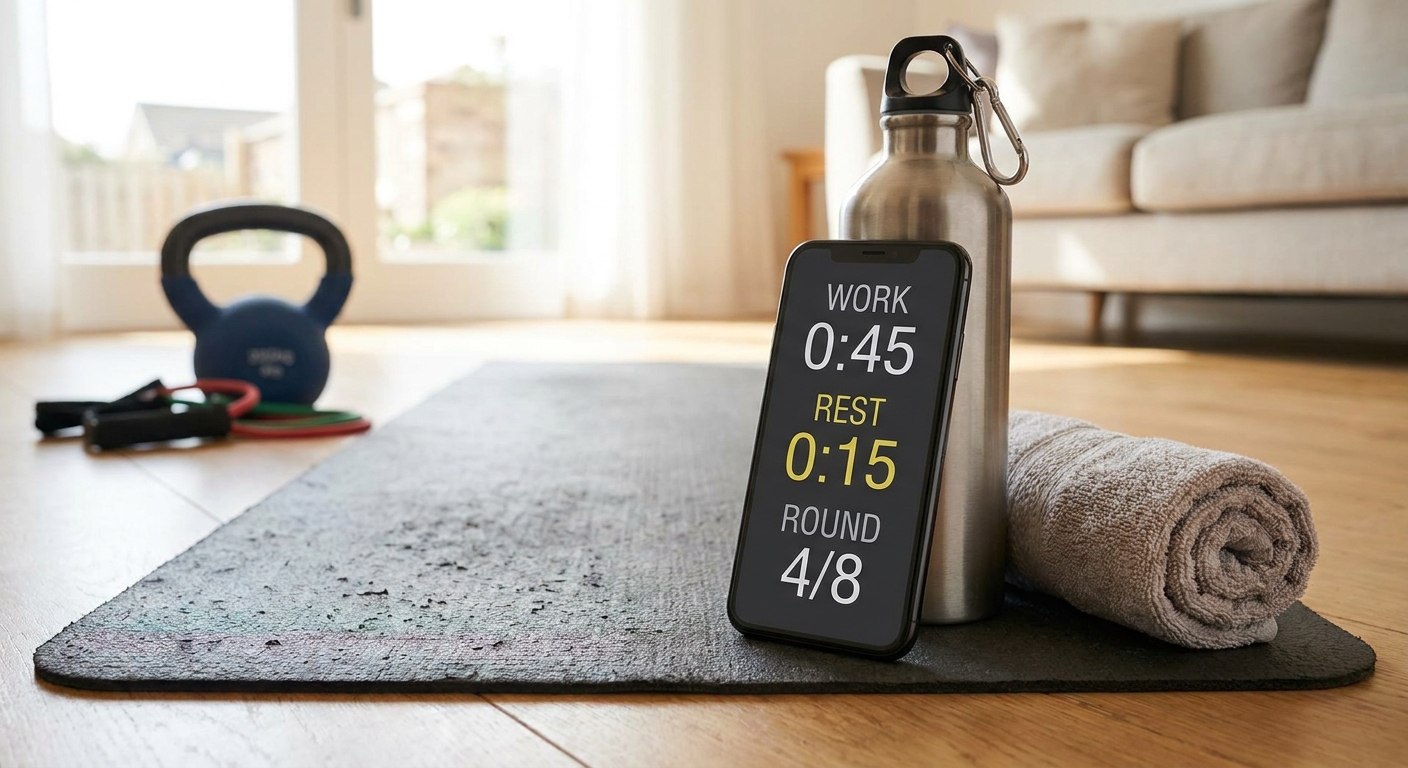
- A timer (phone is fine)
- A small clear space
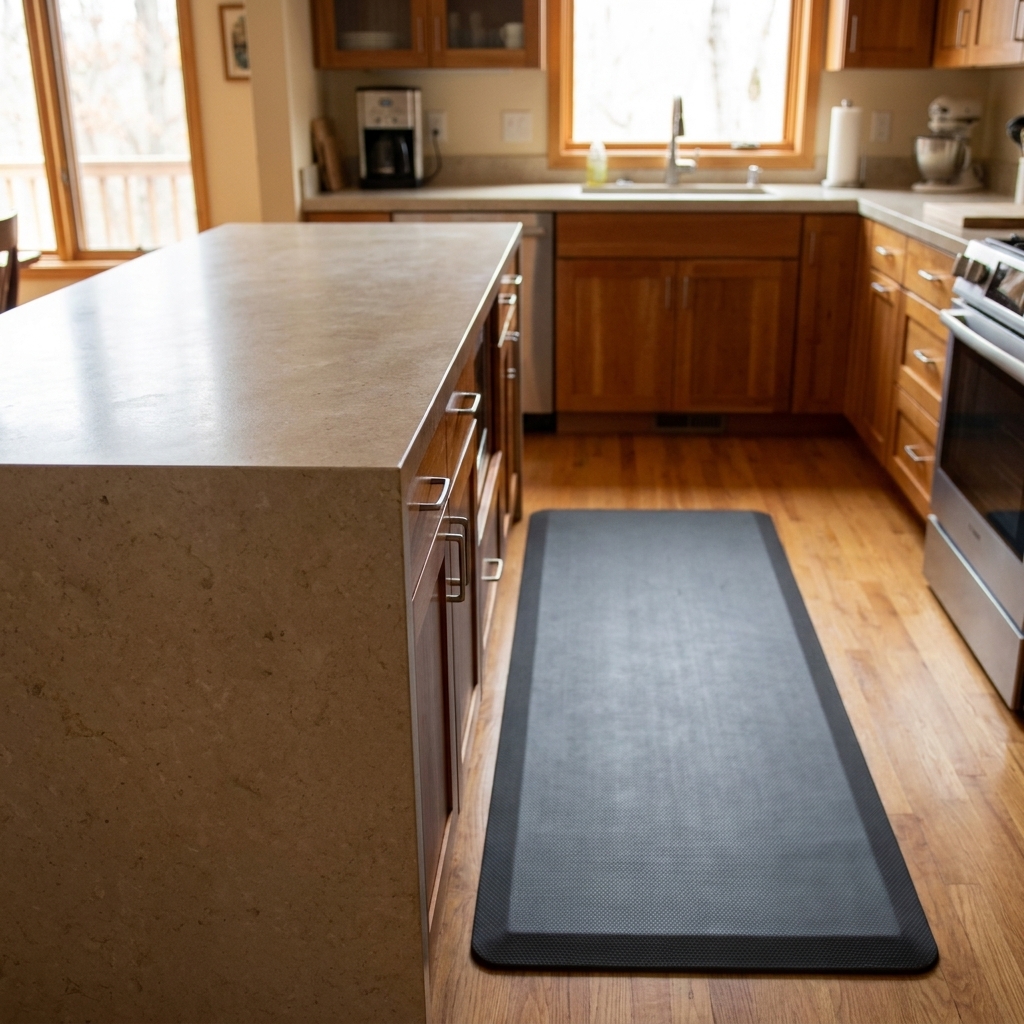
- Optional: exercise mat for comfort
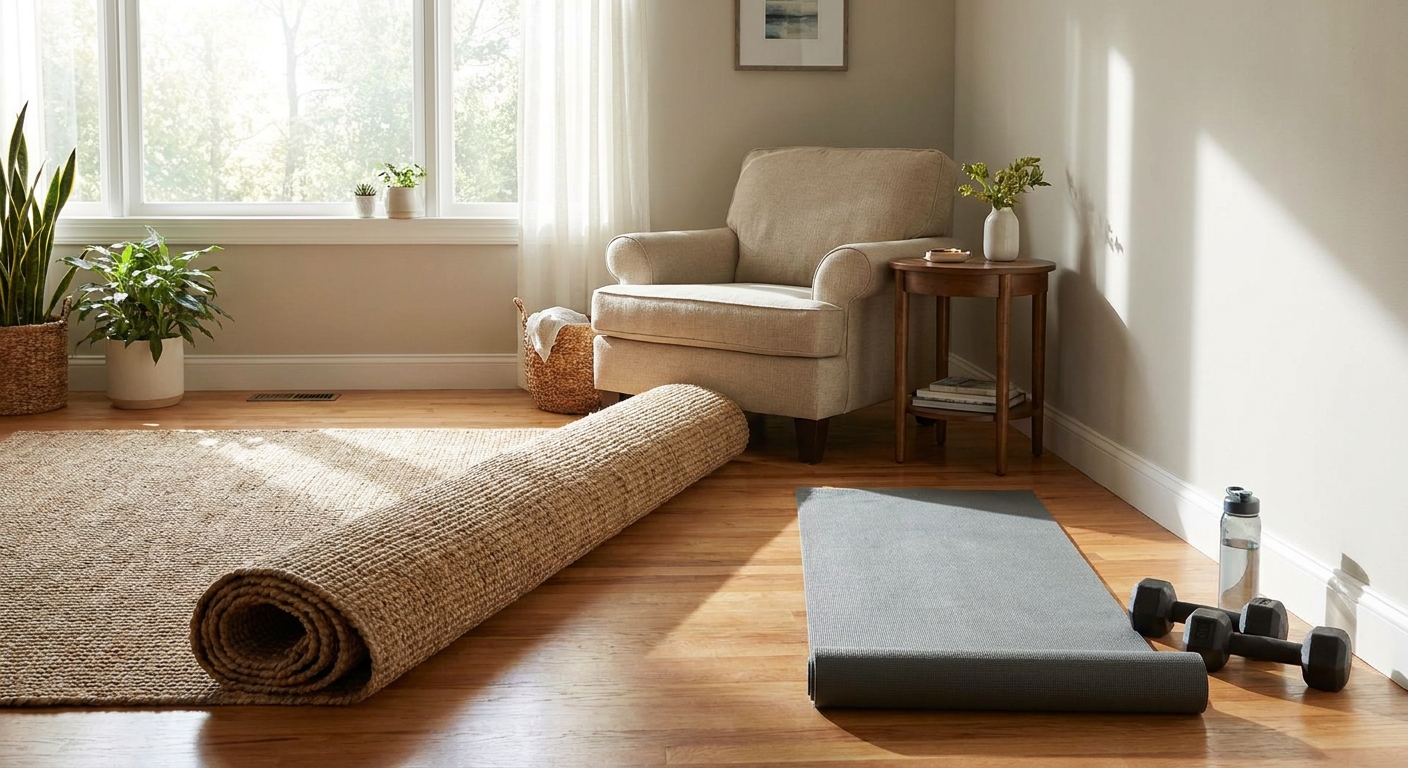
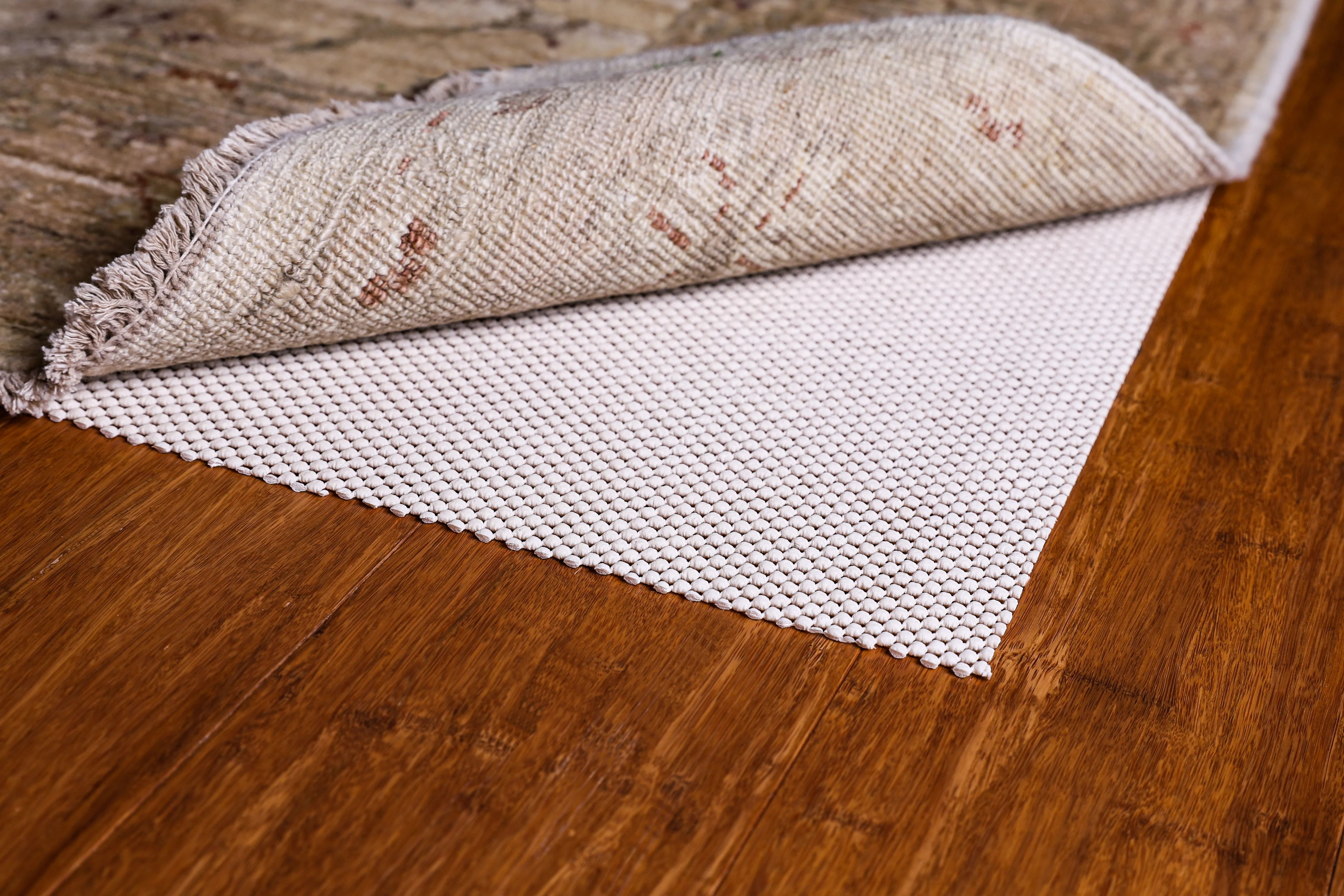
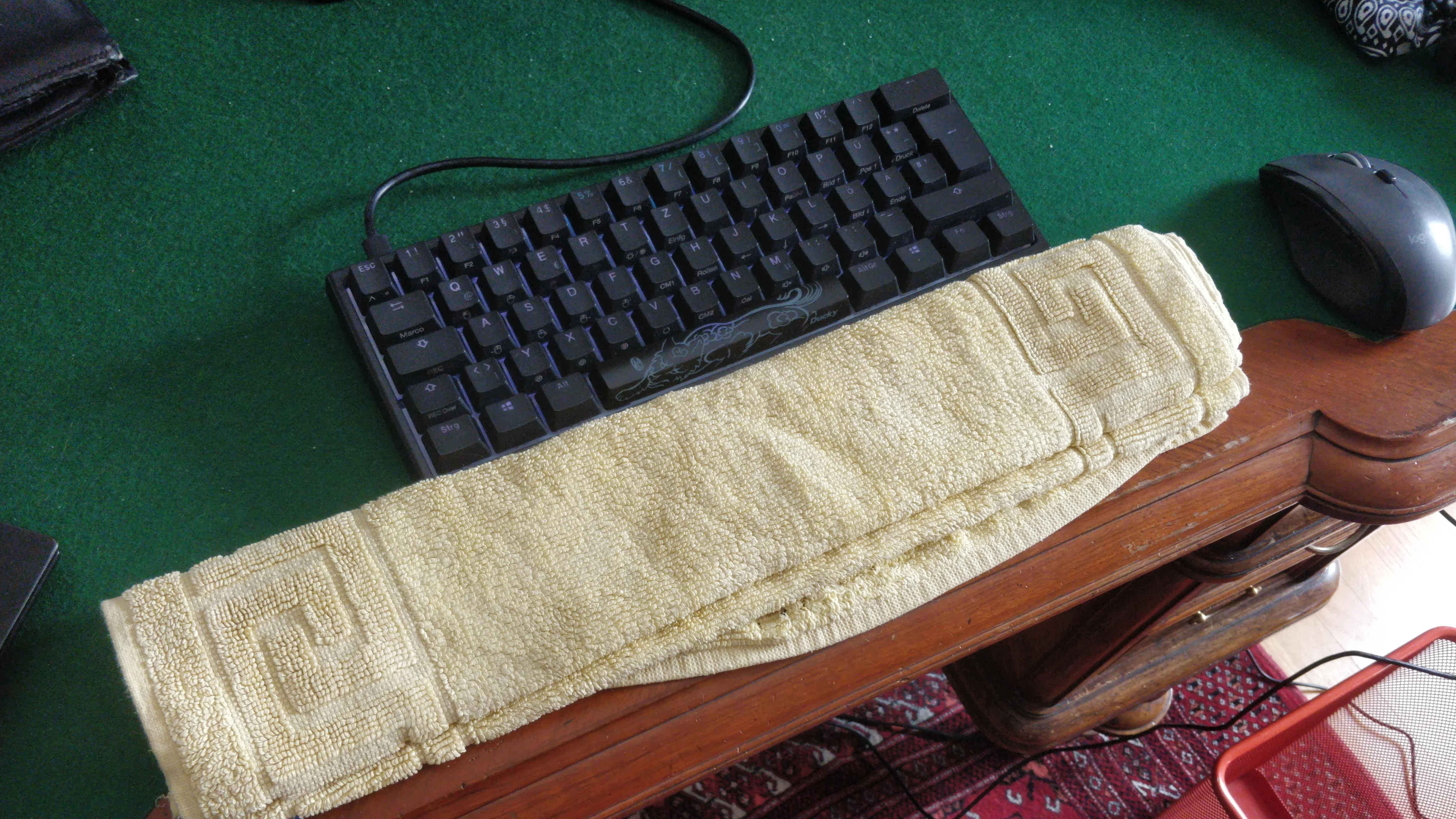
Quick safety setup: clear the floor (especially rugs you might slip on), wear shoes or grippy socks, and use a stable surface for incline push-ups (no wobbly chairs). If your wrists get cranky, use push-up handles or place a folded towel under your hands.
Warm-up (4 minutes)
Move continuously, easy pace.
- 30 seconds: marching in place with big arm swings
- 30 seconds: hip hinges (hands on thighs, push hips back)
- 30 seconds: bodyweight squats, slow and controlled
- 30 seconds: shoulder circles and arm hugs
- 30 seconds: step-back lunges (alternating), shallow range
- 30 seconds: incline plank hold (top of a push-up) on a couch or countertop
- 30 seconds: quick steps in place (light and fast)
- 30 seconds: deep breaths, shake out arms and legs
Main workout: 5 rounds (16 minutes)
Work 40 seconds, rest 20 seconds for each move. Complete all 4 moves, then repeat for a total of 5 rounds.
- Squat to reach (strength + mobility). Sit back into a squat, stand tall, reach overhead.
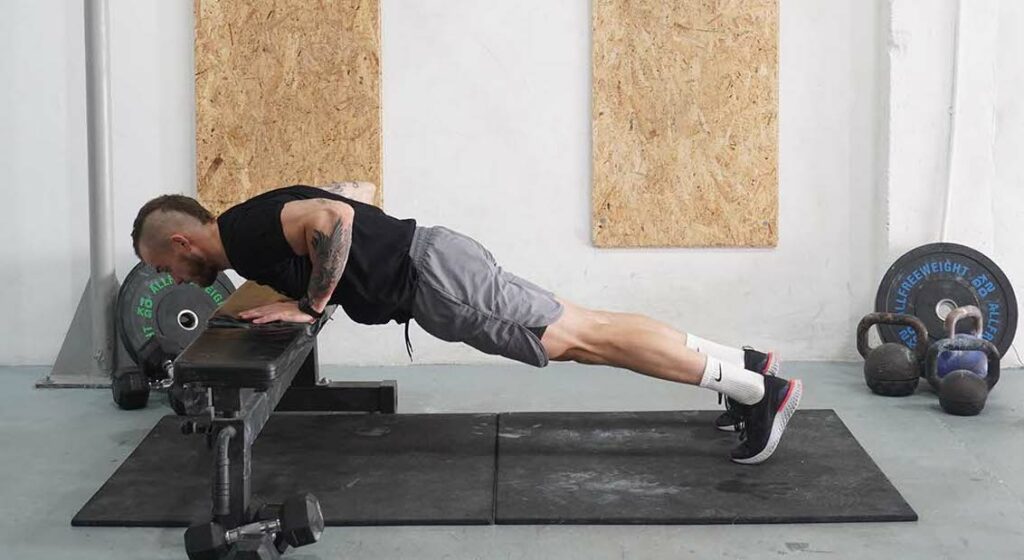
- Incline push-ups (upper-body strength). Hands on a couch, sturdy chair, or countertop. Keep a straight line from head to heels.
- Reverse lunges (lower-body strength). Step back softly, keep your front foot planted, stand tall through the front heel.
- Mountain climbers (cardio burst). Hands under shoulders, drive knees forward quickly while keeping hips steady.
Goal: finish each 40-second window feeling like you could do another 10 seconds if you had to. That is the sweet spot for consistency.
Make it easier
If you are new or returning after a long break, keep the spirit of the workout but lower the impact.
- Squat to reach: squat to a chair, stand, then reach.
- Push-ups: higher incline (countertop) or hands on a wall.
- Reverse lunges: reduce depth, hold a wall for balance.
- Mountain climbers: slow them down, or do “step-in plank” by stepping one foot in at a time.
If your heart rate spikes too high, switch the format to 30 seconds work and 30 seconds rest for the same 16 minutes.
Make it harder
Once you can finish all 5 rounds with solid form, level up one dial.
- Option 1: Keep 40/20, add a 6th round (now about 19 to 20 minutes total).
- Option 2: Switch incline push-ups to floor push-ups for 20 seconds, then finish on the incline.
- Option 3: Make mountain climbers cross-body (knee toward opposite elbow) while keeping hips steady.
- Option 4: Reduce rest to 15 seconds (40/15) and keep 5 rounds.
Form cues
Metcon is only “perfect” if you can repeat it next week. These quick cues keep your joints happy and your results steady.
Squat to reach
- Feet planted, knees track in line with toes.
- Chest stays proud, spine tall.
- Stand fully at the top before reaching.
Incline push-ups
- Hands slightly wider than shoulders.
- Elbows about 30 to 45 degrees from your body, not flared straight out.
- Keep ribs down so your lower back does not sag.
Reverse lunges
- Step back like you are placing your foot on railroad tracks, not a tightrope.
- Front heel stays heavy on the floor.
- Control the descent, do not slam the back knee.
Mountain climbers
- Shoulders stacked over wrists.
- Hips stay level, do not pike up.
- Move fast with your legs, steady with your torso.
How often to do it
For many beginners, 2 to 3 metcon sessions per week is a solid starting point. It gives you enough stimulus to improve without leaving you constantly sore. If you are not recovering well (poor sleep, lingering soreness, cranky joints), scale back.
A simple weekly plan
- Monday: Metcon workout
- Wednesday: Easy walk or gentle mobility
- Friday: Metcon workout
- Weekend: Optional third session or a longer walk
If you love strength training, use metcon as your cardio + conditioning days and keep separate strength-only days lighter and technique-focused.
What to track
You do not need a fancy watch to see progress. Pick two of these and keep it simple:
- Quality reps: how many good push-ups you can hold with clean form during each 40-second window
- Consistency: how many weeks in a row you completed 2 sessions
- Recovery: how fast your breathing settles in the 20-second rest
- Energy: how you feel 1 hour after the workout (not just during it)
Progress often looks like “same workout, less panic breathing.” That counts.
Common mistakes
1) Going all-out in round 1
Fix: Treat round 1 like a practice round. Aim for your “forever pace,” then nudge up slightly in rounds 3 to 5.
2) Choosing advanced moves too soon
Fix: Keep the movements basic and make the workout harder with time, not complexity.
3) Skipping the warm-up
Fix: Set a 4-minute timer and do the warm-up listed above. Your knees, shoulders, and motivation will thank you.
4) Turning strength moves into cardio
Fix: Slow down your squats and lunges just enough to feel control, even when your heart rate is up.
FAQ
Is metcon better than running for fat loss?
Fat loss comes down to consistency, total activity, nutrition, sleep, and stress. Metcon can be a great tool because it trains strength endurance and cardio in one session, which helps busy people stay consistent. If you enjoy running, keep running. The best plan is the one you will repeat.
Can beginners do metcon workouts?
Yes, if the workout is scaled. Use incline push-ups, step-based cardio options, and longer rest. Your goal is repeatable effort, not exhaustion.
How long should an at-home metcon be?
Many beginners do great with 12 to 20 minutes of main work, plus a short warm-up and a couple minutes to cool down.
Should I do strength before cardio or mix them?
If your main goal is strength progression on heavier lifts, you typically do strength first. For a gym-free home plan using bodyweight, mixing them in a metcon format is an efficient way to build both without needing long sessions.
Cool-down (2 minutes)
Finish with slow breathing and gentle stretching.
- 30 seconds: slow walk around the room, inhale through nose and exhale slowly
- 30 seconds: quad stretch (hold a wall for balance)
- 30 seconds: chest opener (hands behind back, lift gently)
- 30 seconds: forward fold with soft knees
If you want the simplest next step, repeat this metcon twice per week for 3 weeks before changing anything.
If you want a simple progression, keep the exercises the same and gradually tighten the intervals over three weeks: Week 1: 30/30, Week 2: 35/25, Week 3: 40/20. Consistency beats intensity, every time.