This quick, beginner-friendly warm-up uses easy mobility and dynamic moves to help you feel looser and more ready to train at home in about 5 minutes, with s...
Home Pulse Fit
•
home workouts and fitness
Warm-Up and Cool-Down Routines for Home HIIT
Reduce injury risk and recover faster with simple dynamic warm-ups and static cool-down stretches built for sweaty, at-home HIIT sessions in small spaces.

Marcus Thorne
Marcus Thorne is an NASM-certified personal trainer and the creator behind Home Pulse Fit. After successfully transforming his own health using only bodyweight routines in his small apartment, he left his demanding corporate career to help others do the same. Today, he is dedicated to making fitness accessible, sustainable, and entirely gym-free for busy beginners.
Published
October 18, 2026
Updated
October 18, 2026
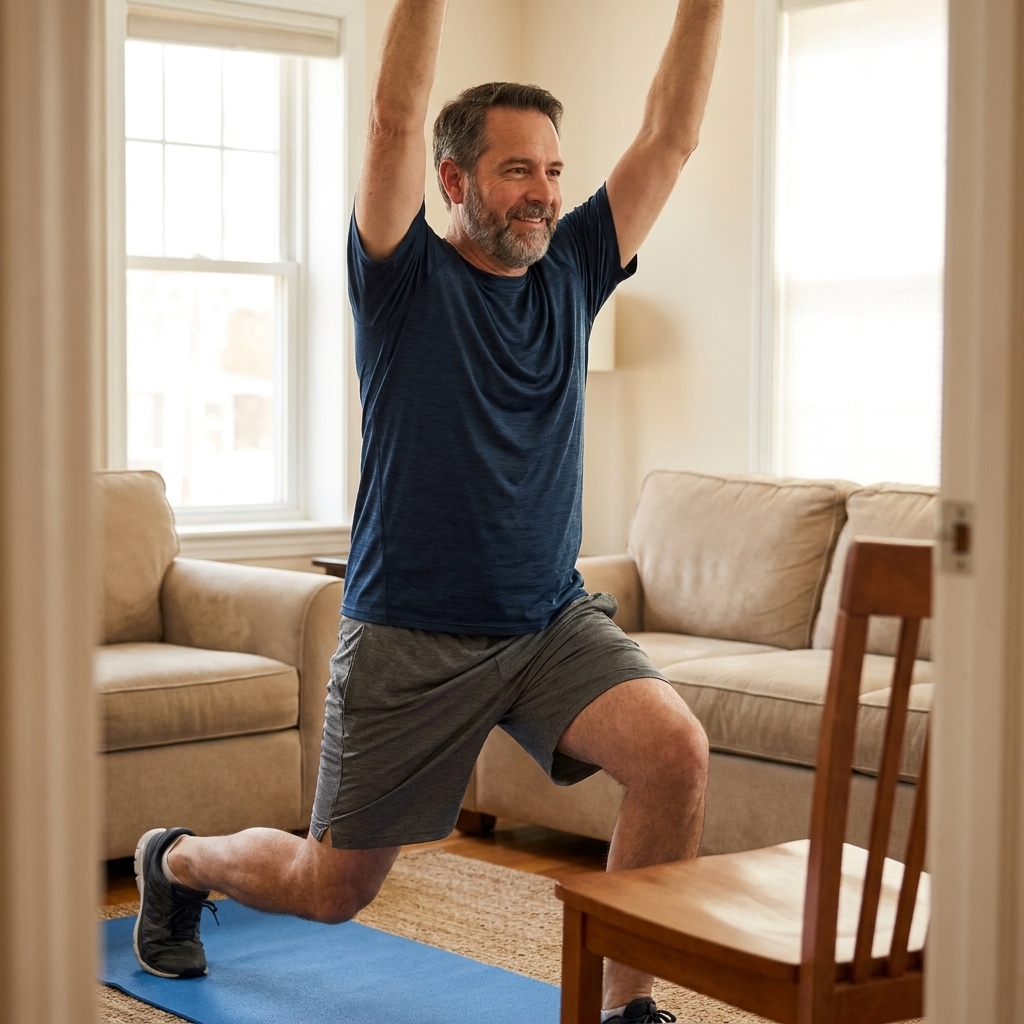
If you have ever jumped straight into burpees with “I will warm up as I go” energy, you are not alone. I did that for years, especially when I was trying to squeeze workouts into a cramped apartment between meetings. It usually worked until it did not: tight calves, cranky knees, and that stiff, wiped-out feeling that made me dread the next session.
The good news is you do not need a long, complicated routine. You need the right few minutes, in the right order, to tell your joints and muscles, “We are about to move fast.” Then after the workout, you need a short downshift so your body can actually absorb the work you did.
Quick safety note: If you are brand new to exercise, returning after time off, pregnant or postpartum, managing a heart or blood pressure condition, or dealing with a recent injury, get the all-clear and start with low-impact intervals . During any warm-up or workout, stop if you feel sharp pain, chest pain, unusual shortness of breath, or dizziness.
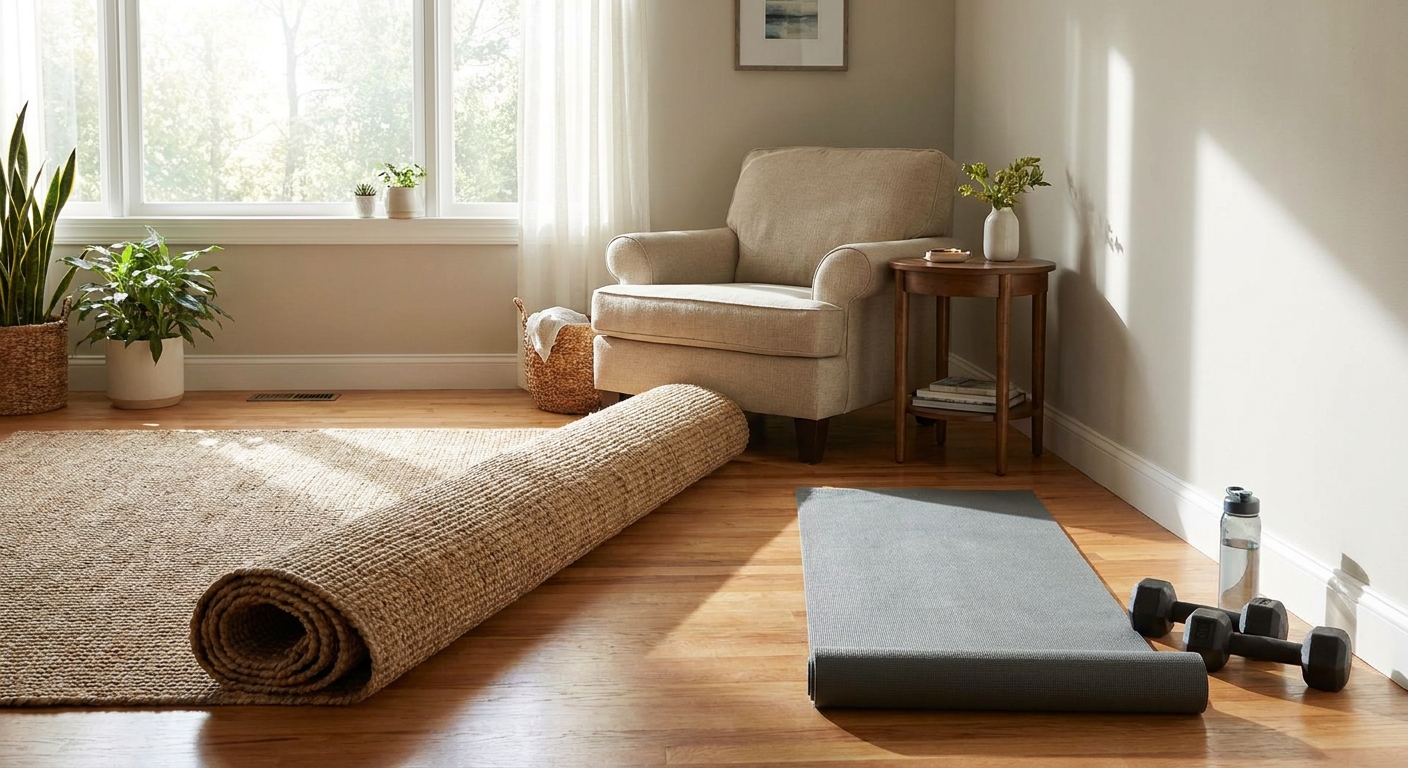
Home setup check: Clear a small area (about yoga-mat size), move rugs that slide, and wear shoes if you are doing any jumping. A chair, couch, or countertop is perfect for balance and incline moves.
Why warm-ups and cool-downs matter
Warm-ups: readiness and performance
HIIT asks you to accelerate, decelerate, jump, hinge, rotate, and change direction quickly. A warm-up helps you feel better and move better by:
- Raising core temperature so muscles contract and relax more smoothly.
- Increasing range of motion so knees, hips, ankles, shoulders, and spine are ready for bigger moves.
- Waking up the right muscles so you do not “borrow” motion from your lower back or knees.
- Rehearsing patterns like squats, hinges, lunges, and plank positions before speed gets involved.
A warm-up does not guarantee you will not get hurt, but it can reduce injury risk and improve how prepared you feel when you start moving fast.
Cool-downs: the recovery bridge
A cool-down will not magically erase soreness, but it can help you transition out of high-stress breathing and may reduce that tight, stiff feeling later. It is also your moment to restore comfortable range of motion in the areas that tend to feel locked up after HIIT: calves, hip flexors, glutes, quads, and chest.
The 6 minute dynamic warm-up
This is my go-to warm-up for home HIIT . It needs about the space of a yoga mat. Move continuously, keep it smooth, and breathe through your nose when you can.
Intensity target: you should feel warmer and looser, not tired. Think 4 to 6 out of 10 effort.
Minute 1: Easy march to fast feet
- Start with a tall march, swinging arms naturally.
- Gradually turn it into quicker “fast feet” in place.
- Add gentle arm circles in the last 15 seconds.
Minute 2: Ankles and calves
- Ankle rocks: shift weight forward and back over one foot, heel down, 8 to 10 each side.
- Calf pumps: rise up and lower down slowly, 10 to 12 reps.
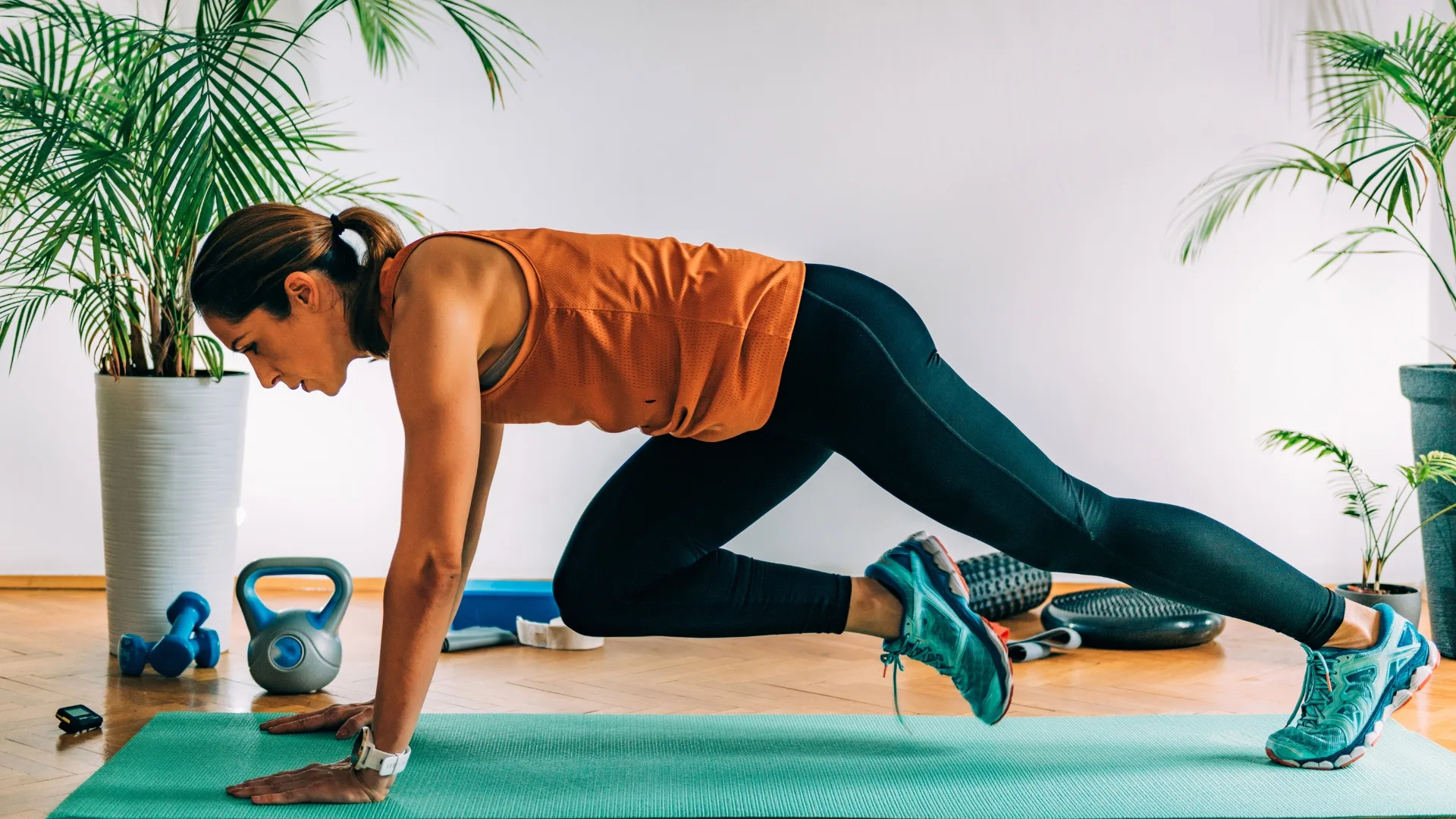
Why it matters: tired calves and stiff ankles are a common reason landings get sloppy during jumps, high knees, or mountain climbers.
Minute 3: Hips
- Hip circles: hands on hips, slow circles both directions, 5 each way.
- Standing knee hugs: pull one knee up, pause one second, switch, 6 to 8 per side.
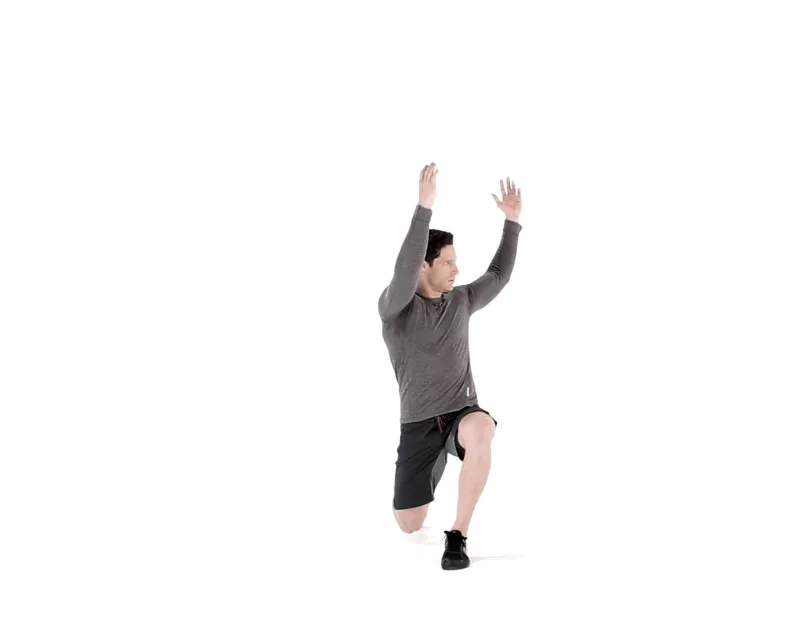
Minute 4: Lunge and reach
- Step back into a reverse lunge .
- Reach both arms overhead as you lower.
- Stand and switch sides, 6 reps per side.
Coaching cues: keep your front foot heavy through heel and big toe, and let your front knee track over your midfoot. If your balance is off, lightly touch a wall or chair.
Minute 5: Hinge and squat pattern
- Good mornings: hands on hips, hinge back with a long spine, stand tall, 8 reps.
- Bodyweight squats : sit hips back, knees track over toes, stand and squeeze glutes, 8 reps.
Tip: This is practice, not pace. Make every rep feel clean before you add speed in the workout.
Minute 6: Plank prep
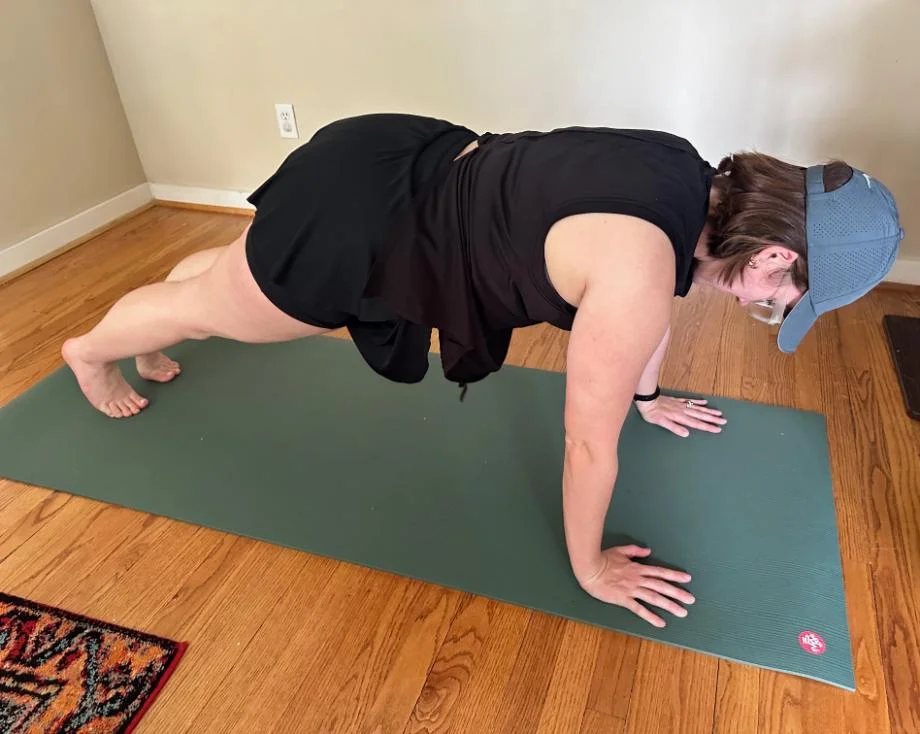
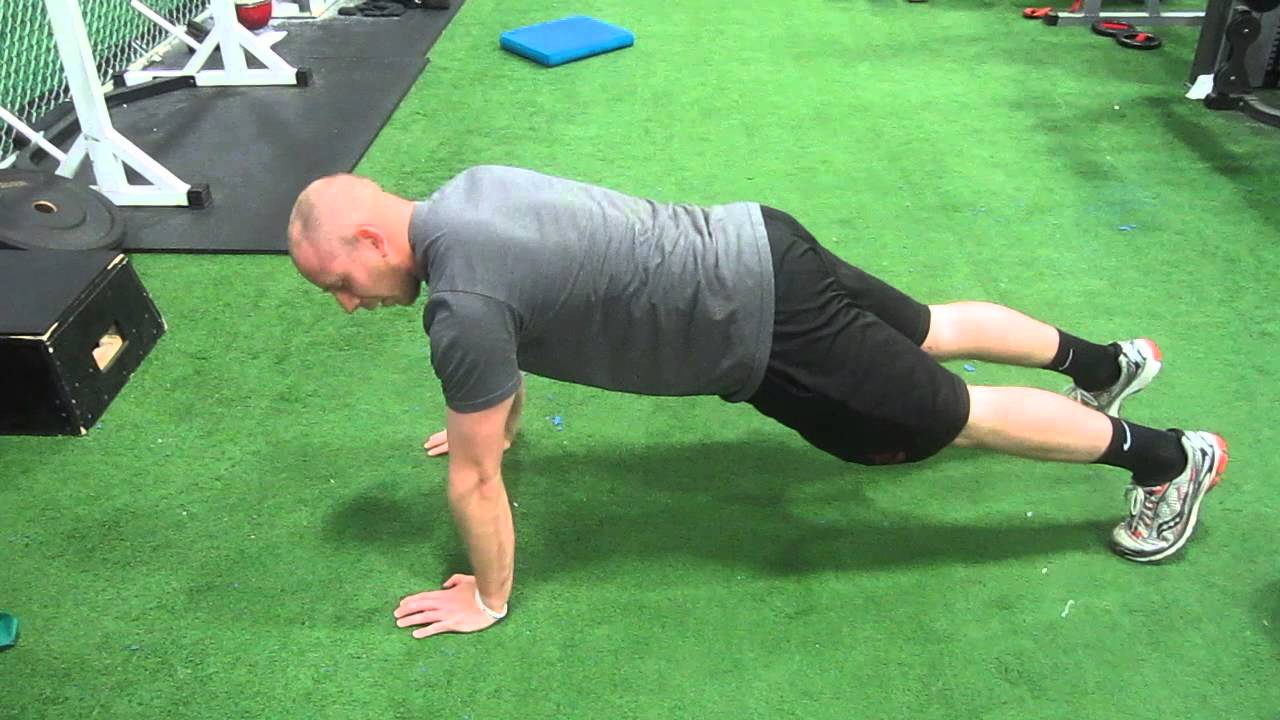
- Incline plank hold: hands on a couch or countertop, shoulders over wrists, 20 seconds.
- Incline plank walkout: step hands out to plank and back in, 4 to 5 reps.
Why it matters: if your HIIT includes mountain climbers, burpees, push-ups, or planks, warming up your shoulders and core first makes everything feel more stable .
The 4 minute HIIT primer
After the general warm-up above, add one of these quick primers. This is where your warm-up gets smart and specific.
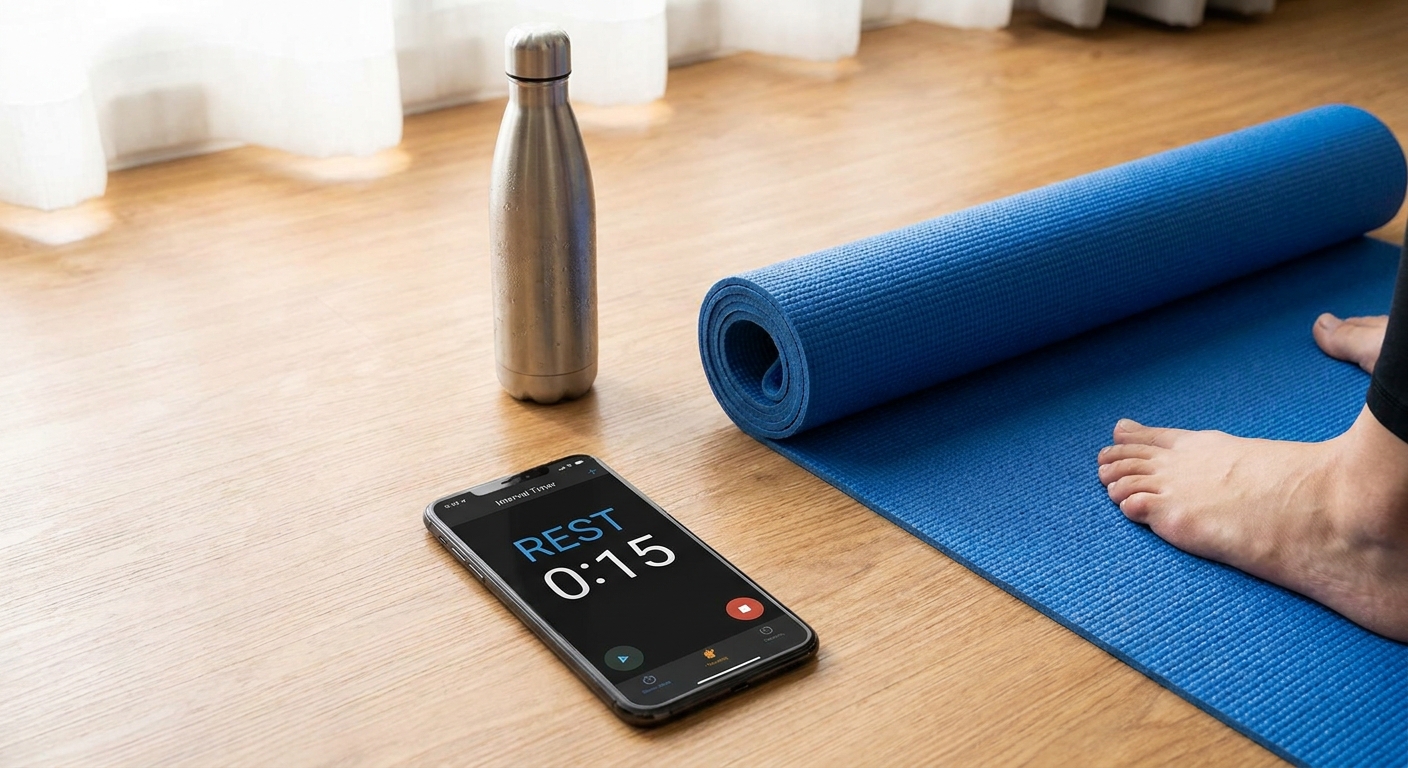
Pacing: move continuously. If you need a breather, take 10 to 15 seconds between rounds. The goal is “ready,” not “wrecked.”
Option A: Jumping primer (4 minutes)
Set a timer for 4 minutes and alternate:
- Pogo hops (tiny ankle hops, soft knees): 20 seconds
- Step jacks (no jump): 20 seconds
That is 40 seconds per round. Repeat 6 rounds total (4 minutes).
Form cues: keep the hops low, land quietly, and stay stacked (ribs over hips) instead of letting your chest flare up.
Why it helps: you practice soft landings and springy ankles before you go full speed.
Option B: No-jump strength primer (about 4 minutes)
Do 2 rounds with minimal rest:
- Bodyweight good mornings (hands on hips, hinge): 8 reps
- Squat to stand: fold forward, grab shins or ankles if you can, straighten legs to feel hamstrings, then drop hips into a squat and lift your chest: 6 reps
- Incline plank walkouts (hands to a couch or countertop): 5 reps
Great for: workouts built around squats, hinges, mountain climbers, bear crawls, and plank variations.
Option C: Core and shoulders primer (about 4 minutes)
Do 2 rounds with control and little to no rest:
- Scapular push-ups (from knees or toes, elbows straight): 8 to 10 reps
- Dead bug (slow and controlled): 6 reps per side
- Plank shoulder taps (wide feet if needed): 10 taps total
Form cue: in every plank move, push the floor away and keep hips level. If your low back starts to sag, go back to an incline.
Common warm-up mistakes
- Mistake: stretching hard before HIIT. Fix: save longer holds for the cool-down. Before HIIT, use moving stretches and pattern practice.
- Mistake: doing your warm-up too fast. Fix: slow it down. The goal is control first, speed second.
- Mistake: skipping ankles and hips. Fix: give them a minute each. Your knees will thank you.
- Mistake: the warm-up feels like a workout. Fix: back off the intensity. You should finish feeling prepared, not smoked.
The 6 to 10 minute cool-down
Think of this as two phases: (1) bring your breathing down, then (2) stretch what you just used.
Phase 1: 2 minutes to downshift
- Slow walk around your room: 60 to 90 seconds
- Hands-on-ribs breathing: 4 to 6 slow breaths, inhale through nose, long exhale through mouth
Coaching cue: aim to make your exhale longer than your inhale. It helps you transition out of “go mode.”
Phase 2: 4 to 8 minutes of static stretching
Hold each stretch 20 to 45 seconds. Breathe slowly. Mild discomfort is fine. Sharp pain is not.
1) Calf stretch (wall or couch)
- Back heel down, toes forward, knee straight.
- Switch to a slight bend in the back knee to hit a different part of the calf.
2) Quad stretch (standing, using a chair for balance)
- Grab ankle, knees close together.
- Gently tuck pelvis under so you feel the front of the thigh, not your lower back.
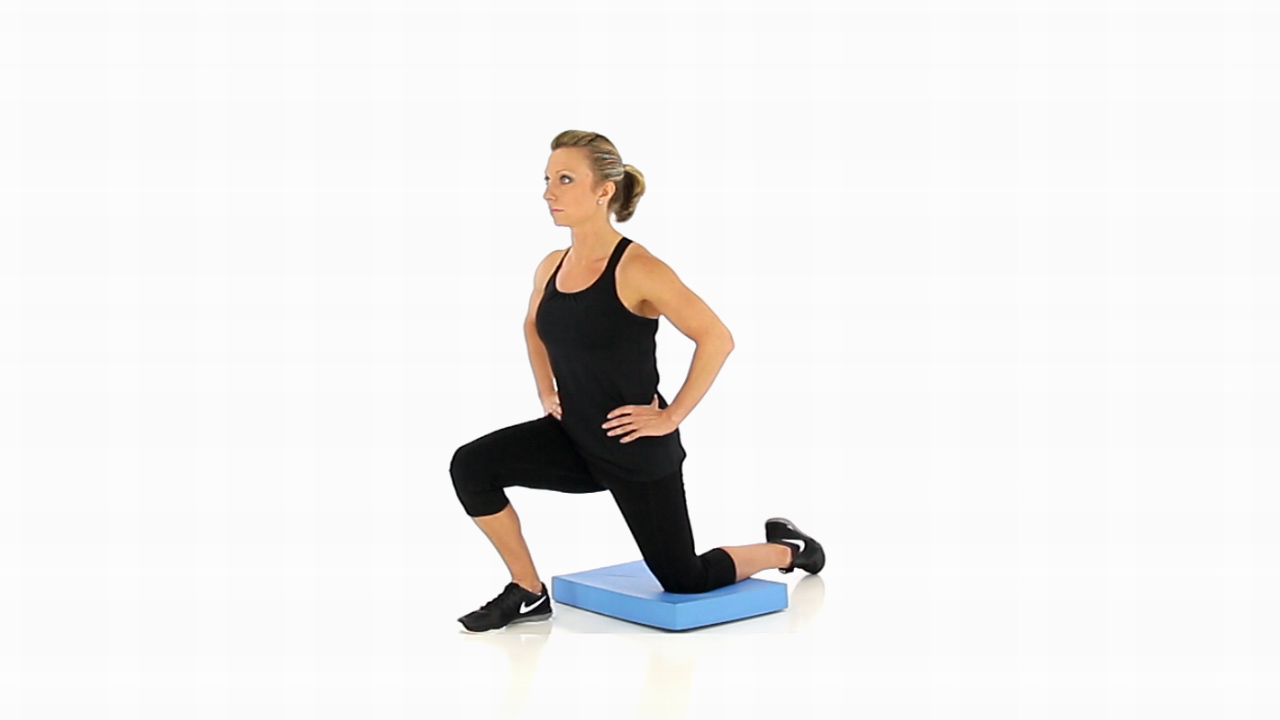
3) Hip flexor stretch (half-kneeling)
- Knee down on a folded towel if needed.
- Squeeze the glute of the kneeling leg.
- Small shift forward until you feel the front of the hip open.
Cool-down add-ons by HIIT type
Lots of squats and lunges
- Figure-4 glute stretch (on back or seated): 30 to 45 seconds each side
- Hamstring stretch (on back with a towel around foot): 30 seconds each side
- Quad stretch: 30 seconds each side
Lots of planks, push-ups, or climbers
- Child’s pose: 45 seconds
- Chest doorway stretch (gentle): 30 seconds each side
- Upper back stretch (hug yourself and round slightly): 30 seconds
Lots of jumping or running in place
- Calf stretch: 45 seconds each side
- Ankle mobility (gentle knee-to-wall): 8 reps each side
- Hip flexor stretch: 45 seconds each side
Note: if you are prone to shin splints, be extra consistent with calf work and ankle mobility. Consider swapping some jumping for step options until your lower legs adapt . If you have persistent or worsening shin pain, get it checked out by a clinician or physical therapist.
Two routines to copy
Routine 1: 10 minute warm-up
- 6 minute dynamic warm-up (Minute 1 to 6)
- 4 minute workout-specific primer (Option A, B, or C)
Routine 2: 8 minute cool-down
- 2 minutes walk and breathing
- 1 minute calf stretch (30 seconds each side)
- 1 minute quad stretch (30 seconds each side)
- 2 minutes hip flexor stretch (60 seconds total, split sides)
- 2 minutes glute stretch (60 seconds total, split sides)
When your body feels off
If your knees feel sensitive
- Warm up longer: add 1 extra minute of hip prep and lunge-and-reach at a slow tempo.
- In the workout, reduce jumping and use step jacks, squat-to-chair, and incline mountain climbers.
- Cool down with calves, quads, and gentle hamstrings.
If your lower back tightens up
- Add core primer Option C (dead bug and scapular work).
- During warm-up hinges, keep ribs stacked over pelvis. Do not “reach” with your lower back.
- Cool down with child’s pose, figure-4 glute stretch, and a gentle hip flexor stretch.
If your shoulders feel stiff
- Add arm circles plus scapular push-ups in the warm-up.
- Use incline push-ups instead of floor push-ups until you feel warm.
- Stretch chest and lats after.
FAQ
Should I do static stretching before HIIT?
For most people, save longer static holds for after. Before HIIT, use dynamic movements that take your joints through range while staying controlled. If you love a quick stretch before, keep it light and brief, then move right into dynamic drills.
How long should I warm up for a 20 minute HIIT workout?
Aim for 6 to 10 minutes. If you are new, coming back from a break, or doing lots of jumping, take the full 10. You will almost always get that time back by moving better during the workout .
What if I only have 3 minutes?
Do this: 60 seconds march to fast feet, 60 seconds reverse lunge and reach alternating, 60 seconds squat to stand. It is not perfect, but it is a solid minimum viable warm-up.
Do cool-downs reduce soreness?
They can reduce that tight, stiff feeling and help you recover your normal breathing faster. Soreness is more influenced by overall training load, sleep, protein, hydration, and gradual progression. Still, a consistent cool-down is one of the easiest habits for feeling better tomorrow.
Make it easier on future you
My rule is simple: never start HIIT cold and never end it abruptly. Give yourself a few minutes to ramp up, then a few minutes to ramp down. That tiny investment is what turns “I survived it” workouts into “I can do this three times a week” consistency .
If you want a quick win, start with the 6 minute warm-up in this article for your next session. After your last interval, walk it out, breathe, and hit calves, hip flexors, and glutes. Your body will notice, and you will feel it the next morning.