A quick, no-equipment full-body routine that fits any schedule. Includes warm-up, circuit, cool-down, and beginner-friendly modifications.
Home Pulse Fit
•
home workouts and fitness
15-Minute HIIT Bodyweight Routines for Busy Professionals
Short on time? These 15-minute HIIT bodyweight workouts build cardio and boost conditioning with zero equipment, right at home. Includes 3 done-for-you routines and easy modifications.

Marcus Thorne
Marcus Thorne is an NASM-certified personal trainer and the creator behind Home Pulse Fit. After successfully transforming his own health using only bodyweight routines in his small apartment, he left his demanding corporate career to help others do the same. Today, he is dedicated to making fitness accessible, sustainable, and entirely gym-free for busy beginners.
Published
October 18, 2026
Updated
October 18, 2026
If your calendar is packed, your energy is low, and the idea of commuting to a gym sounds impossible, I get it. I used to think “real” workouts had to be long, complicated, and done in the right place. The turning point for me was realizing that a focused 15 minutes at home, done consistently, beats an occasional heroic two-hour session.
Below are three 15-minute HIIT bodyweight routines built for busy professionals. No equipment. Minimal space. Clear intervals. And plenty of options if you are a true beginner or you are coming back after a long break.
What “15 minutes” means here: each routine is designed to be about 15 minutes total, including a 90-second warm-up and a short cool-down. A few versions land closer to 15 to 16 minutes depending on transitions, and I call that out so you can trim if you need to.
How these HIIT workouts work
HIIT stands for high-intensity interval training. In plain English: you work hard for a short burst, then you recover, and you repeat.
- You will alternate work and rest. Most routines below use 30 to 45 seconds of work and 15 to 30 seconds of rest.
- Intensity is personal. “High-intensity” means high for you. Your version might be stepping jacks instead of jumping jacks, or incline pushups instead of full pushups.
- Progress comes from repeatability. The goal is finishing strong, not collapsing on minute four.
Quick setup
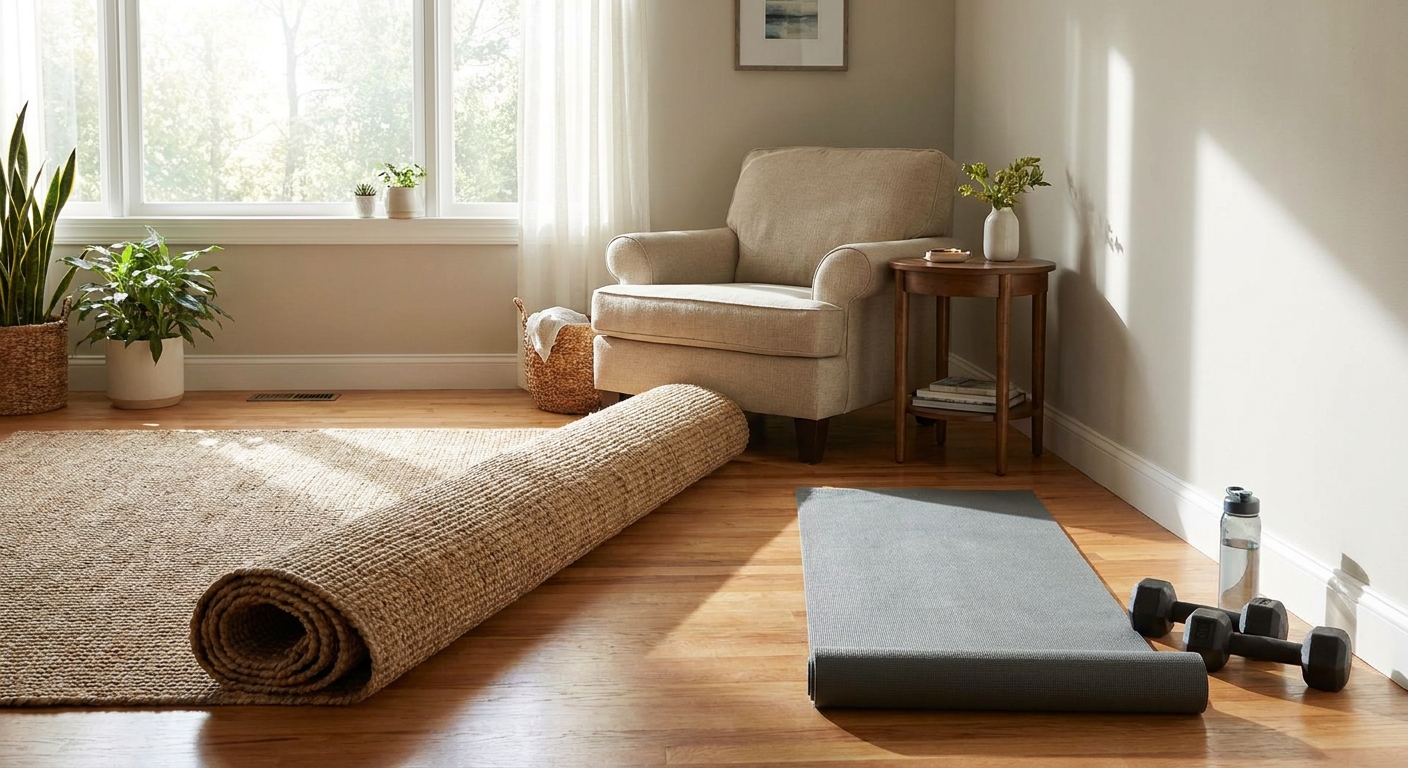
- Space: enough room to take two big steps in any direction.
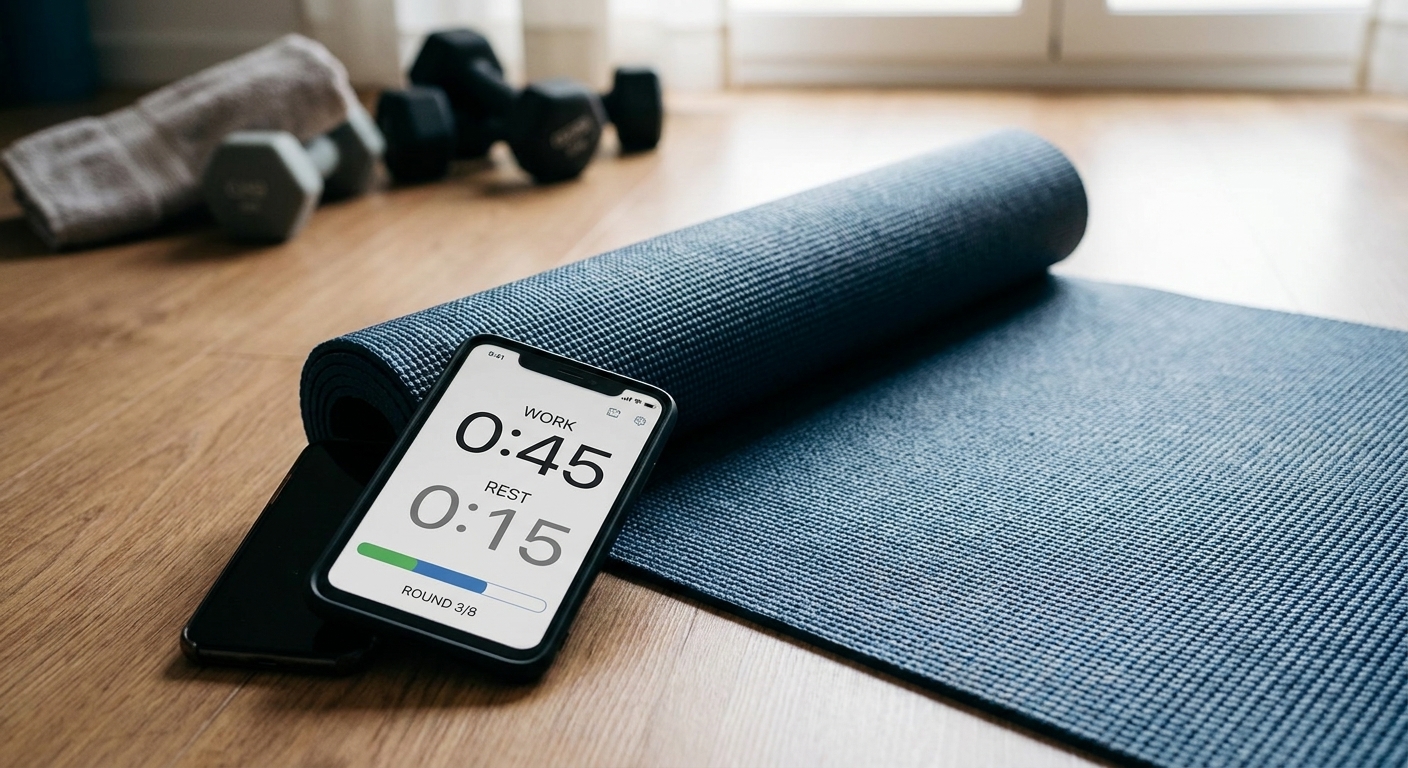
- Timer: your phone timer is perfect.
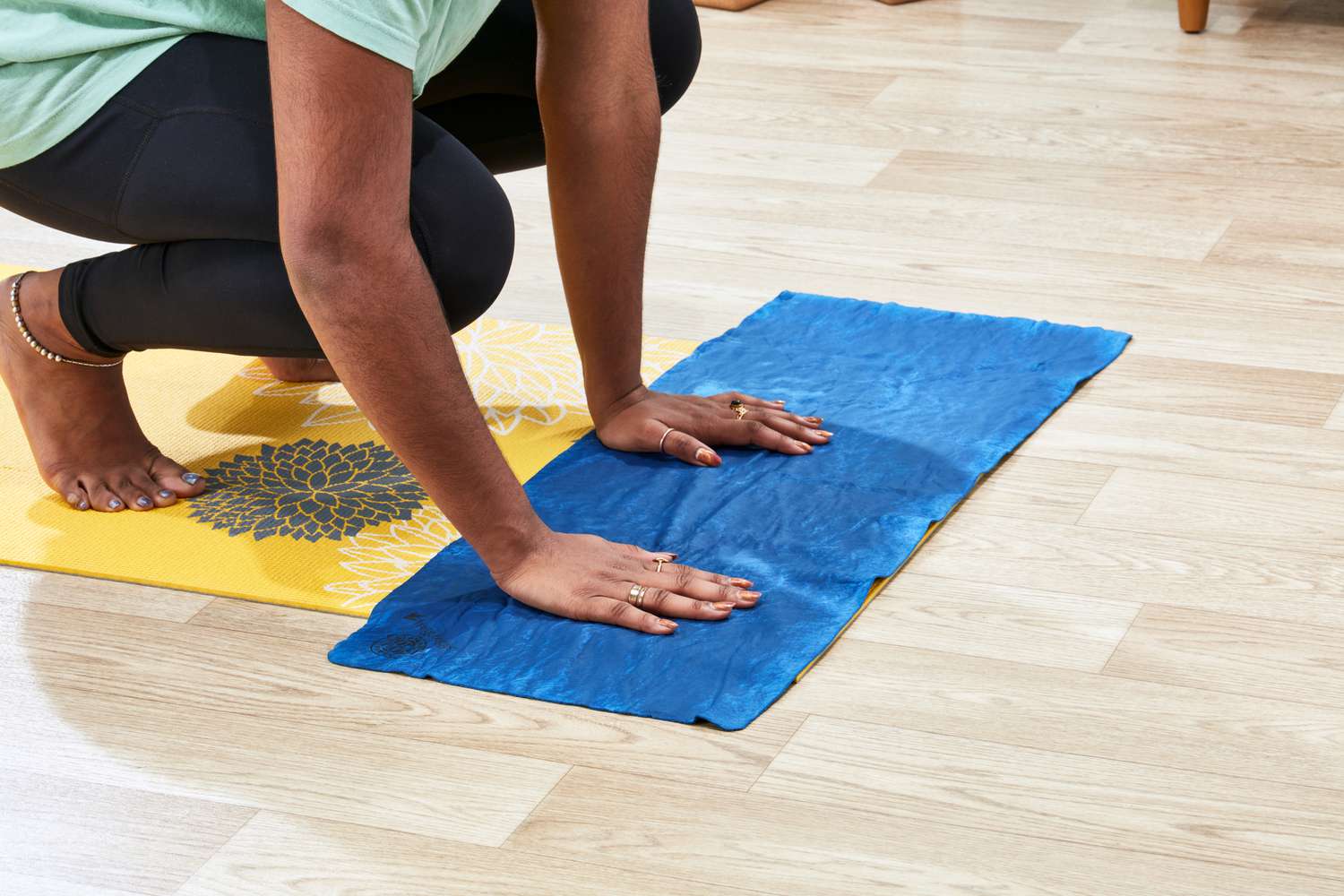
- Optional: a yoga mat or folded towel for knees and hands.
- Shoes: optional. If you go barefoot, be mindful with pivots and fast feet.
Warm-up (90 seconds)
Do this before every routine. It helps your joints feel better and your heart rate ramp up smoothly.
- 30 seconds easy marching in place
- 20 seconds arm circles and shoulder rolls
- 20 seconds hip hinges (hands on hips, push hips back, stand tall)
- 20 seconds alternating step-back lunges (gentle range)
If you have knee, back, or shoulder pain that spikes with any move, swap it immediately for the modification listed. Pain is data, not something to “push through.”
If you are pregnant or postpartum, especially if you are newly postpartum, have complications, or have not been cleared for exercise yet, check with a clinician before starting HIIT. Also check with a clinician if you have a heart condition, uncontrolled blood pressure, dizziness or fainting episodes, or you are returning after surgery or a significant injury.
Routine 1: Meeting Reset
Format: 40 seconds work, 20 seconds rest. Complete 2 rounds of the 6 moves (12 total intervals = 12 minutes).
Total time: 12 minutes of intervals + 90-second warm-up + 90-second cool-down = about 15 minutes.
- Step jacks (step side to side, arms overhead)
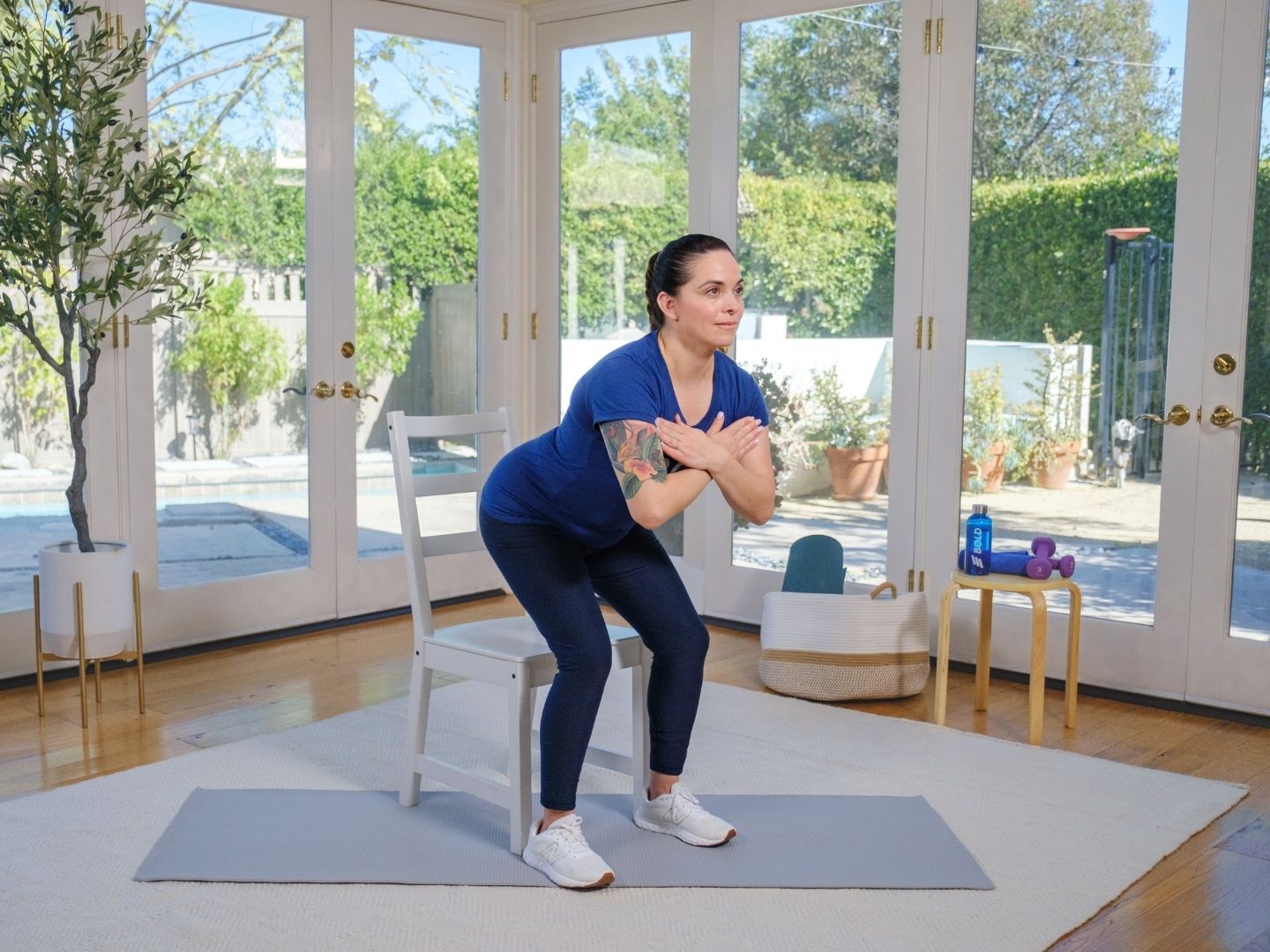
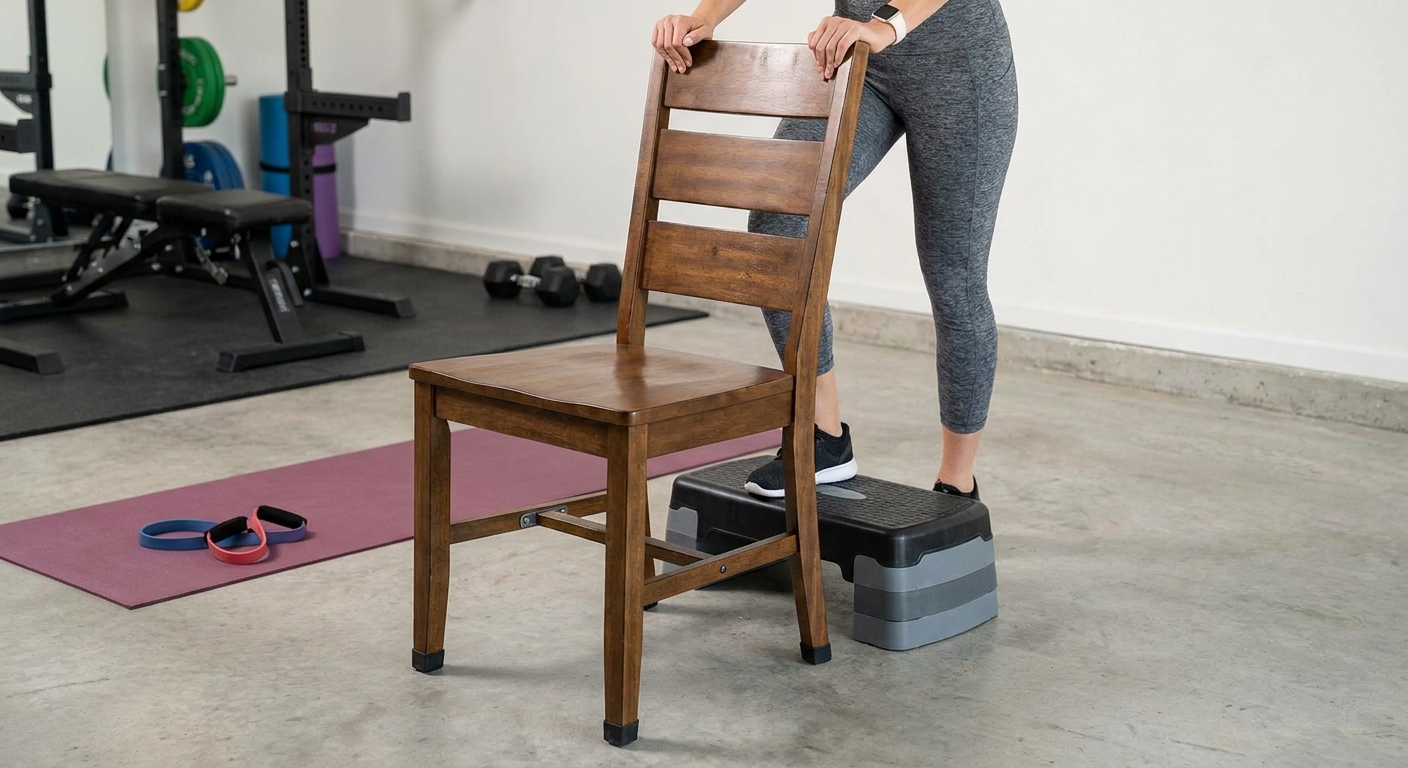
- Squat to chair tap (touch a couch or chair lightly, stand back up)
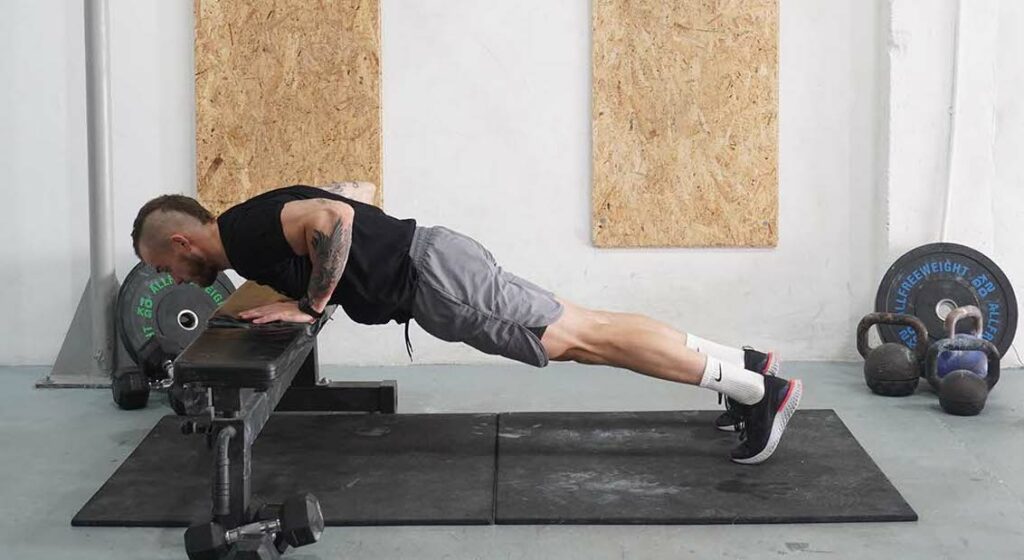
- Incline pushups (hands on couch or sturdy table edge)
- Fast feet march (quick steps, stay tall, quiet feet)
- Reverse lunges (step back, keep front foot planted)
- Dead bug (slow core control, lower back stays heavy)
Make it easier: shorten the work interval to 30 seconds and keep the rest at 30 seconds.
Make it harder: turn step jacks into jumping jacks and fast feet march into high knees.
Routine 2: Lunch Sweat
Format: 30 seconds work, 15 seconds rest. Do 2 rounds of the 7 moves (14 intervals = 10.5 minutes), then cool down.
Total time: 10.5 minutes of intervals + 90-second warm-up + 2-minute cool-down = about 14 minutes, plus a little transition time if you need it.
- High knees (or power march)
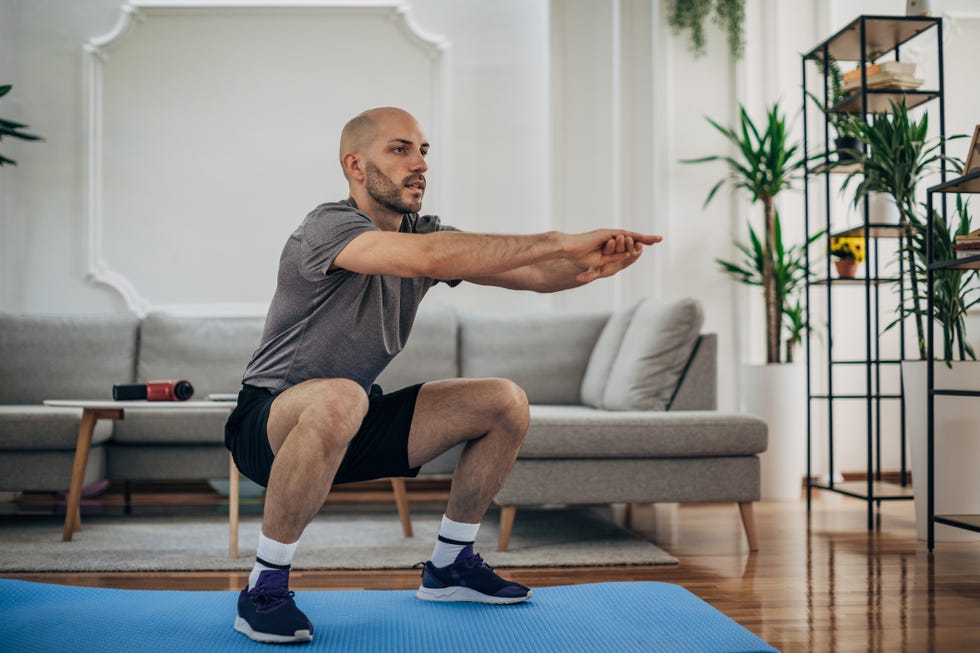
- Bodyweight squats (sit back, drive through mid-foot)
- Plank shoulder taps (wider feet = more stable)
- Alternating lunges (reverse or forward, your choice)
- Mountain climbers (slow, controlled reps, count each knee drive)
- Pushups (full, knees-down, or incline)
- Skaters (side-to-side step if low impact)
Optional finisher (only if you still feel good): After your cool-down, add 60 to 90 seconds of easy core work like dead bug or a forearm plank at a conversational effort.
Coach tip: Your work pace should feel like a 7 to 9 out of 10 effort by the final 10 seconds, but you should still be able to keep good form. If your form breaks, you did not fail. You just found your current edge. Dial it back and keep going.
Routine 3: After-Work Melt
Format: 40 seconds work, 20 seconds rest. Do 2 rounds of the 5-move circuit (10 total intervals = 10 minutes).
Total time: 10 minutes of intervals + 90-second warm-up + 2-minute cool-down = about 13.5 minutes. If you want to bring it closer to 15, add a third round of the first 2 moves (2 more intervals = 2 minutes).
- Shadow boxing (light bounce, punch straight out, rotate gently)
- Squat pulse to stand (two small pulses, then stand tall)
- Plank hold (knees down is fine)
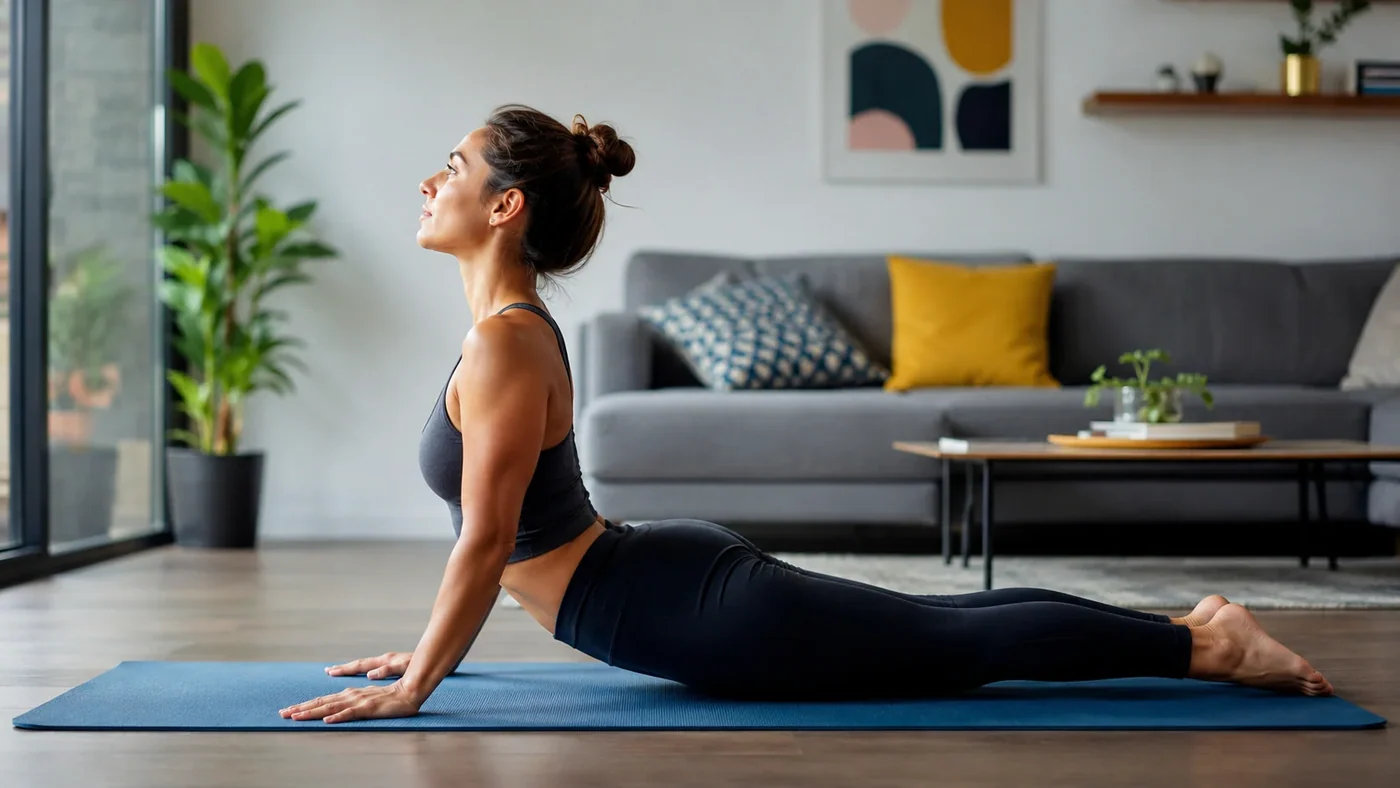
- Bear hold (hands under shoulders, knees under hips, knees hover; or hold tabletop)
- Glute bridge (squeeze at the top, ribs down)
Stress-friendly rule: If your day was mentally brutal, keep intensity moderate and focus on smooth breathing. You still win because you showed up.
Form cues
- Squats: think “sit back” first, then stand tall. Knees track roughly over toes.
- Lunges: keep your front foot flat and your torso tall. Shorten your stride if your knee feels cranky.
- Pushups and planks: hands under shoulders, squeeze glutes, keep a long line from head to heels.
- Core moves: go slower than you think you should. Control builds strength.
Weekly plan
If you are busy, the plan has to be frictionless. Here are two options that work well for beginners and busy professionals.
Option A: 3 days
- Monday: Routine 1
- Wednesday: Routine 2
- Friday: Routine 3
Option B: 4 days
- Day 1: Routine 2
- Day 2: Routine 1
- Day 3: Routine 3
- Day 4: Repeat your favorite
On off-days, a 10 to 20 minute walk is the perfect glue habit. It helps recovery and keeps your momentum without requiring willpower.
Scale intensity
HIIT should challenge you, not wreck you. Use these three dials:
- Dial 1: Impact (jumping to stepping, running in place to marching).
- Dial 2: Range of motion (half squat to full squat, incline pushup to floor pushup).
- Dial 3: Density (more rest, fewer rounds, or shorter work intervals).
Progression idea: keep the moves the same for 2 weeks and simply add one more round, or reduce rest by 5 seconds. Small upgrades add up fast.
Cool-down (90 to 120 seconds)
- 30 seconds slow breathing, hands on ribs
- 30 seconds quad stretch (switch sides halfway)
- 30 seconds chest opener (hands clasped behind back or doorway stretch)
- Optional: 30 seconds gentle forward fold or hamstring reach if you have time
FAQ
Will 15 minutes of HIIT help with fat loss?
It can support fat loss if you do it consistently and your overall weekly habits support it. These workouts are time-efficient for improving conditioning and burning calories, but fat loss still comes down to your long-term routine: workouts plus nutrition plus sleep. Think of these sessions as your reliable minimum effective dose on busy weeks.
How hard should HIIT feel?
You should feel challenged during the work intervals and noticeably relieved during rest. If you cannot recover at all between intervals, reduce impact, slow down, or increase rest.
Is HIIT okay for beginners?
Absolutely, with smart modifications. Start with the low-impact options, keep the intervals shorter, and prioritize form. The best beginner HIIT is the one you can repeat 2 to 4 times per week without getting injured.
What if I live downstairs and cannot jump?
No problem. Replace jumps with steps, and replace running in place with power marching or fast feet. You can still get a serious heart-rate spike without pounding the floor.
Do I need equipment to make HIIT effective?
No. Your bodyweight is plenty. When you are ready to level up, the easiest upgrades are a resistance band, a pair of adjustable dumbbells, or a weighted backpack. But you do not need any of them to start.
Your next 15 minutes
If you are not sure which routine to pick, do Routine 1 today. Get a win on the board. Tomorrow, you will be the kind of person who follows through, and that identity shift is where the real transformation starts.