Follow this day-by-day, gym-free bodyweight plan built for true beginners. Short sessions, clear reps, built-in rest days, and simple progressions for real r...
Home Pulse Fit
•
home workouts and fitness
4-Week Beginner Home Workout Plan for Weight Loss
A simple 4-week home workout plan for beginners using bodyweight cardio and strength to support steady fat loss, build consistency, and improve fitness, no gym required.

Marcus Thorne
Marcus Thorne is an NASM-certified personal trainer and the creator behind Home Pulse Fit. After successfully transforming his own health using only bodyweight routines in his small apartment, he left his demanding corporate career to help others do the same. Today, he is dedicated to making fitness accessible, sustainable, and entirely gym-free for busy beginners.
Published
October 18, 2026
Updated
October 18, 2026
If you are starting from zero, the best weight loss plan is the one you can actually repeat. When I was burned out from corporate life and gaining weight, I thought I needed long gym sessions to “fix it.” What finally worked was boring in the best way: short, consistent bodyweight workouts in my living room.
This 4-week beginner plan is built around that idea. You will alternate strength and cardio style sessions to burn calories now, build strength that supports your daily activity, and keep your joints happy while you learn good form.
Before you start
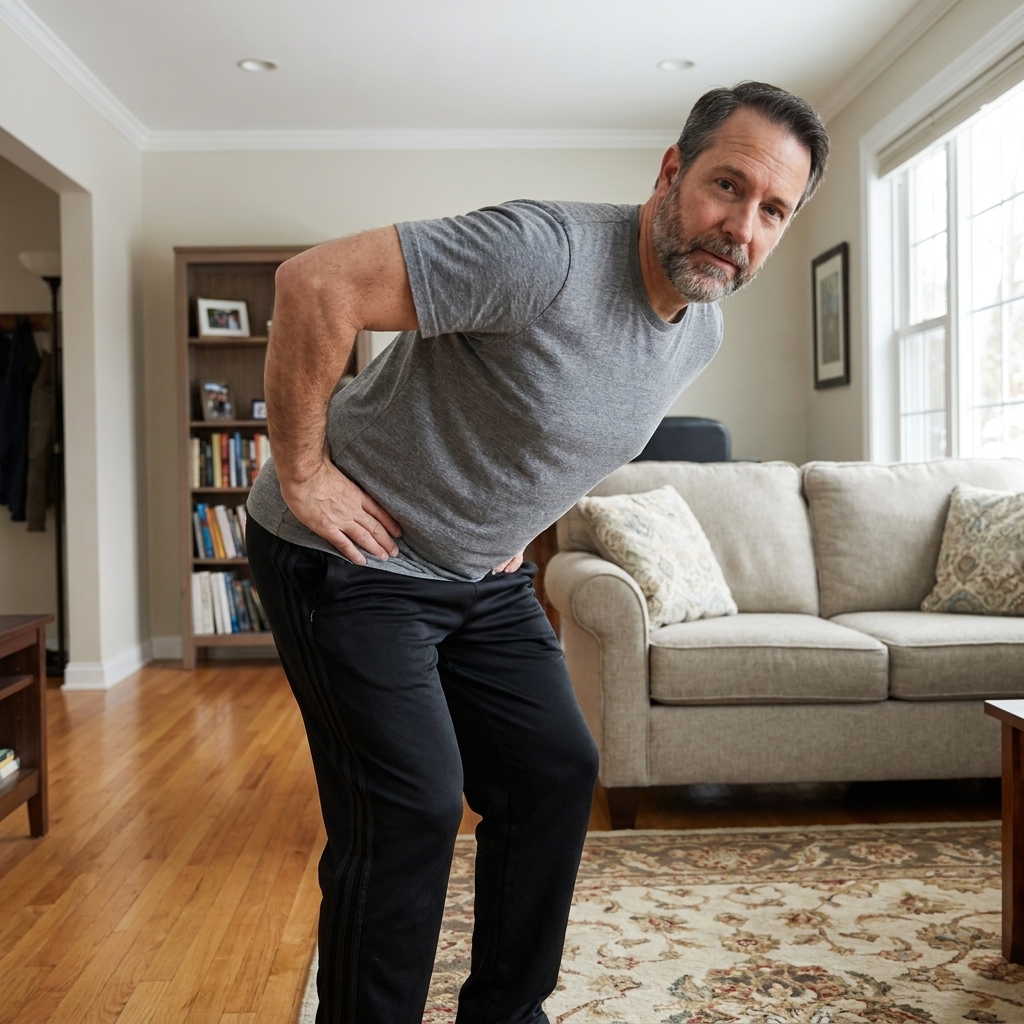
If you are pregnant, recently postpartum, returning after an injury, or managing a heart condition, uncontrolled blood pressure, dizziness, or pain that is not “normal muscle soreness,” check in with a clinician before you start. And if anything in this plan causes sharp or worsening joint pain, stop and modify.
What you need
- A small clear space about the size of a yoga mat
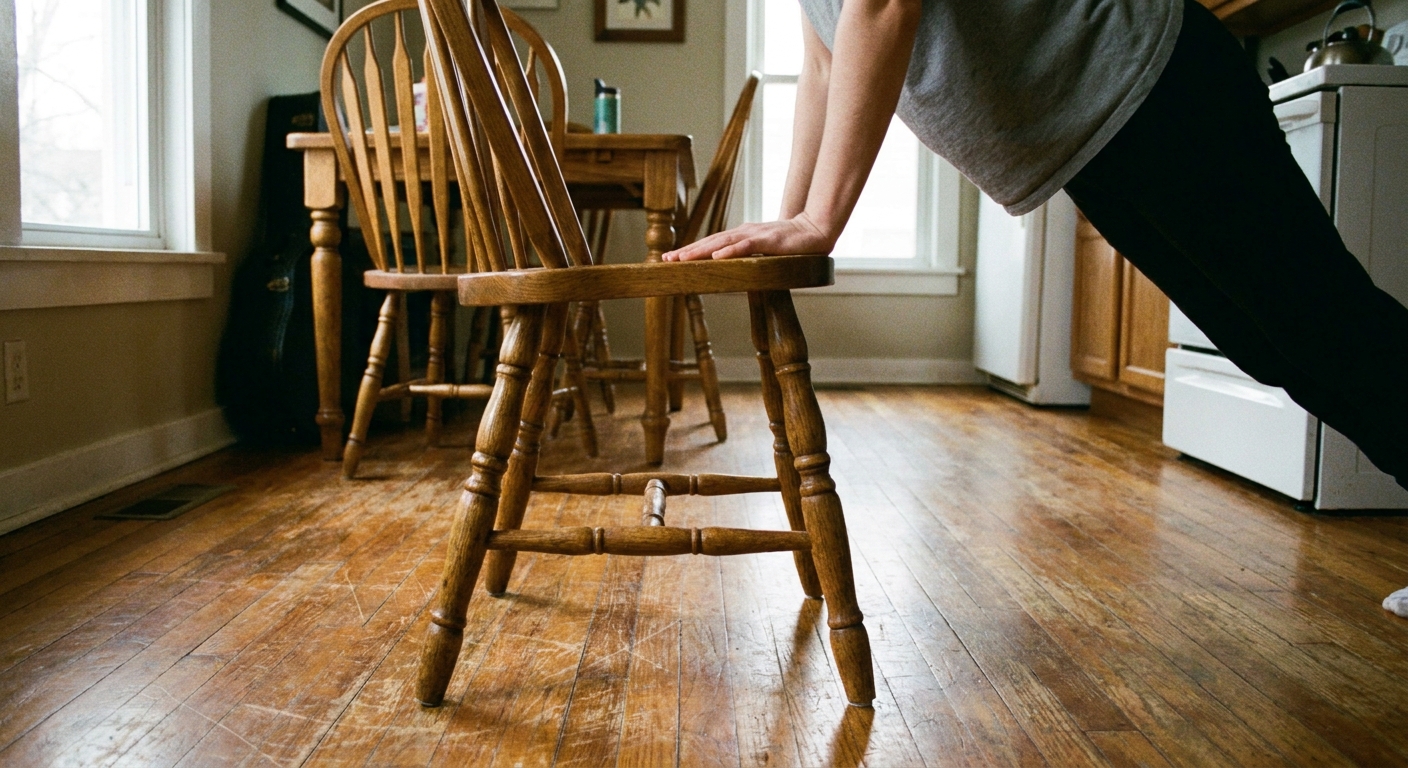
- A sturdy chair or couch edge for incline push-ups and balance support
- A towel (for floor comfort or sweaty hands)
- Optional: a light backpack you can load with books later for extra resistance
Quick safety check: place your chair against a wall so it cannot slide, and work on a non-slip surface.
Why this works for weight loss
- Strength days help you keep (and build) muscle while losing weight, which can modestly support daily calorie burn and usually makes it easier to stay active.
- Cardio and intervals raise your heart rate and increase total calorie burn.
- Progression is simple: a bit more time, a bit more reps, or slightly harder variations each week.
- Consistency-first structure keeps sessions short enough that you do not quit on a busy week.
Important reality check: fat loss comes from a calorie deficit. You do not need a perfect diet. You do need repeatable habits. Also, real life matters: medications, medical conditions, sleep, and stress can all affect appetite and energy. If you are doing the basics consistently and nothing is moving, it is worth talking with a professional.
Your weekly schedule
You will train 5 days per week with 2 rest days. Most sessions land around 20 to 35 minutes including warm-up and cool-down.
- Day 1: Strength A (full body)
- Day 2: Cardio 1 (low impact)
- Day 3: Strength B (full body)
- Day 4: Rest or gentle walk
- Day 5: Interval cardio (beginner friendly)
- Day 6: Strength C (full body)
- Day 7: Rest
If 5 days sounds like a lot, make it 3 days by doing Strength A, Cardio 1, Strength B. Then add days later.
How hard should this feel?
Use a simple effort scale from 1 to 10.
- Strength days: aim for about 6 to 8 out of 10. You should finish a set feeling like you could do 2 to 3 more good reps.
- Cardio 1: aim for 5 to 7 out of 10. You can speak in full sentences.
- Intervals: brisk parts around 7 to 8 out of 10, easy parts around 3 to 5 out of 10.
Warm-up (5 minutes)
Move gently and breathe. You should feel warmer, not wiped out.
- March in place: 60 seconds
- Arm circles (small to big): 30 seconds each direction
- Hip hinges (hands on hips, slight bend in knees): 10 reps
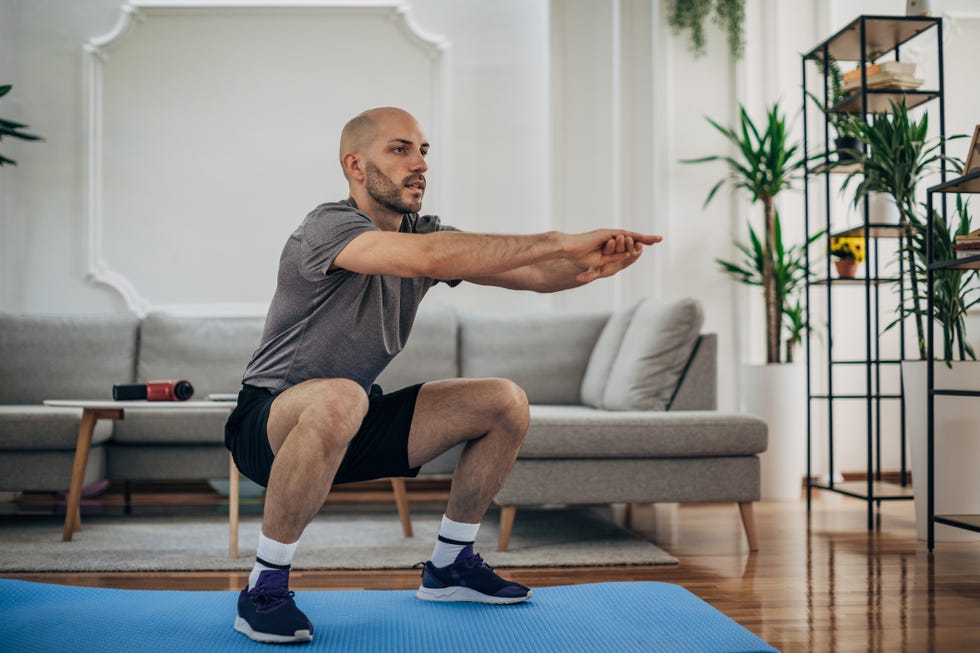
- Bodyweight squats to a comfortable depth: 10 reps
- Shoulder blade squeezes (stand tall, pinch shoulder blades): 10 reps
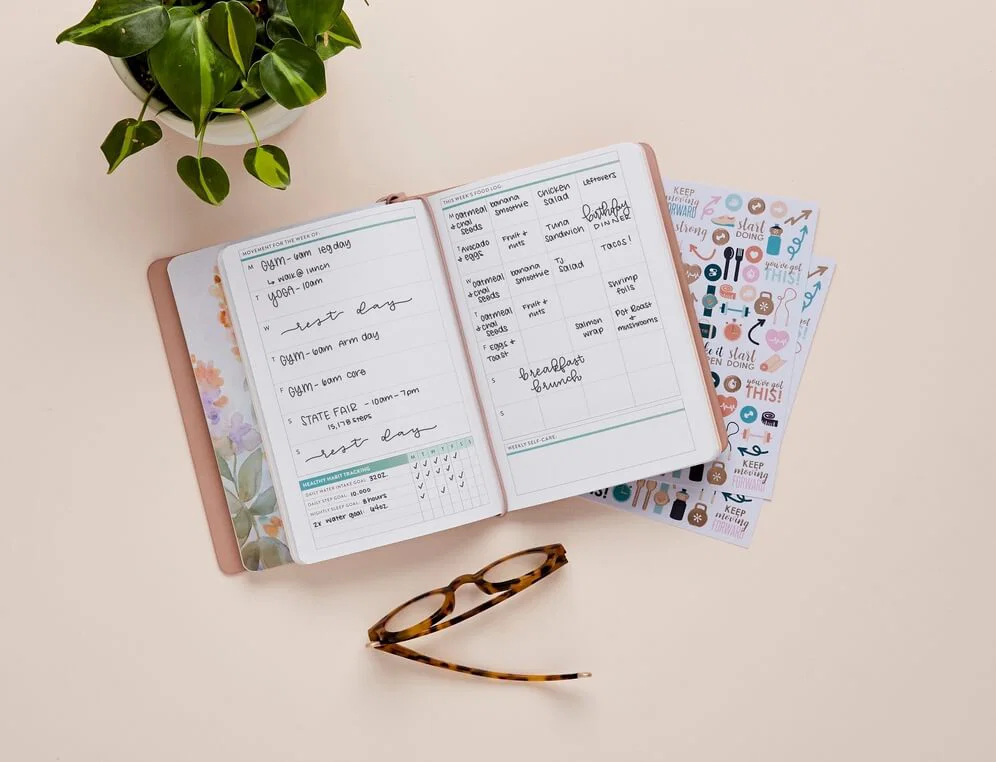
How to track progress
Pick two of these and track weekly:
- Waist measurement (same time of day)
- Progress photo (same lighting and outfit)
- How many incline push-ups you can do with good form
- How long you can hold a plank without holding your breath
- Average daily steps (if you have a phone or watch)
Scale weight is fine, but it can bounce around. I prefer combining the scale with waist measurement so you do not get mentally ambushed by water weight.
Workouts
These are the actual sessions you will repeat each week. The plan changes by adjusting sets, rest, and difficulty, not by throwing new complicated moves at you every week.
Strength A
Format: Circuit. Do one exercise after the other, then rest and repeat.
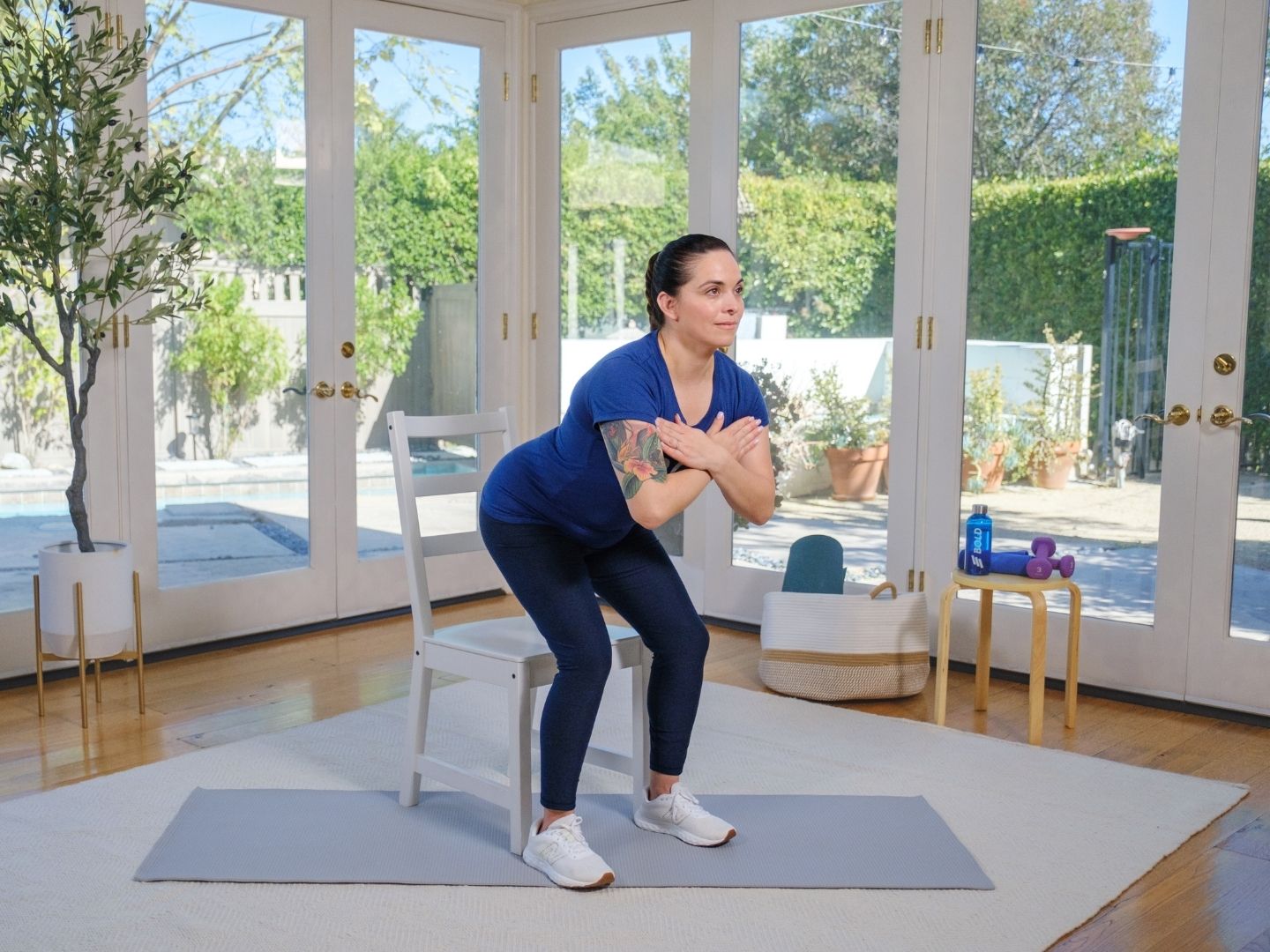
- Chair-assisted squat or box squat to chair: 8 to 12 reps
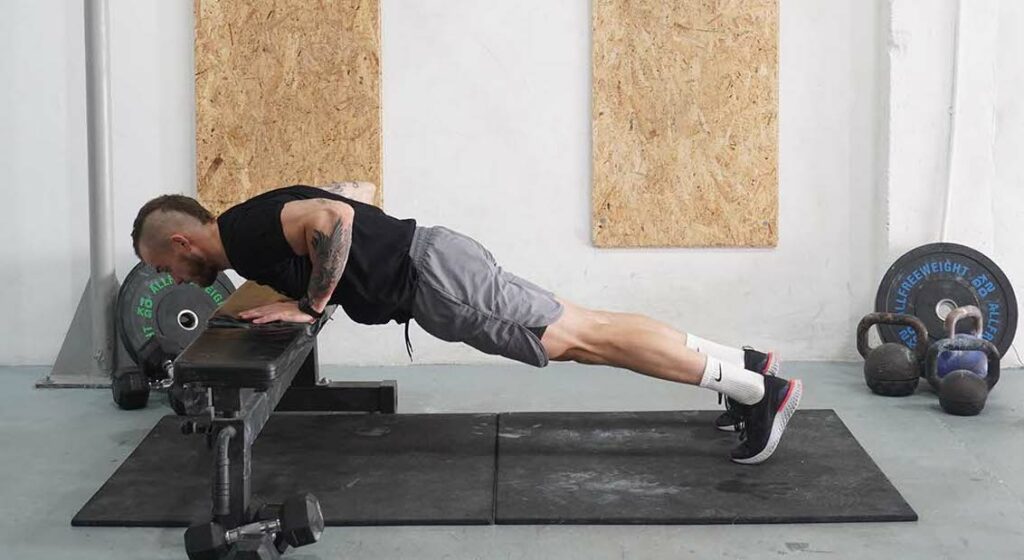
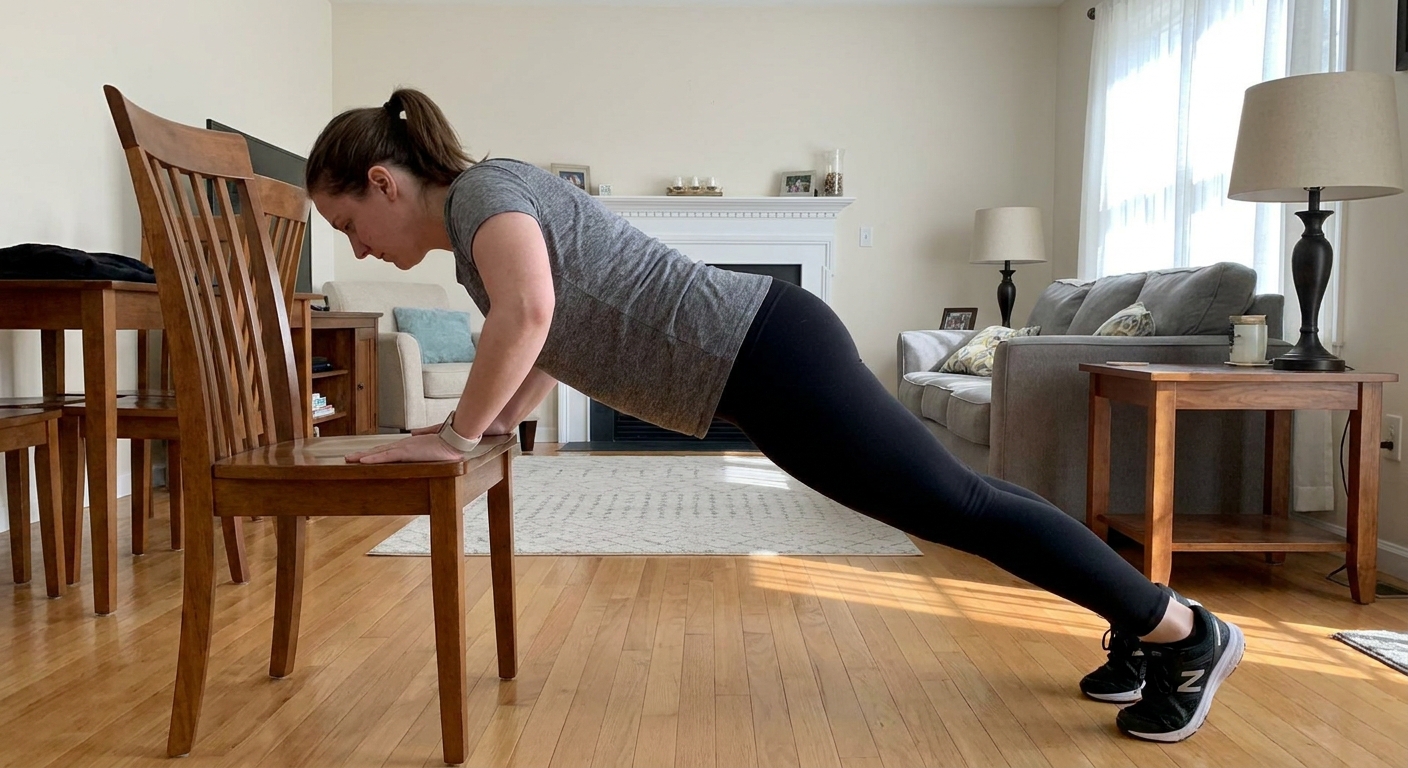
- Incline push-up (hands on chair or counter): 6 to 12 reps
- Glute bridge: 10 to 15 reps
- Dead bug (slow): 6 to 10 reps per side
Rest: 60 to 90 seconds between rounds.
Cardio 1
Format: 30 seconds work, 30 seconds easy march. Repeat for 12 to 18 minutes.
- March with arm swings
- Step touch side to side
- Low-impact jumping jack (step out, step in)
- High-knee march (not a run)
Keep it conversational. You should be able to say a sentence without gasping.
Strength B
Format: Straight sets.
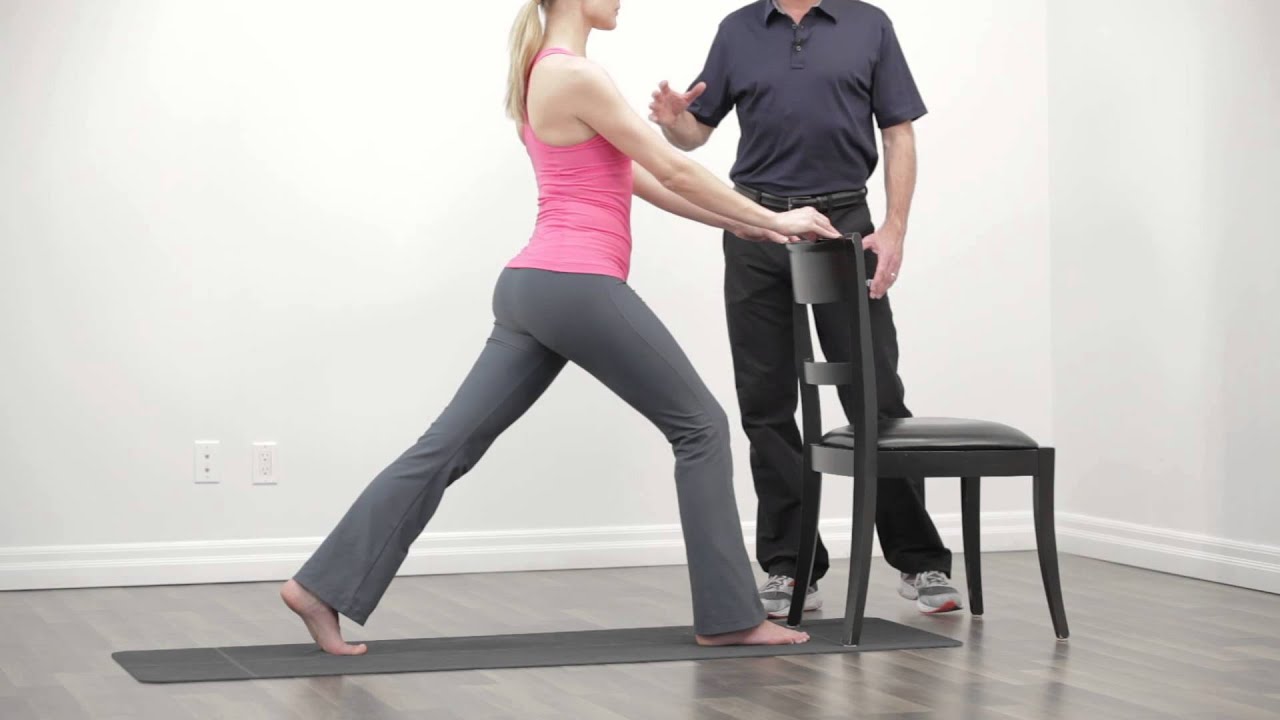
- Reverse lunge to a comfortable depth (hold chair for balance): 6 to 10 per side
- Hip hinge good morning (hands on hips): 10 to 15 reps
- Pike shoulder tap (or wall push-up): 6 to 12 per side
- Side plank (knees down is fine): 15 to 30 seconds per side
Interval cardio
Format: 20 seconds brisk, 40 seconds easy. Repeat for 10 to 16 minutes.
Pick one option for the whole session:
- Fast march in place
- Step-ups on a bottom stair (hold rail if needed)
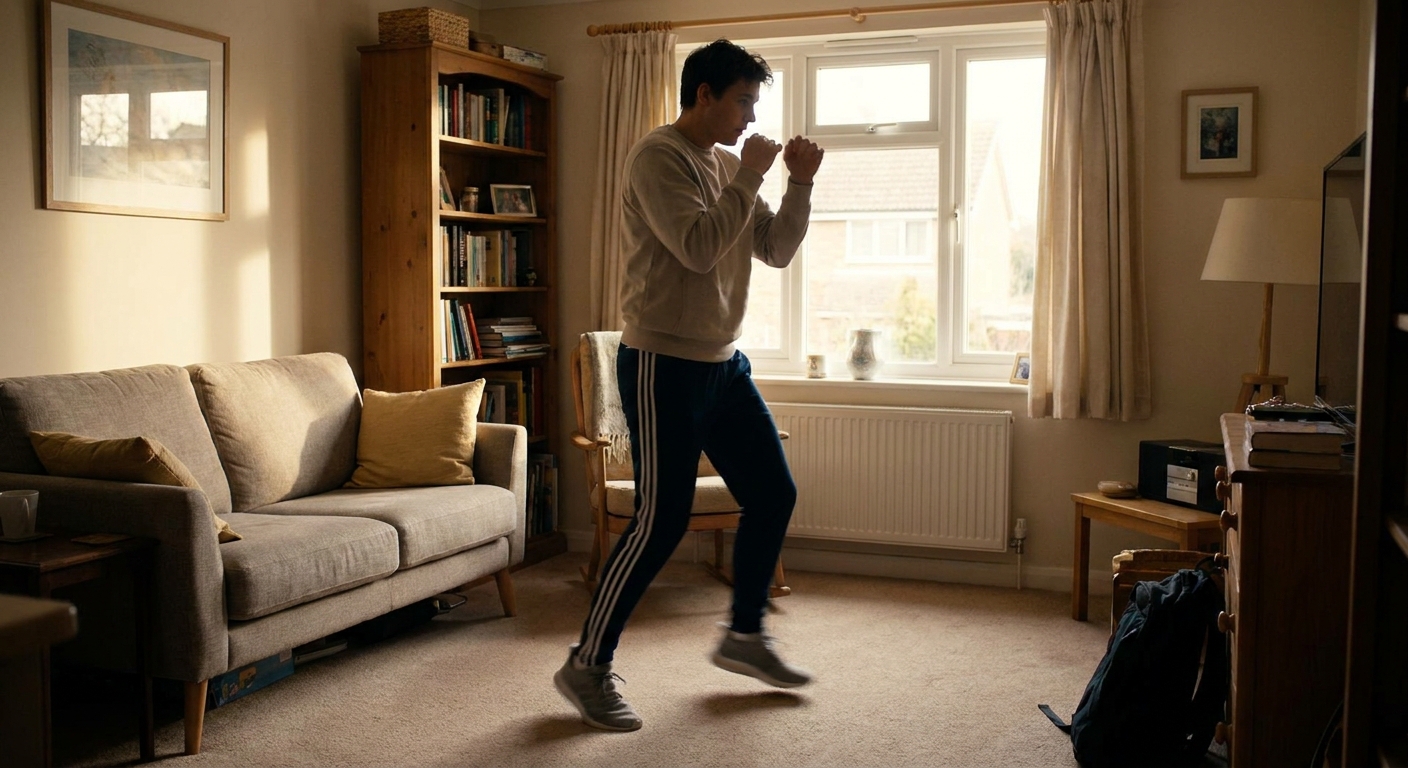
- Shadow boxing (light fists, quick feet)
“Brisk” means you are working, but you are still in control. The goal is repeatable effort, not suffering.
Strength C
Format: Circuit.
- Step-up on a low step or bottom stair (slow and controlled): 8 to 12 per side
- Close-grip incline push-up (hands slightly closer than usual): 6 to 12 reps
- Bird dog (pause at full extension): 6 to 10 per side
- Wall sit or squat hold: 20 to 45 seconds
If you really want triceps dips, treat them as optional and keep the range small. Many beginners feel dips in the shoulders, so the close-grip incline push-up is the default here.
Safety note: do not step onto an unsecured chair. Use a stable step platform or the bottom stair.

4-week progression
Below is how to progress without overthinking. If you ever feel pain (sharp, stabbing, or joint pain that worsens), stop and modify. Normal muscle burn and breathing hard are okay. Pain is not.
Week 1
- Strength A: 2 rounds
- Cardio 1: 12 minutes total
- Strength B: 2 sets each exercise
- Interval cardio: 10 minutes (20 seconds brisk, 40 seconds easy)
- Strength C: 2 rounds
Goal: finish each workout thinking, “I could do a little more.” That is exactly where beginners should live.
Week 2
- Strength A: 3 rounds (or keep 2 rounds and add 2 reps to each set)
- Cardio 1: 14 to 16 minutes total
- Strength B: 3 sets for lunges and hinges, 2 sets for the rest
- Interval cardio: 12 minutes
- Strength C: 3 rounds (or add time to holds)
Week 3
- Strength A: 3 rounds, shorten rest to 45 to 75 seconds
- Cardio 1: 16 to 18 minutes total
- Strength B: 3 sets each exercise
- Interval cardio: 14 minutes, switch to 25 seconds brisk, 35 seconds easy if it feels good
- Strength C: 3 rounds, add a loaded backpack for step-ups if ready
Form comes first. If adding intensity makes your form sloppy, dial it back and own the basics.
Week 4
- Strength A: 3 rounds, pick one move to “push” (1 to 2 extra reps per set)
- Cardio 1: 18 to 20 minutes total
- Strength B: 3 sets, slow the lowering phase to 3 seconds on lunges
- Interval cardio: 16 minutes (keep 20/40 or 25/35)
- Strength C: 3 rounds, increase wall sit time by 10 seconds
At the end of Week 4, retest one simple marker: incline push-ups, plank time, or how you feel climbing stairs. This is where motivation gets real because you can feel the difference.
Cool-down (3 to 5 minutes)
- Slow walk around the room: 60 seconds
- Quad stretch (hold chair for balance): 20 to 30 seconds per side
- Chest opener at doorway or with hands clasped behind back: 20 to 30 seconds
- Child’s pose or gentle breathing on your back: 60 seconds
Form cues
Squats
- Keep your whole foot on the floor.
- Think “sit back” first, then stand tall.
- Stop at a depth that lets you keep control.
Incline push-ups
- Body stays straight from head to heels.
- Hands under shoulders, not way forward.
- Lower slowly, press up without shrugging.
Lunges
- Smaller steps are okay at first.
- Use a chair for balance so your legs can do the work.
- Keep front knee tracking roughly over toes.
Nutrition that fits the plan
I am not here to hand you a perfect meal plan. I am here to help you create a calorie deficit without making food your second job.
Beginner rules
- Protein at most meals: eggs, Greek yogurt, chicken, tuna, tofu, beans.
- Half your plate plants: salad, frozen veggies, fruit, soup.
- Choose one easy win to cut: sugary drinks, nightly dessert, mindless chips, or second helpings.
- Hydrate: start with a full glass of water before lunch and dinner.
One simple target
Aim for 1 to 2 palm-sized portions of protein per meal and 1 fist of high-fiber carbs (rice, potatoes, oats, bread) most meals. Adjust down slightly if weight is not moving after 2 consistent weeks.
Daily movement bonus
If you want to speed up results without crushing yourself in workouts, add a 10 to 20 minute walk on most days. After dinner is my favorite. It can help some people feel better after meals, and it is a simple way to boost steps and lower stress, which matters for consistency.
Modifications
Knee discomfort
- Use chair-assisted squats and keep the range shorter.
- Swap lunges for step-backs with a tiny range or wall sits.
- Do low-impact cardio (marches, step touches) instead of jumping.
Wrist discomfort
- Do wall push-ups or hands on a counter instead of floor positions.
- Try push-ups holding dumbbells as handles if you have them, keeping wrists straight.
- For planks, do forearm planks or dead bugs.
Very low fitness level
- Cut the rounds in half and commit to showing up.
- Keep cardio at a pace where you can talk.
- Progress by adding 2 minutes or 1 round, not by going harder.
FAQ
How much weight can I lose in 4 weeks?
It varies, but for many adults a common safe range is about 0.5 to 2 pounds per week, depending on your starting point, nutrition, sleep, stress, and consistency. If you have a medical condition, are pregnant, are postpartum, or have a history of disordered eating, get personalized guidance first. Your waist measurement might drop even when the scale is stubborn.
Can I do this plan every day?
I would not. Rest days help your muscles recover and help you stay consistent. If you want to move daily, add a light walk or gentle mobility on rest days.
What if I only have 15 minutes?
Do the warm-up (2 minutes), then complete one circuit of Strength A or Strength C and finish. A short workout done consistently beats a perfect plan you skip.
Do I need equipment to see results?
No. Bodyweight works. When the plan starts feeling easy, add difficulty by lowering your incline for push-ups, slowing the lowering phase, adding an extra round, or using a backpack for step-ups and squats.
Should I do cardio before or after strength?
On strength days, keep it strength-focused. If you want extra cardio, add a 10 minute walk later in the day. On cardio days, do the cardio format and keep it joint friendly.
After Week 4
If you completed most workouts, you have already done the hardest part: building the habit.
- Option 1 (recommended): Repeat the 4 weeks, but start Week 1 at Week 2 difficulty.
- Option 2: Keep the schedule and add a loaded backpack to squats, step-ups, and glute bridges.
- Option 3: Upgrade intervals to 30 seconds brisk, 30 seconds easy and keep everything else the same.
Keep it boring and keep it moving: the “best” plan is the one you can still do when work gets messy, motivation dips, and life shows up.