From all-or-nothing schedules to rushed reps, these are the most common home workout mistakes beginners make. Here’s how to fix each one with simple, gym-f...
Home Pulse Fit
•
home workouts and fitness
5 Common Mistakes in Home Bodyweight Routines (And How to Fix Them)
Not seeing progress with home bodyweight workouts? Here are 5 common beginner mistakes, plus simple fixes for better form, smarter effort, and steady progression.

Marcus Thorne
Marcus Thorne is an NASM-certified personal trainer and the creator behind Home Pulse Fit. After successfully transforming his own health using only bodyweight routines in his small apartment, he left his demanding corporate career to help others do the same. Today, he is dedicated to making fitness accessible, sustainable, and entirely gym-free for busy beginners.
Published
October 18, 2026
Updated
October 18, 2026
If home workouts ever made you feel like you are “doing everything right” but still not getting stronger, you are not alone. When I started training in a tiny apartment, I made every one of these mistakes, mostly because nobody tells beginners what actually matters when you do not have a barbell, mirrors, or a coach watching.
The good news: bodyweight training works incredibly well at home, as long as you avoid a few common traps. Below are five mistakes I see all the time, plus straightforward fixes you can use in your very next session.
1) Racing reps
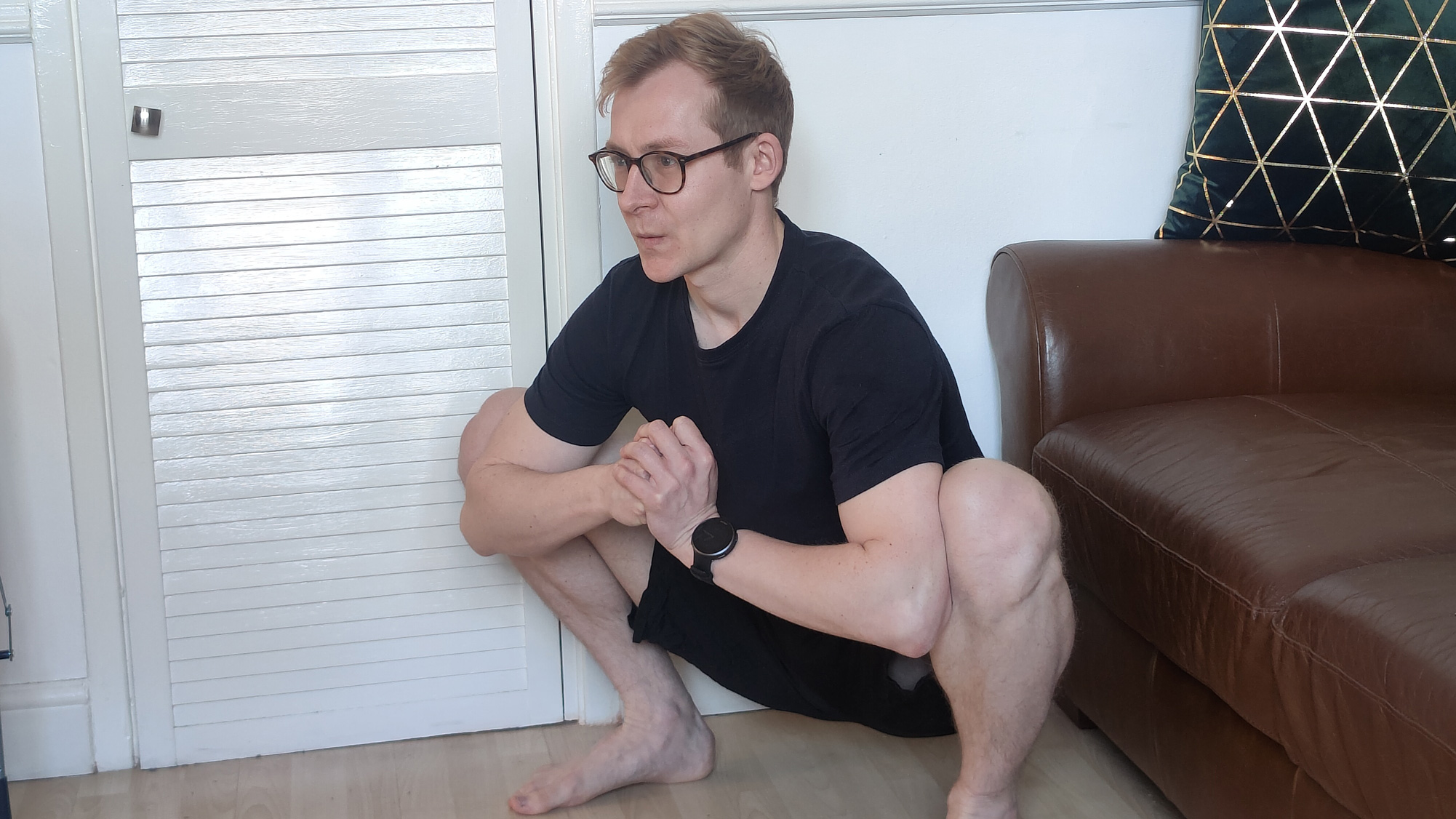
What it looks like: Fast push-ups with a half range, squats that bounce at the bottom, and planks that turn into a shaky hold with hips sagging and shoulders shrugging. You finish sweaty, but the muscles never get a clear training signal.
Why it stalls progress: Strength and muscle are largely driven by mechanical tension plus enough effort and volume over time. When reps get rushed, depth and alignment usually go first, and momentum starts doing the work. That can be fine for conditioning, but it is a shaky plan for getting stronger.
Fix: Slow down and own the hard part
- Use a simple tempo: 2 seconds down, 1 second pause, 1 second up. Start with push-ups, squats, and hip hinges.
- Pause where you usually cheat: Bottom of the squat, just above the floor in a push-up, or the fully extended position in a glute bridge.
- Quality rule: If the last 2 reps look different than the first 2 reps, the set went too fast or too far.
Quick self-check: Can you quietly control the rep without thumping the floor or bouncing off your joints? If yes, the work is more likely going to the muscles instead of just moving fast.
2) Random rep targets
What it looks like: “I always do 3 sets of 10” for everything, even when 10 is either way too easy or a form-breaking grind.
Why it stalls progress: The body adapts to repeated demands. If sets never get challenging, there is little reason to change. If every set is an all-out test, fatigue climbs, technique falls apart, and the next workouts get skipped.
Fix: Use the “2 reps left” rule
For most beginners training at home, a strong starting point is ending sets with about 1 to 3 reps in reserve. That means stopping when you could do a couple more with good form, but you choose not to.
- Strength-focused (common starting point): 5 to 8 controlled reps, stop with 1 to 2 reps left.
- Muscle-building and general fitness (common starting point): 8 to 15 controlled reps, stop with 1 to 3 reps left.
- Endurance (often): 15 to 25 reps can work, but only if form stays crisp and progress is happening in some other way.
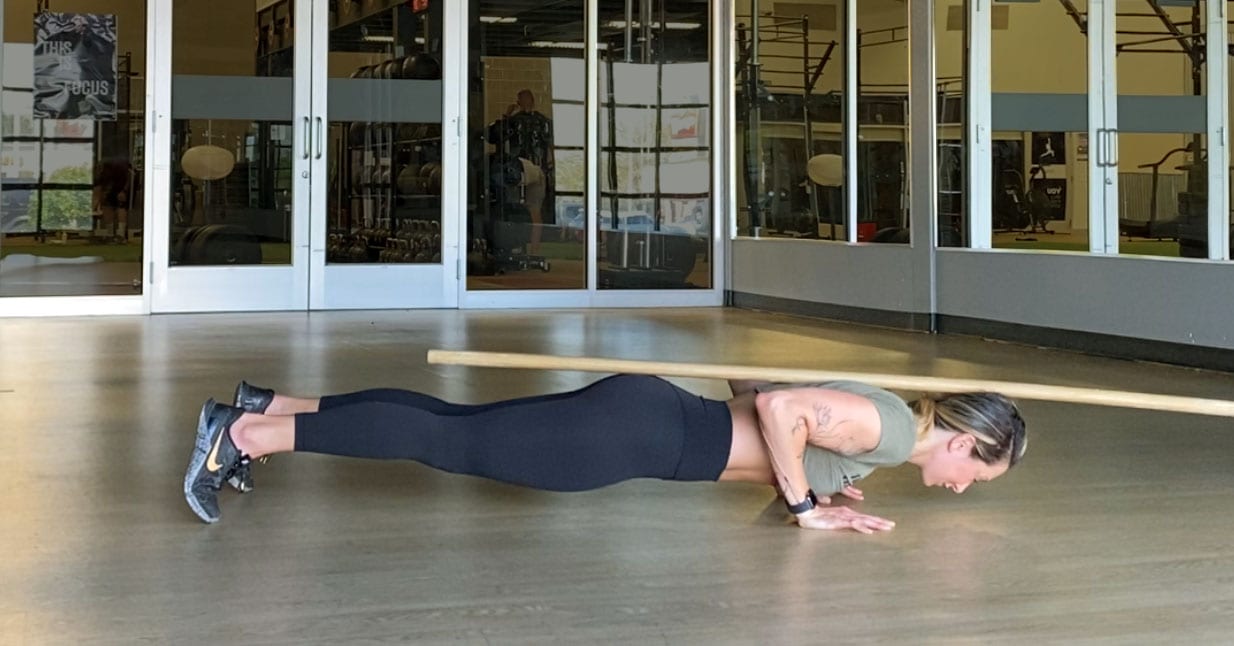
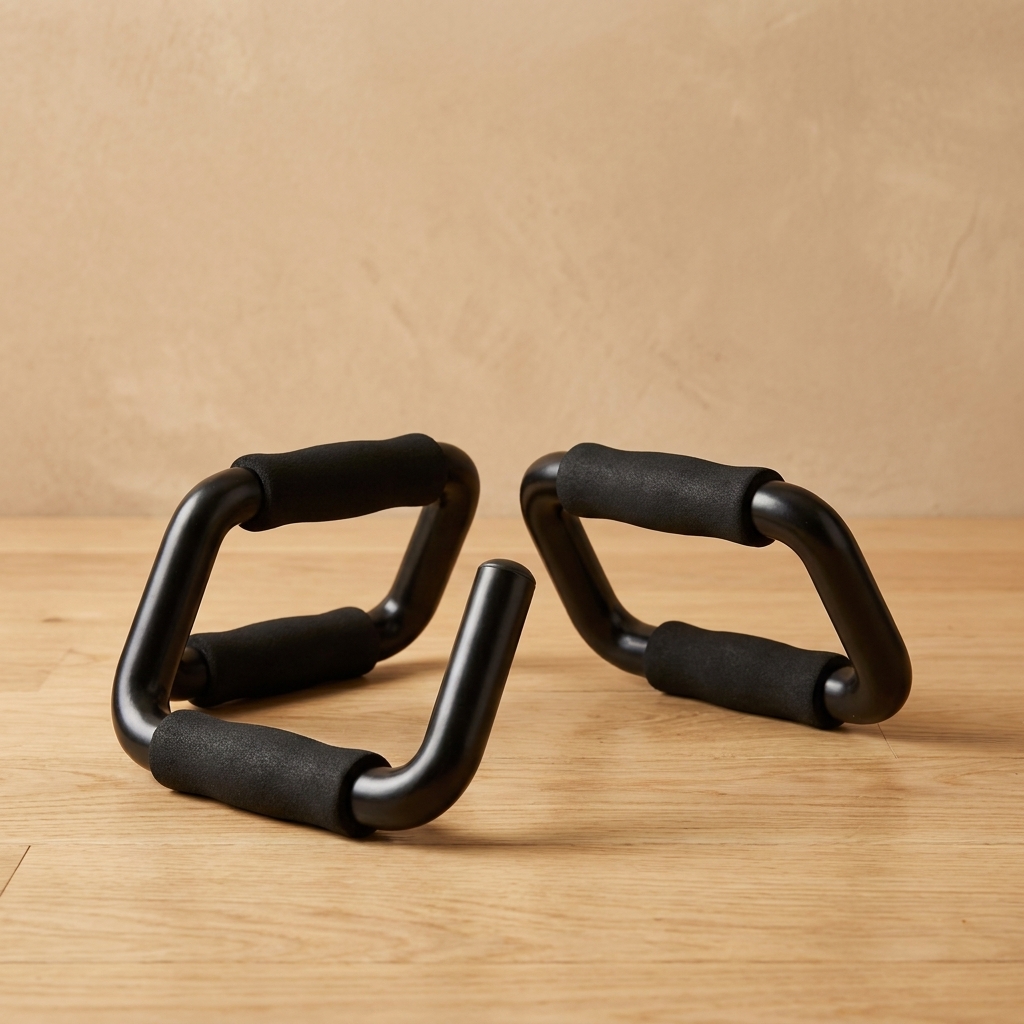
Easy upgrade: If regular push-ups are too easy at 12 to 15 reps, make them harder instead of chasing 30 sloppy reps. Try slow push-ups, pause reps, feet-elevated push-ups, or a deficit using stable push-up handles, parallettes, yoga blocks, or a solid step. Avoid stacks of books or anything that can slide.
3) Form drift
What it looks like: Elbows flaring out on push-ups, knees collapsing inward on squats, hips sagging in planks, or the lower back doing the work during core moves.
Why it matters: Good form is not about looking perfect. It is about putting stress where you want it (muscle) instead of where you do not (joints and irritated low backs).
Fix: Three at-home form cues
- Film one set: Prop your phone on a mug or stack of books. Record 10 to 15 seconds from the side for squats and hinges, and from the front for lunges. The biggest issues show up fast.
- Use “tripod foot” on leg moves: Big toe, little toe, heel all stay planted. When the arch collapses, the knee can follow, so think “foot steady, knee steady.”
- Brace before you move: Exhale gently, then tighten your midsection like you are about to cough. Keep that firmness while you squat, lunge, or push.
Beginner-friendly form targets:
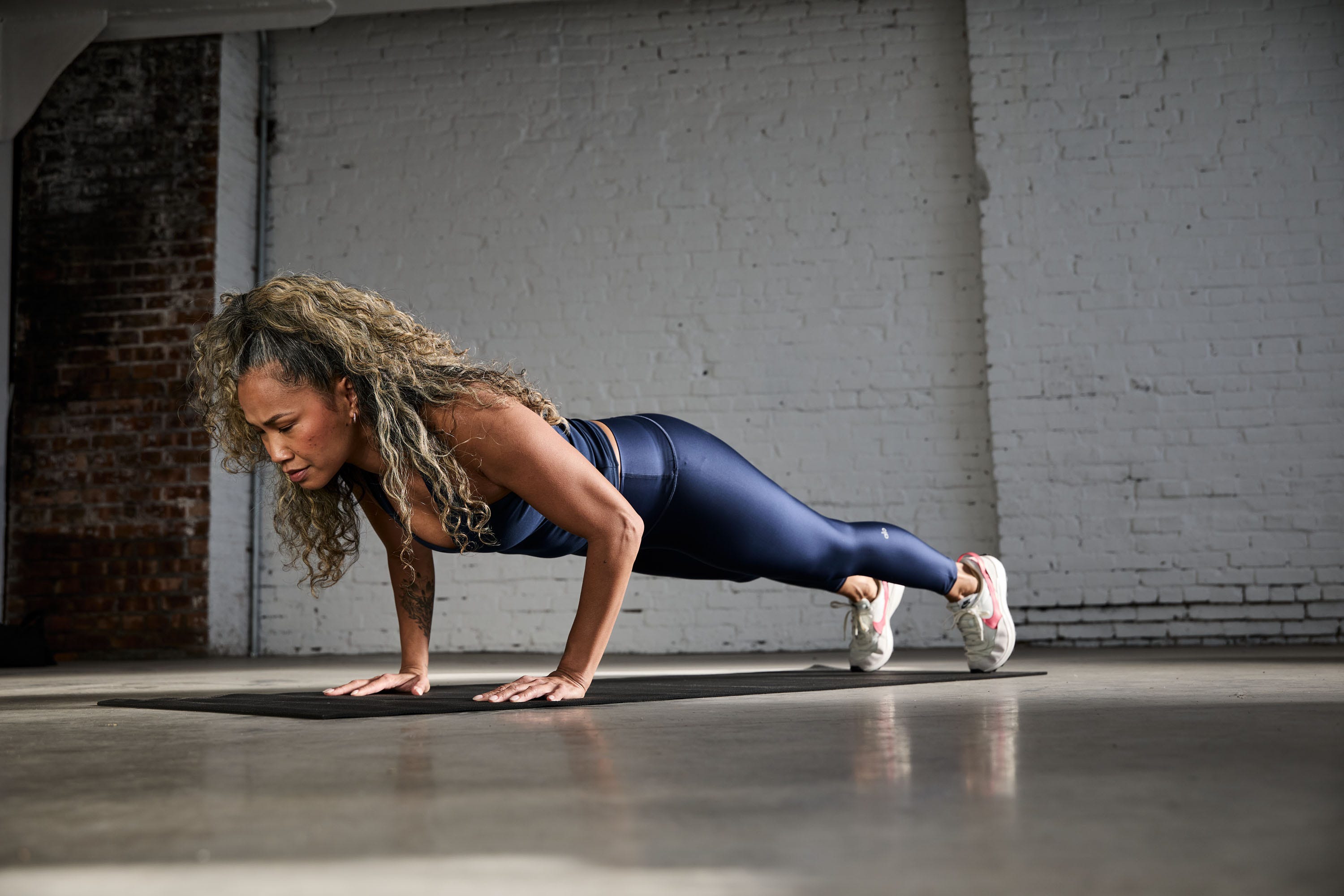
- Push-up: body in one line, elbows about 30 to 45 degrees from the sides, chest and hips rise together.
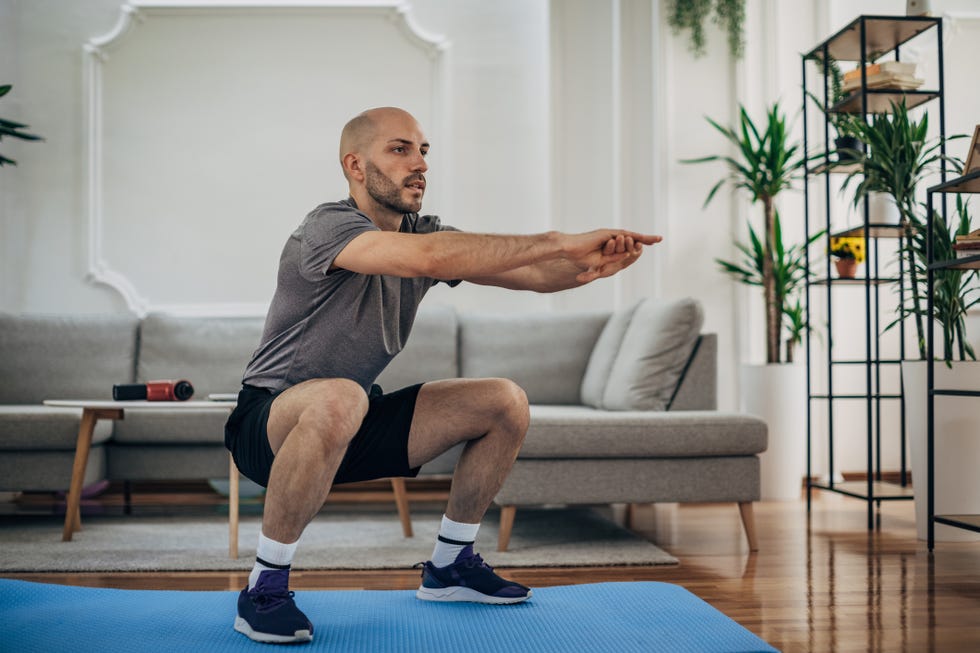
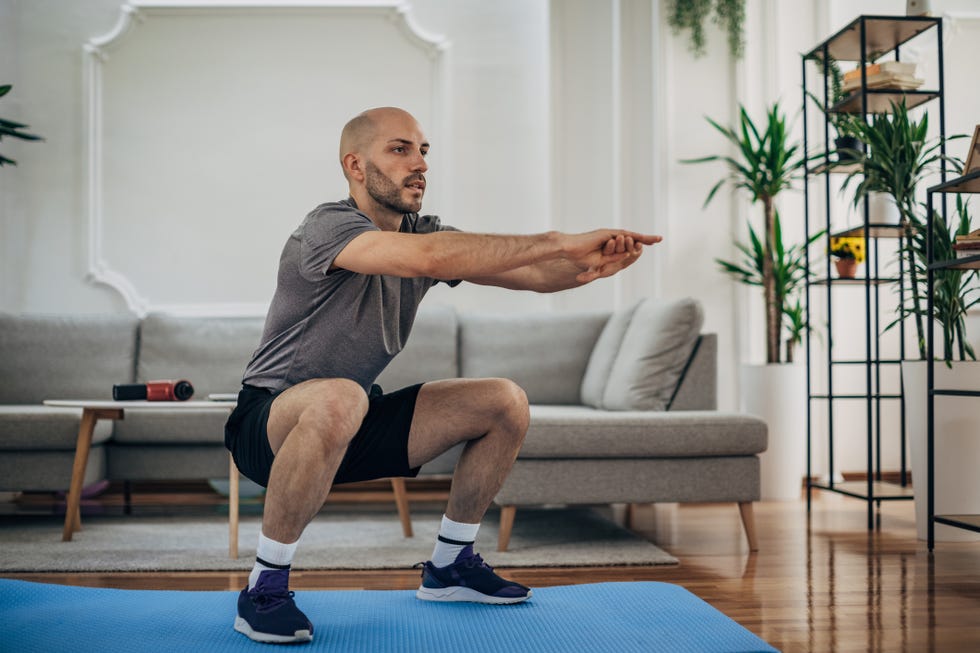
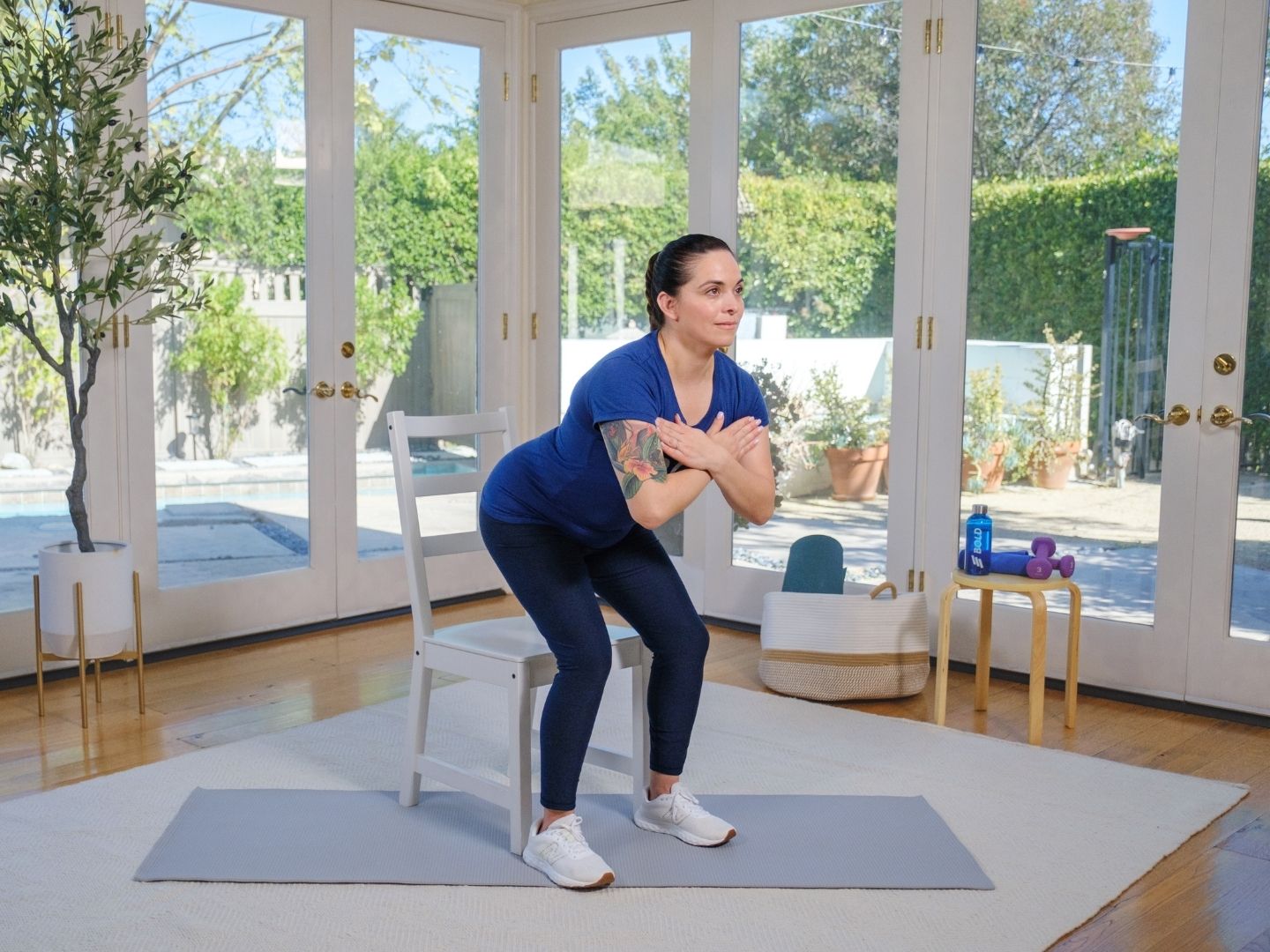
- Squat: full foot down, knees track roughly over toes, chest stays proud, and only go as deep as you can while keeping a neutral spine (avoid hard tucking under at the bottom).
- Hip hinge (RDL pattern): hips go back like closing a car door, shins mostly vertical, back stays long.

4) No progression plan
What it looks like: The exact same circuit Monday, Wednesday, Friday for two months. Same moves, same reps, same rest. At first it feels great, then it stops working.
Why plateaus happen: The body is efficient. Once an effort becomes normal, it becomes maintenance.
Fix: Pick one progression for 2 to 4 weeks
You do not need a complicated program. Choose one lever to pull at a time:
- Add reps: Example: 3x8 push-ups this week, 3x9 next week, 3x10 the week after.
- Add sets: Example: move from 2 sets to 3 sets while keeping reps the same.
- Slow tempo or add pauses: Same reps, more control, harder stimulus.
- Upgrade the variation: Incline push-up to floor push-up, squat to split squat, plank to long-lever plank.
- Reduce rest slightly: Great for conditioning, but do this after form and strength are solid.
Simple “home progression” rule: When you can hit the top of your rep range for every set with clean form, progress the movement.
Bonus: add load safely: If you need more challenge without fancy gear, a backpack with books, water jugs, or a resistance band can add load. Start light and keep it stable and controlled.
5) Maxing out daily
What it looks like: Going all-out every session, chasing sweat, finishing exhausted, and then skipping the next two workouts because soreness or fatigue takes over.
Why it backfires: Consistency beats intensity. If workouts are so hard that they wreck the next day, they are not “more effective.” They are just harder to repeat.
Fix: Make workouts repeatable
- Leave a little in the tank: Most sets should end with 1 to 3 reps in reserve, not total failure.
- Use a weekly rhythm: 2 to 4 strength-focused sessions per week is plenty for beginners.
- Recover on purpose: A short walk and decent sleep will do more for progress than punishing finishers.
Quick pain rule: A muscular burn and effort are normal. Sharp pain, numbness, dizziness, or pain that feels “wrong” is a stop signal.
Try this “busy week” baseline: Two full-body sessions (20 minutes each). If you do more, great. If not, momentum stays intact.
Do not skip pulling
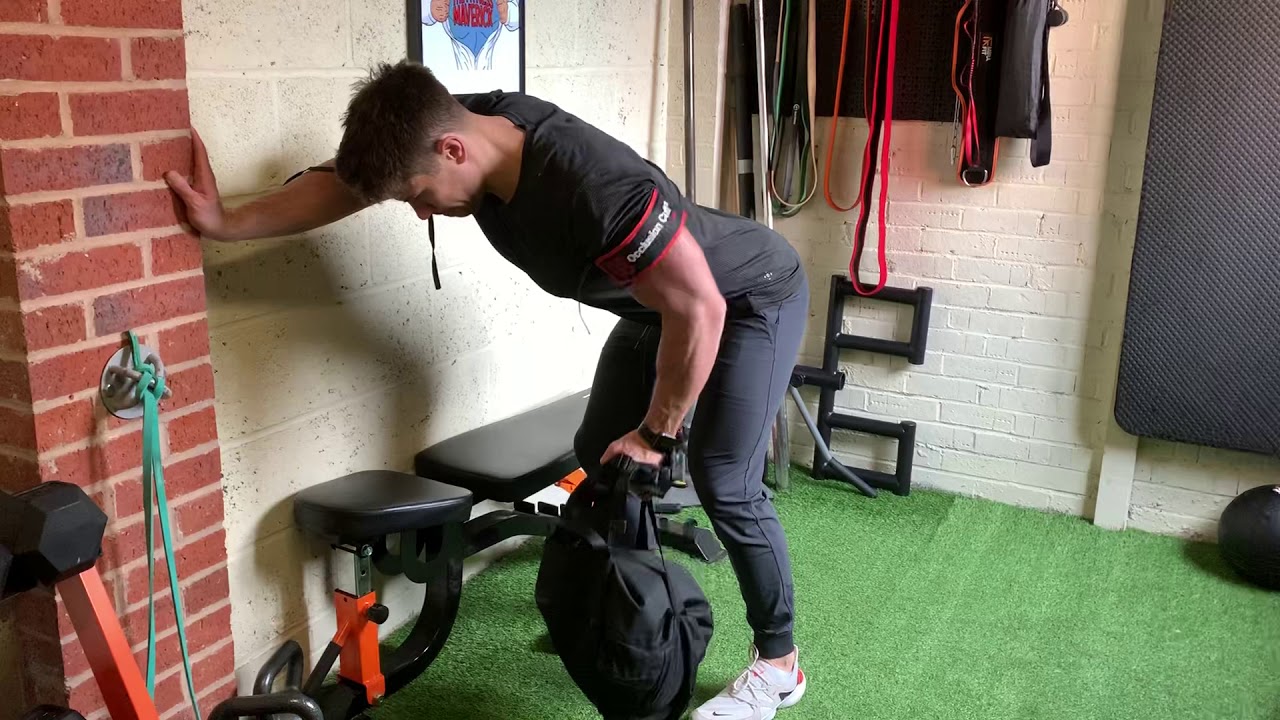
Most home routines end up push-heavy because push-ups are easy to program and rows are not. Over time, that can irritate shoulders and stall upper-back strength. Add one pulling option to each workout when possible.
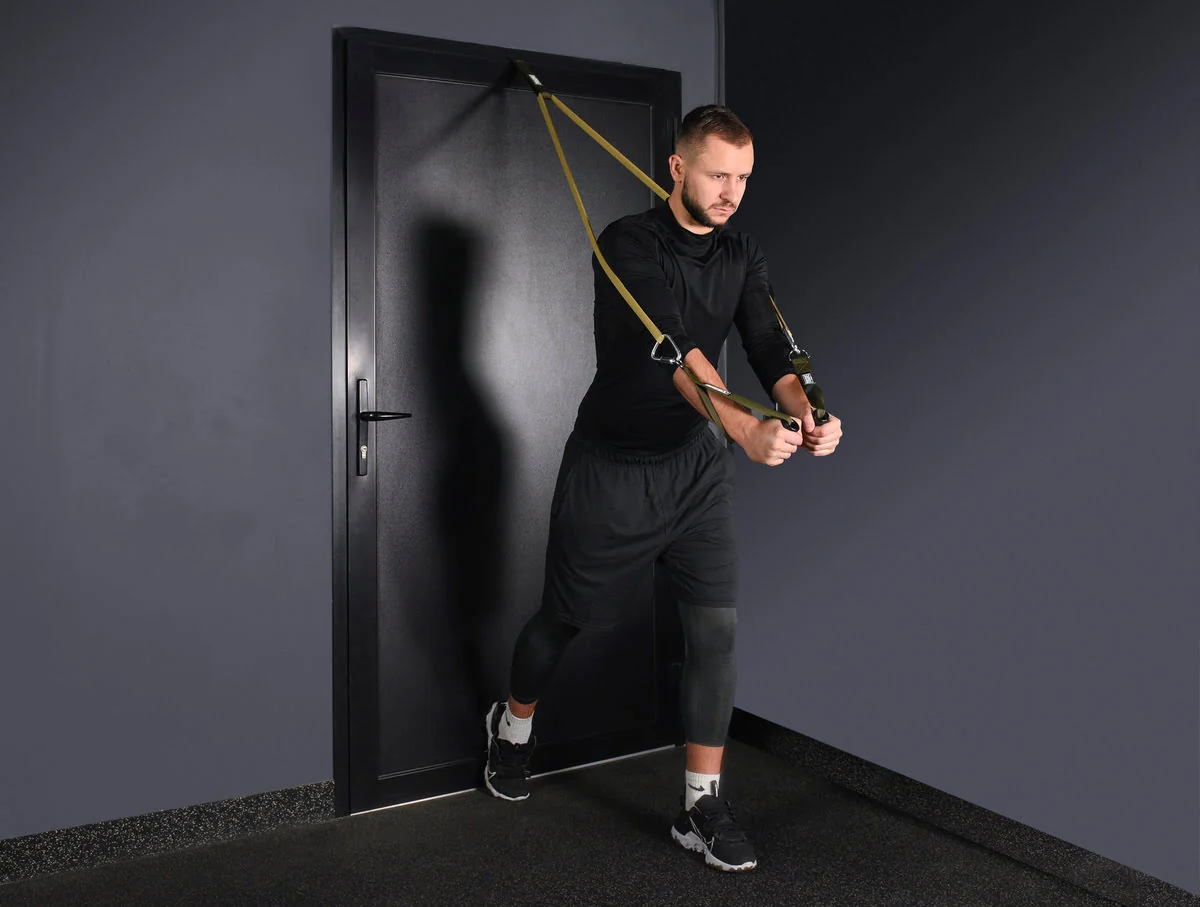
- Resistance band row: Anchor a band in a closed door with a proper door anchor, then row with control. If the setup does not feel rock-solid, skip it.
- Backpack row: Load a backpack, hinge slightly, and row it to the ribs. Keep the back long and the reps slow.
- Table row (only if stable): Under a heavy, sturdy table, pull the chest toward the edge. If there is any wobble, do not do it.
20-minute fix workout
If you want something you can run today, here is a simple, no-equipment session designed to prioritize form, smart effort, and progression.
Warm-up (3 minutes)
- 30 seconds marching in place with big arm swings
- 30 seconds hip hinges (slow)
- 30 seconds shoulder circles and scapular push-ups
- 30 seconds bodyweight squats (easy depth)
- 60 seconds total of tight spots (ankles, hips, or chest opening)
Main work (14 minutes)
Set a timer for 14 minutes. Cycle through these moves at a controlled pace. Stop each set with about 2 reps left. Rest 20 to 40 seconds between moves as needed to keep form clean.
- Squat or split squat: 8 to 12 reps
- Push-up (incline if needed): 6 to 12 reps
- Backpack row or band row: 8 to 12 reps
- Glute bridge (2-second squeeze at top): 10 to 15 reps
- Side plank: 20 to 30 seconds per side
Cool down (3 minutes)
- 1 minute easy breathing while lying on your back
- 1 minute hip flexor stretch
- 1 minute chest stretch against a doorway
Progression for next week: Add 1 rep to each strength move, or add a 1-second pause at the bottom of the squat and push-up.
FAQ
How many reps should I do?
Aim for a rep range that makes the last few reps challenging while form stays clean. For most beginners, 8 to 15 reps is a solid starting point for moves like squats, lunges, rows, and push-ups. If way more than that feels easy, make the exercise harder instead of piling on endless reps.
Is training to failure bad?
Occasionally is fine, but doing it all the time tends to wreck recovery and make the next sessions inconsistent. Most sets are more productive if they stop with 1 to 3 reps left.
How do I check form without a coach?
Film one set from the side or front, slow the reps down, and pay attention to where the exercise is felt. Squats usually show up in thighs and glutes, push-ups in chest and triceps, hinges in hamstrings and glutes, rows in the upper back, and planks in the midsection. If everything shows up in the neck, low back, or joints, scale it back and rebuild control.
Why am I not getting results?
The usual reasons are: reps are too fast, effort is too low (or always max), form is leaking, pulling work is missing, or there is no progression week to week. Fix those and a “simple” bodyweight plan starts working like a real program.
Next step
If you take only one thing from this, let it be this: make your workouts repeatable. Control reps, choose a rep range that challenges you, include a pull, and progress one small step at a time.
If you want, tell me what your current home routine looks like (exercises, sets, reps, and how many days per week). I can help spot which of these mistakes is most likely holding things back and how to adjust it without making workouts longer.
Safety note: If you are dealing with a recent injury, new or worsening pain, dizziness, or you are returning postpartum, check in with a qualified clinician before pushing intensity.