Fix form leaks, dial in effort, add smart progression, and balance push with pulling using practical bodyweight tweaks you can apply at home.
Home Pulse Fit
•
home workouts and fitness
7 Common Home Workout Mistakes Beginners Make (And How to Fix Them)
Starting home workouts? Avoid 7 beginner mistakes that stall progress, from doing too much too soon to skipping warm-ups. Simple fixes that work in small spaces.

Marcus Thorne
Marcus Thorne is an NASM-certified personal trainer and the creator behind Home Pulse Fit. After successfully transforming his own health using only bodyweight routines in his small apartment, he left his demanding corporate career to help others do the same. Today, he is dedicated to making fitness accessible, sustainable, and entirely gym-free for busy beginners.
Published
October 18, 2026
Updated
October 18, 2026
When I first started working out at home, I thought the goal was to sweat as hard as possible for as long as possible. In a cramped apartment, with zero equipment, that mindset didn’t make me “disciplined.” It made me inconsistent.
The truth is: home workouts work incredibly well for beginners, but a few common mistakes can quietly stall your progress. Let’s fix them, one by one, so your routine feels doable, repeatable, and surprisingly effective.
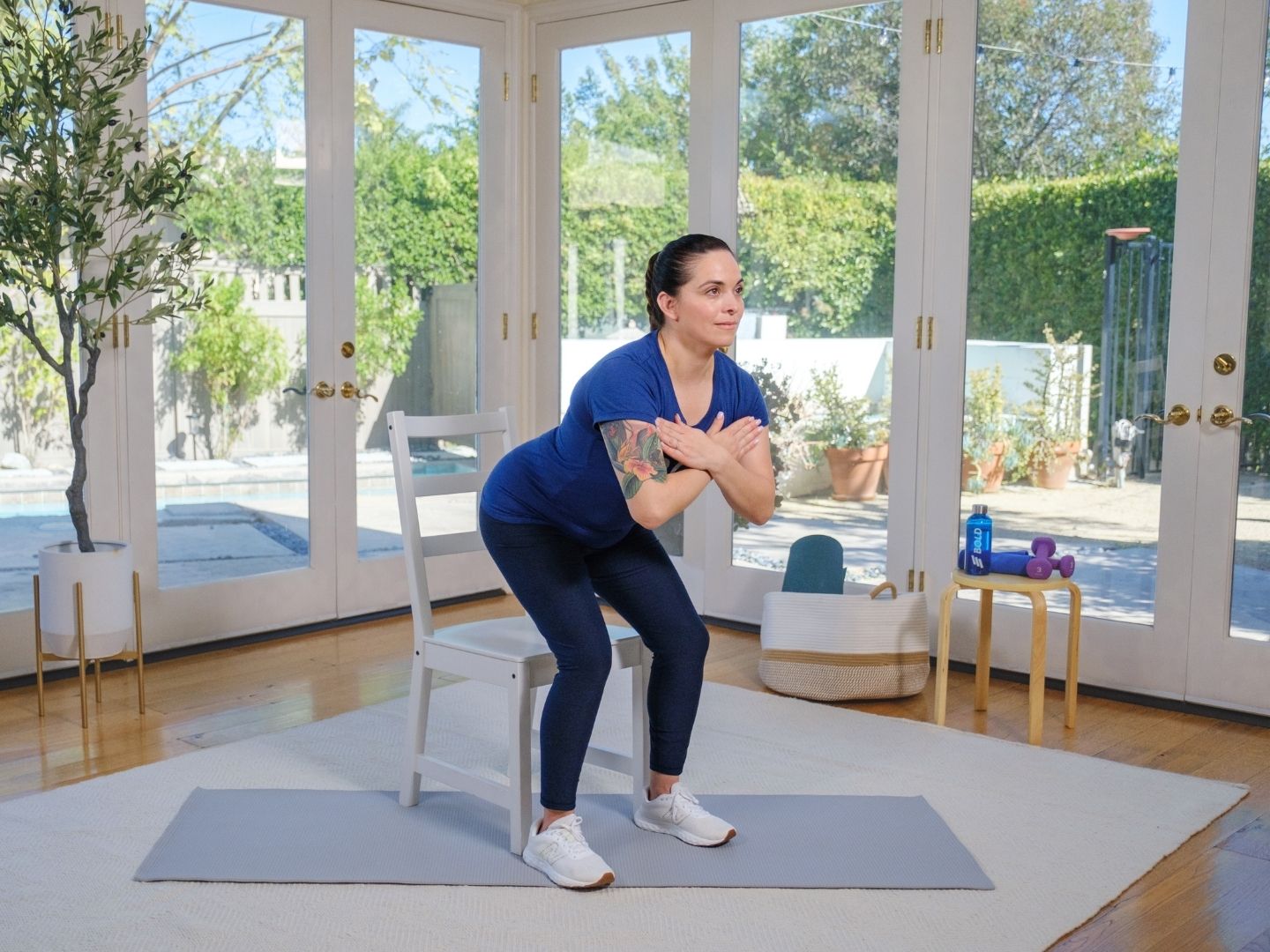
1) Going too hard too soon
What it looks like: Day 1 is 45 minutes, Day 2 is sore and discouraged, Day 7 is “I guess I fell off.” This is the most common pattern I see with beginners.
Why it derails you: Your muscles, joints, and tendons need time to adapt. Your cardio and motivation often adapt faster than connective tissue, which is why intensity can feel “fine” in the moment but recovery can get ugly afterward.
Fix it
- Start with a “minimum effective dose”: 15 to 25 minutes, 2 to 4 days per week.
- Stop 1 to 3 reps before failure on most sets for the first 2 to 3 weeks.
- Use the soreness rule: Mild soreness is fine. If sitting down hurts, you did too much.
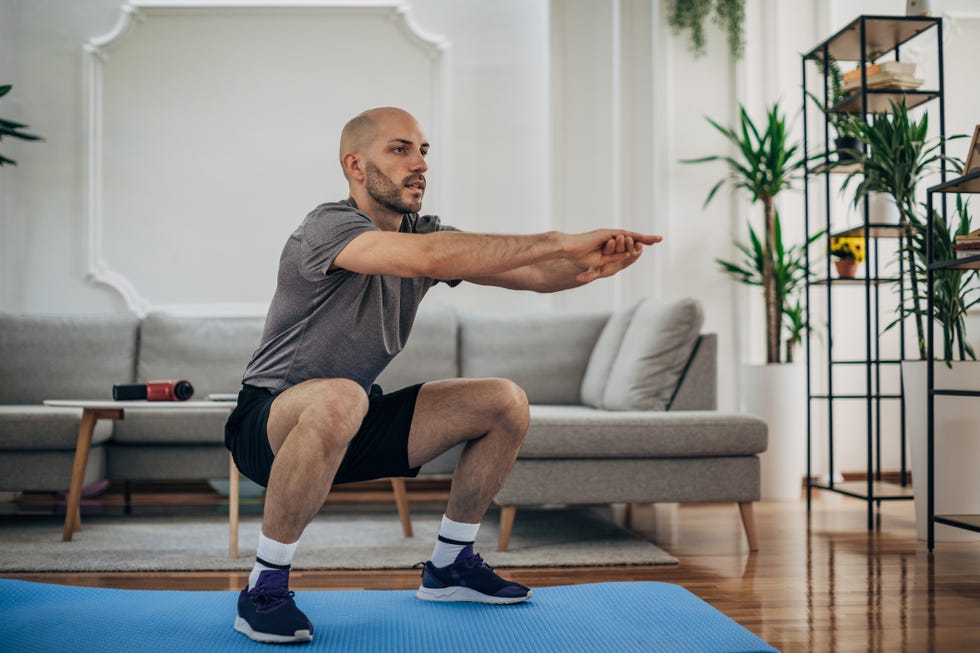
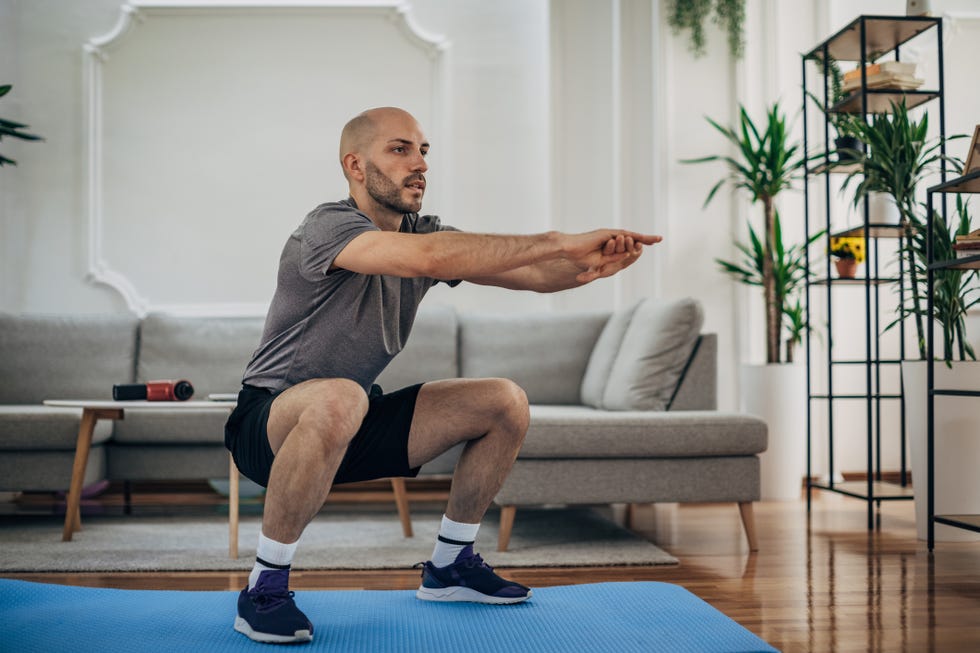
Try this baseline: 3 rounds of 8 squats, 6 incline pushups (hands on a counter), 10 glute bridges, 20 to 30 seconds plank. Rest as needed. Done.
2) Letting form slide because “it’s just bodyweight”
What it looks like: Knees collapsing inward on squats, hips sagging on planks, shoulders shrugging up on pushups, or speed-repping through everything.
Why it derails you: Form isn’t about perfection. It’s about putting the effort into the right muscles and reducing wear-and-tear on your joints. At home, without mirrors or coaching, sloppy reps can become habits fast.
Fix it
- Slow down your reps: Aim for a 2-second lower, 1-second pause, 1-second rise on most moves.
- Use simple form cues:
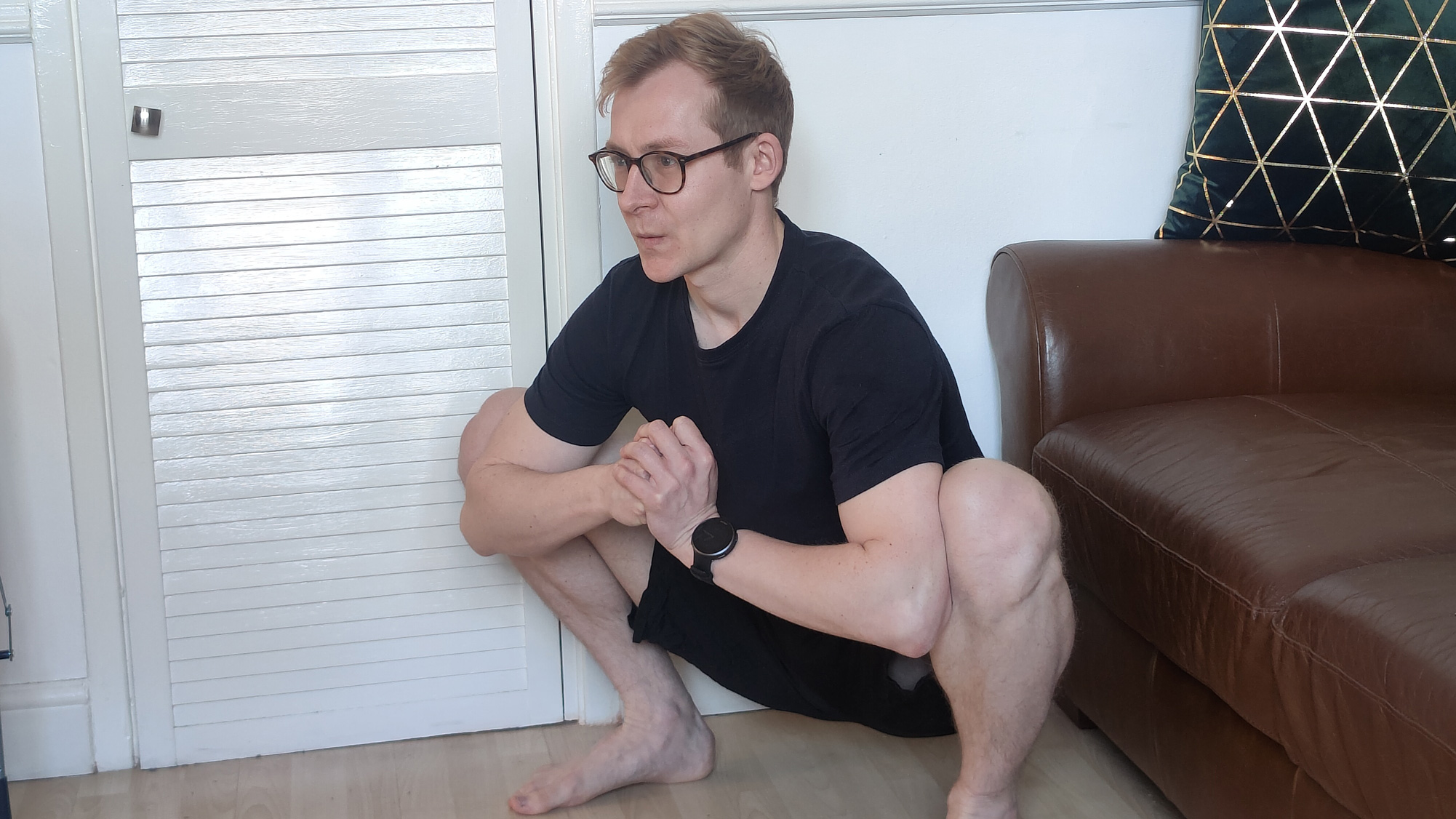
- Squat: “Tripod foot” (big toe, little toe, heel all grounded).
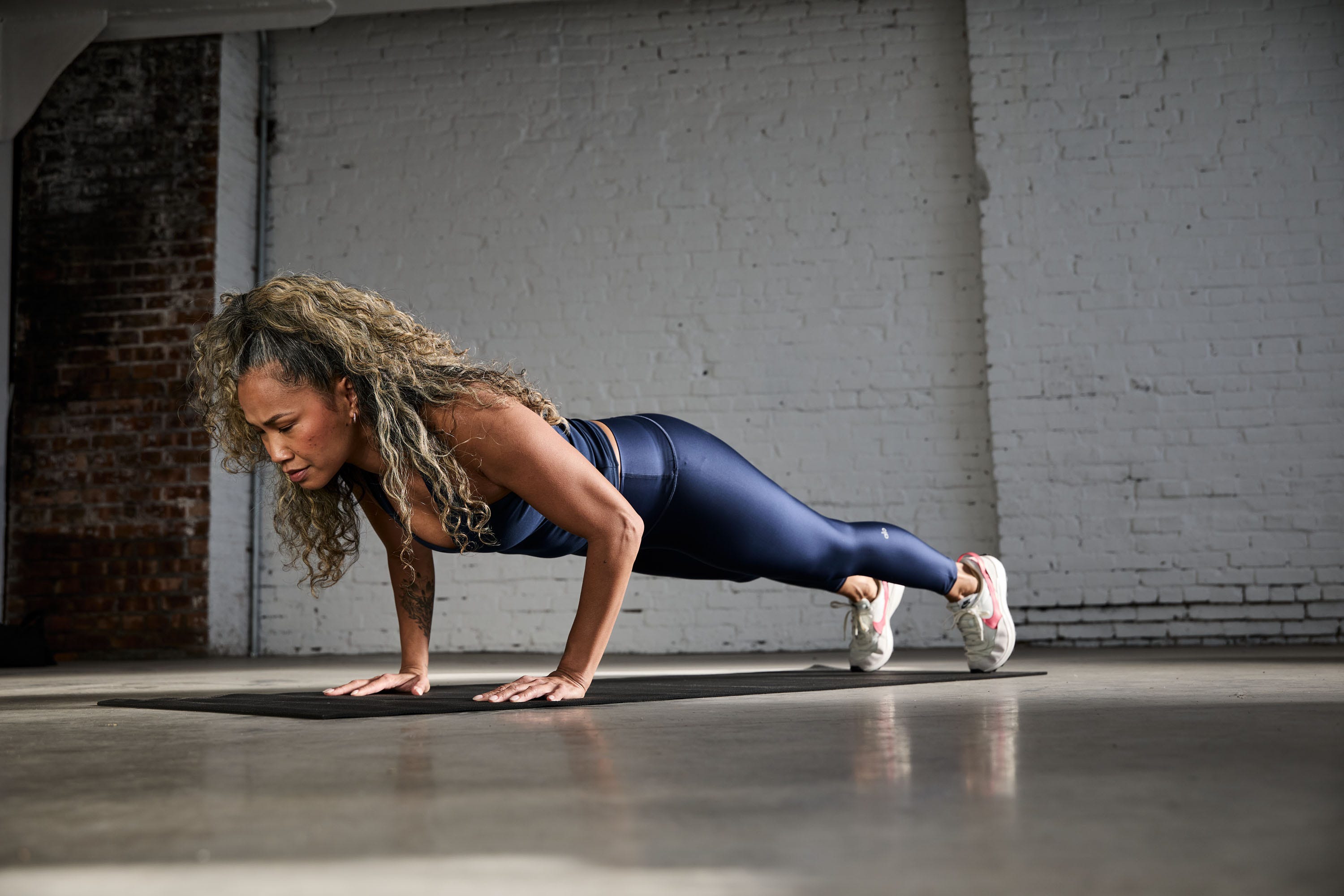
- Pushup: “Ribs down, body like a plank.”
- Plank: “Squeeze glutes, exhale, ribs tucked.”
- Film one set from the side with your phone once a week. You will often learn more in 20 seconds of video than in 20 minutes of guessing.

3) Skipping a warm-up
What it looks like: You go from sitting on the couch to jumping jacks to burpees, and your knees, back, or shoulders immediately complain.
Why it derails you: Your body is stiff when it’s cold. A warm-up is not “extra.” It is the on-ramp that helps you move better and feel safer, which makes you more likely to keep going.
Fix it
Use a 4-minute warm-up you can repeat forever:
- 30 seconds marching in place, swinging arms
- 30 seconds hip hinges (hands on hips, slight knee bend)
- 30 seconds arm circles and shoulder rolls
- 30 seconds gentle torso twists (easy range)
- 30 seconds bodyweight squats to a comfortable depth
- 30 seconds alternating reverse lunges (small range)
- 60 seconds plank walkouts or “dead bug” (slow and controlled)
If your workout is short, your warm-up should be short. Just make it consistent.
4) Random workouts with no plan
What it looks like: One day you do a YouTube HIIT video, next time you do abs, next time you do a “full body burn,” and none of it repeats long enough to improve.
Why it derails you: Your body changes when it can adapt to a repeated challenge. Variety is fun, but too much randomness makes progress hard to measure.
Fix it
Pick 4 to 6 core moves and repeat them for 3 to 4 weeks. Keep a tiny log in your notes app.
Simple ways to progress at home:
- Add 1 to 2 reps per set each week
- Add one extra round
- Slow the lowering phase
- Shorten rest by 10 to 15 seconds
- Upgrade the variation (incline pushup to knee pushup to full pushup)
A simple 4-week example:
- Week 1: 2 rounds at an easy effort, clean reps
- Week 2: 3 rounds
- Week 3: Add 1 to 2 reps per exercise
- Week 4: Keep reps, make one move slightly harder (lower the incline on pushups, add a pause, slow the lowering)
Progression does not need to be dramatic. Quiet improvements add up fast.
5) Training only the front side
What it looks like: Lots of pushups, crunches, and squats, but almost no pulling, hinging, or upper-back work. This is super common in home workouts because pushing exercises are easier to “find.”
Why it derails you: When your chest and shoulders dominate and your upper back lags behind, posture suffers and shoulders often start feeling cranky.
Fix it
You do not need a full home gym, but you do need some kind of pull pattern.
- Beginner-friendly options:
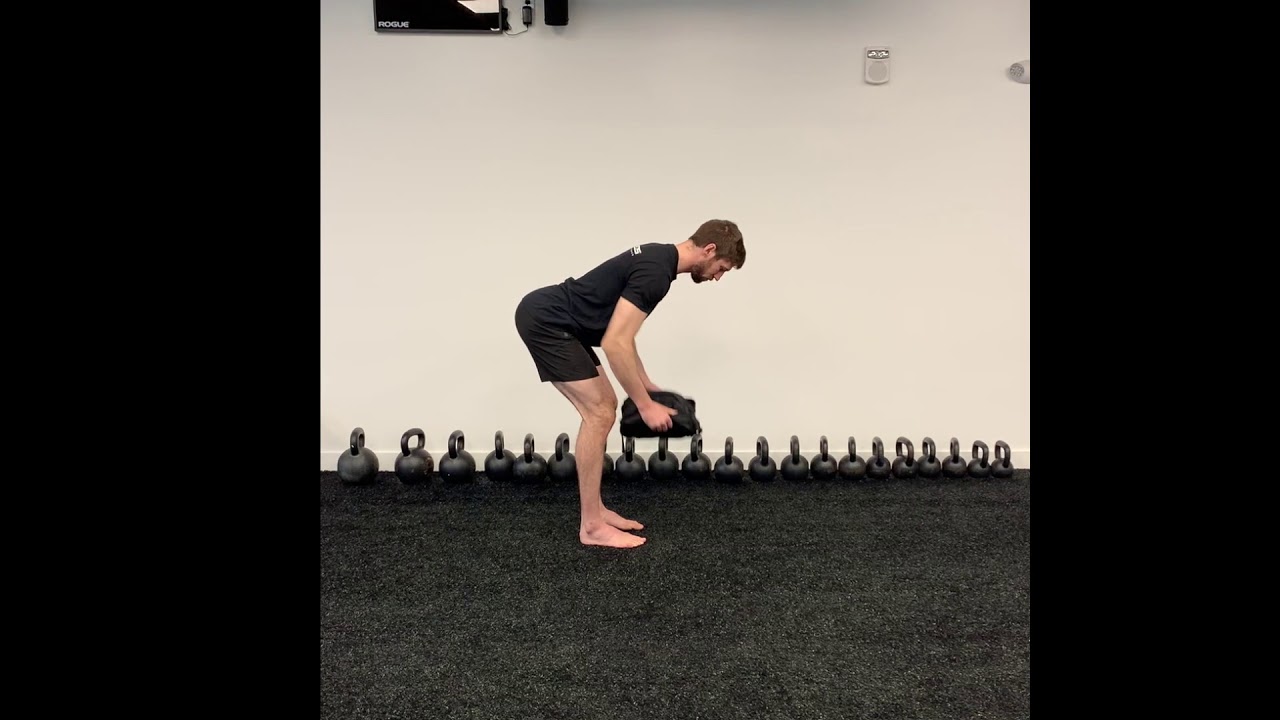
- Backpack rows: load a backpack with books and do bent-over rows.
- Table rows: hold the edge of a sturdy table and row your chest toward it. If it shifts, skip it.
- Floor “Y-T-W” raises: lie face down and lift arms into a Y, then T, then W shape slowly.
- Safety note: If you try any door or towel setup, test it gently first and do not trust a loose handle, weak hinge, or hollow door. When in doubt, use a backpack row or Y-T-W raises instead.
- Rule of thumb: For every set of pushups, aim for a set of rows or upper-back work.
6) An all-or-nothing schedule
What it looks like: “I’ll work out Monday through Saturday at 6 a.m.” Then life happens. A late night, a sick kid, a work deadline. Suddenly the plan collapses and it feels like failure.
Why it derails you: Beginners do not fail because they are lazy. They fail because the plan has no flexibility.
Fix it
- Create two plans:
- Plan A (ideal): 20 to 30 minutes, 3 to 4 days per week.
- Plan B (backup): 8 minutes, 2 moves, done.
- Anchor to a routine you already do: right after morning coffee, after brushing your teeth, or right when you get home from work.
- Use a weekly target, not daily perfection: “3 workouts per week” beats “I must work out every day.”
- Space full-body days: if you can, use an every-other-day rhythm (for example, Monday, Wednesday, Friday). Rest days are where your body actually adapts.
Example Plan B: 4 rounds: 30 seconds squats, 30 seconds incline pushups, 30 seconds rest. That’s it. Keep the habit alive.
7) Treating sweat like a score
What it looks like: Chasing exhaustion every session, adding extra sets because you feel guilty, or stacking workouts on top of low sleep and high stress.
Why it derails you: Sweat is not a progress metric. It is temperature regulation. Real progress looks like better reps, more control, more consistency, and improved recovery.
Fix it
- Use two simple success markers:
- Can you do more reps with good form than 2 weeks ago?
- Do you feel better and more capable in daily life?
- Balance hard and easy days: Most beginners do best with 2 to 3 full-body sessions per week that feel moderately hard by the last few reps. If you also do truly hard conditioning (breathless, brutal intervals), keep that to 1 to 2 sessions per week.
- Prioritize recovery basics: sleep, daily walking, protein with meals, and hydration.
If you want a motto you can actually live with: Consistency beats intensity. It’s not a quote. It’s the entire game.
Quick checklist
- Duration: 15 to 25 minutes
- Warm-up: 4 minutes
- Form: slower reps, stop before breakdown
- Balance: push, squat, hinge, core, pull
- Progression: add a rep or slow the lowering next week
- Schedule: Plan A plus Plan B
If you have medical conditions, a recent injury, are pregnant or postpartum, or you get persistent pain during training, it is worth checking in with a qualified professional before pushing through.
Keep it simple, keep it repeatable, and give your body a reason to come back tomorrow.
FAQ
How many days a week should a beginner work out at home?
Most beginners do great with 3 days per week of full-body workouts. If your schedule is chaotic, start with 2 days and build up. The best plan is the one you can repeat for months.
How long should a home workout be to see results?
You can see results with 15 to 30 minutes, as long as you are consistent and gradually make the exercises a little harder over time. Short, repeatable workouts beat long, sporadic ones.
What if I feel joint pain during bodyweight exercises?
Stop and adjust. Joint pain is a red flag, not a badge of honor. Reduce range of motion, slow down, switch to an easier variation (like incline pushups instead of floor pushups), and consider getting professional guidance if pain persists.