Actionable ways to keep challenging your muscles without weights: harder variations, tempo, range of motion, density, and smart tracking for real muscle grow...
Home Pulse Fit
•
home workouts and fitness
Bodyweight vs. Resistance Bands for Beginners
Trying to start working out at home? Here’s a beginner-friendly breakdown of bodyweight training vs. resistance bands, including pros, cons, safety tips, and simple starter plans.

Marcus Thorne
Marcus Thorne is an NASM-certified personal trainer and the creator behind Home Pulse Fit. After successfully transforming his own health using only bodyweight routines in his small apartment, he left his demanding corporate career to help others do the same. Today, he is dedicated to making fitness accessible, sustainable, and entirely gym-free for busy beginners.
Published
October 18, 2026
Updated
October 18, 2026
If you are starting your home workout journey, choosing between bodyweight exercises and resistance bands can feel like picking the “right” path. Here is the truth from someone who got in shape in a small apartment with no gym membership: both work. The better option is the one you will actually do consistently, in the space you actually have, with the confidence you can keep showing up.
This guide breaks down what each approach is best at, where beginners commonly struggle, and how to choose your starting point without overthinking it.
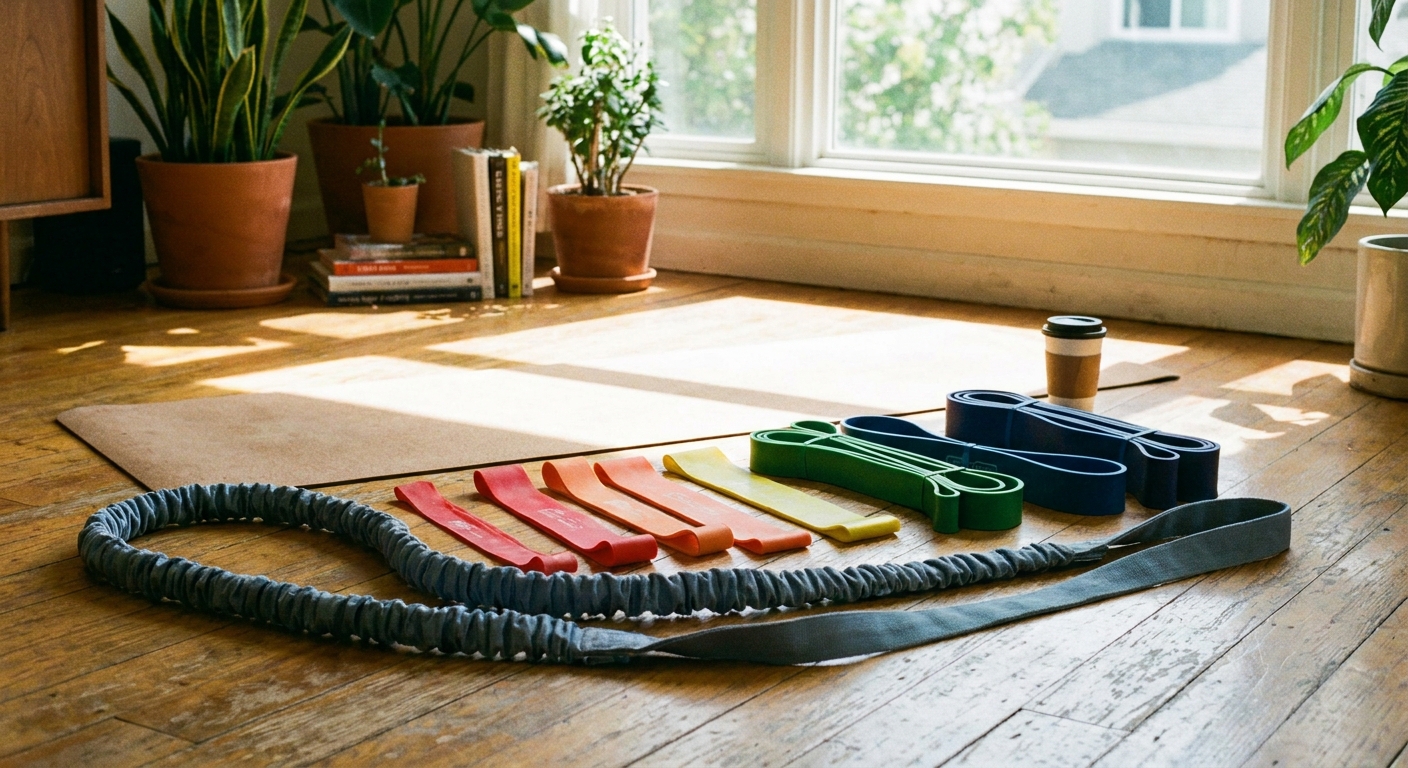
What counts as bodyweight and what counts as bands?
Bodyweight training
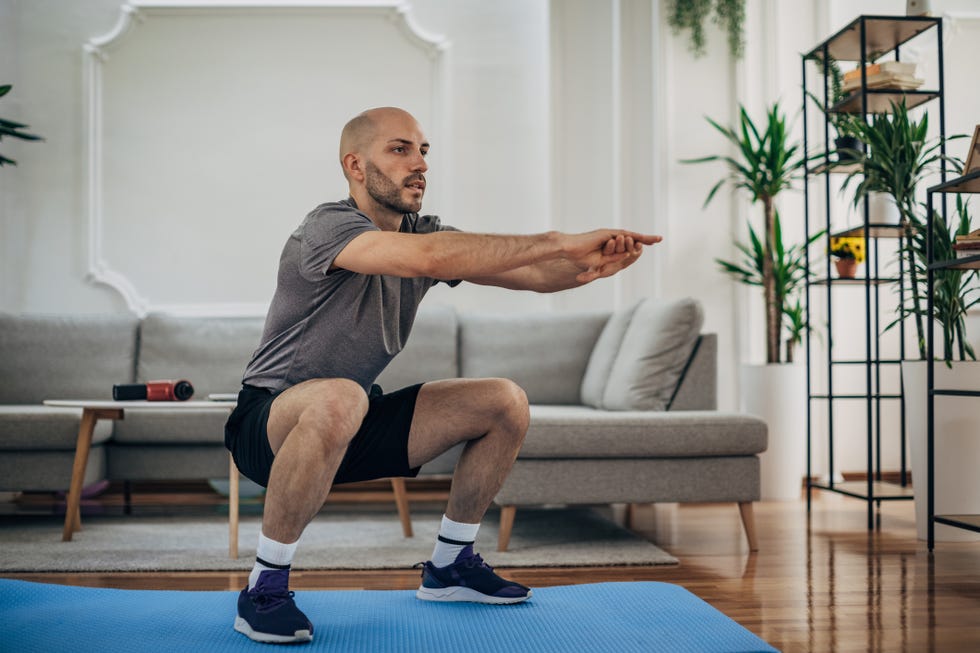
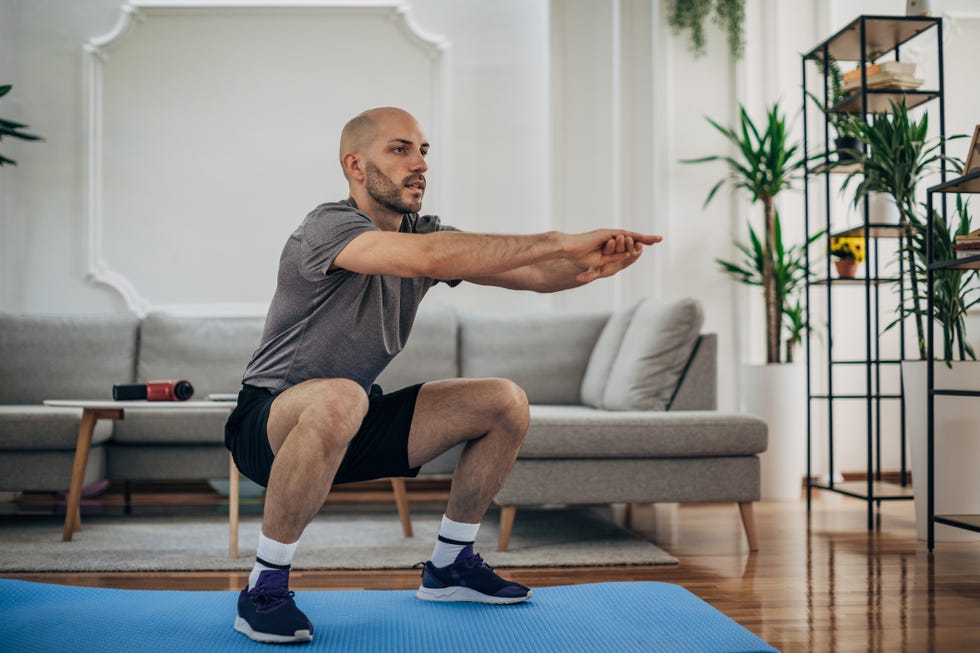
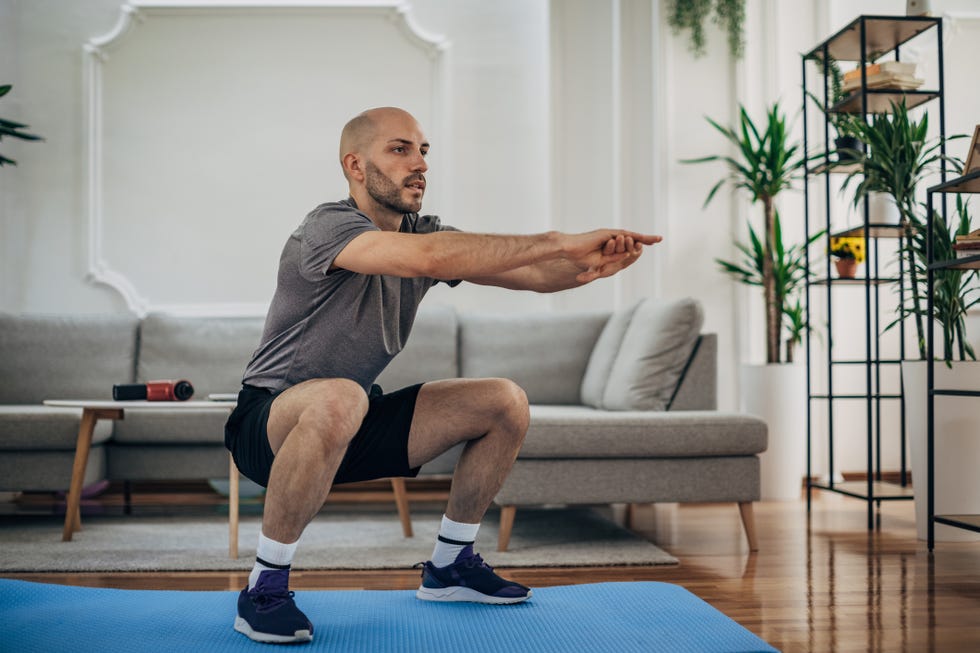
Bodyweight training uses your own body as the resistance. Think squats, modified push-ups, glute bridges, planks, step-ups on a sturdy chair, or split squats. You can make moves easier or harder by changing leverage, range of motion, tempo, and rest time.
Resistance band training
Band training uses elastic tension to load a movement. That can be mini loop bands around your legs, long loop bands you can anchor in a door, or tube bands with handles. Bands are especially useful for pulling movements at home, like rows and pulldowns, which are harder to replicate with bodyweight alone.
The big difference: how resistance feels
Bodyweight resistance is gravity-based
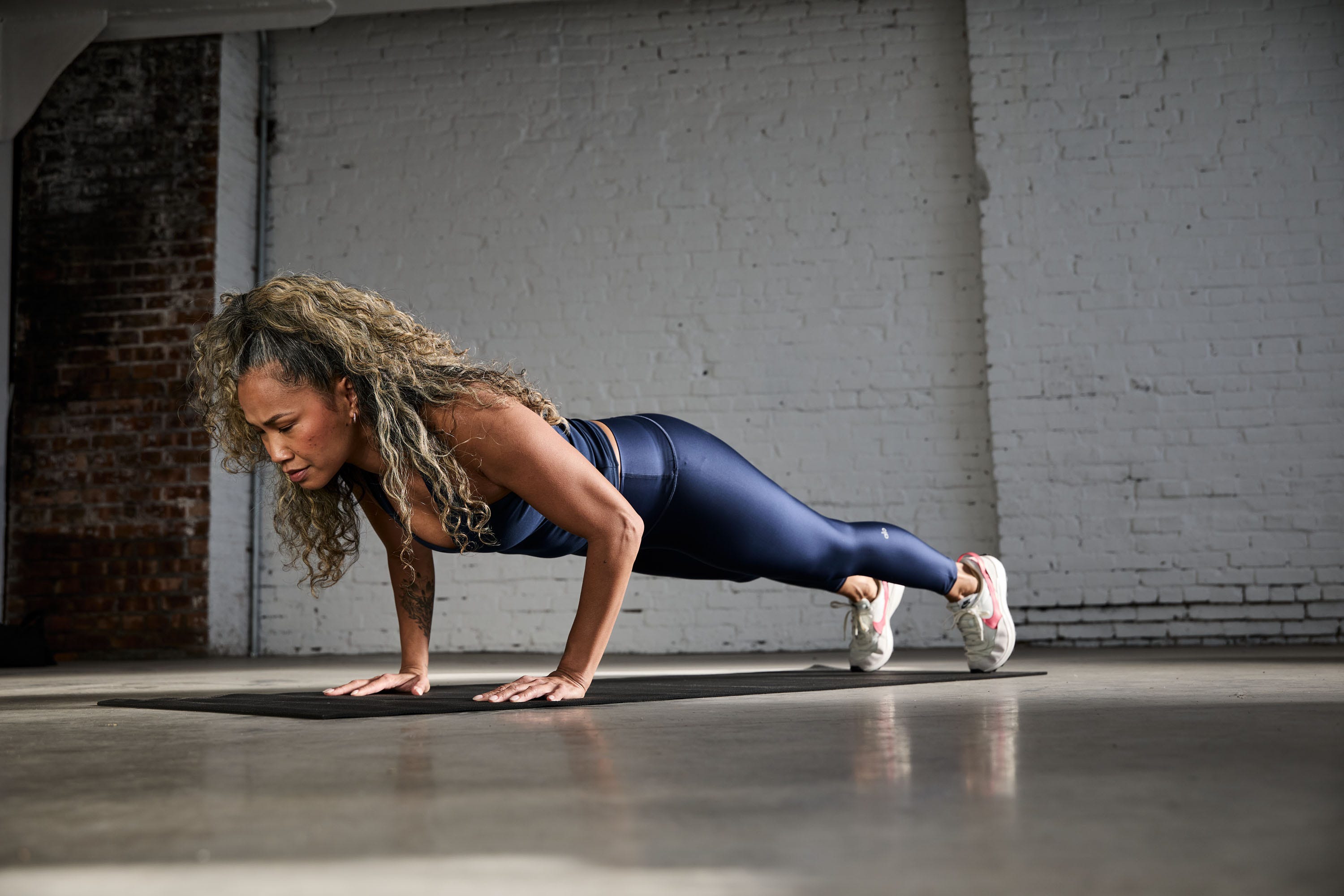
With most bodyweight moves, gravity is your main opponent. In a push-up, your chest and triceps often work hardest near the bottom. In a squat, it is hardest at your weakest leverage point, which for many beginners is usually near the bottom.
Band resistance increases as the band stretches
Bands usually get harder near the end of the rep because tension increases as the band lengthens. This can feel more joint-friendly for some beginners because the load is often lighter in the deep, lengthened position. It is not automatic, though. Setup, band choice, and technique matter a lot.
It can also mean the exercise feels “too easy” at first and then suddenly tough at the top, which takes a little practice.
Which builds strength faster for beginners?
For true beginners, both can build strength quickly because your body is adapting to new stimulus. The deciding factor is progression, meaning how easily you can make the workout slightly harder over time.
- Bodyweight progression is simple but sometimes jumpy. For example, going from incline push-ups to floor push-ups can feel like a big step.
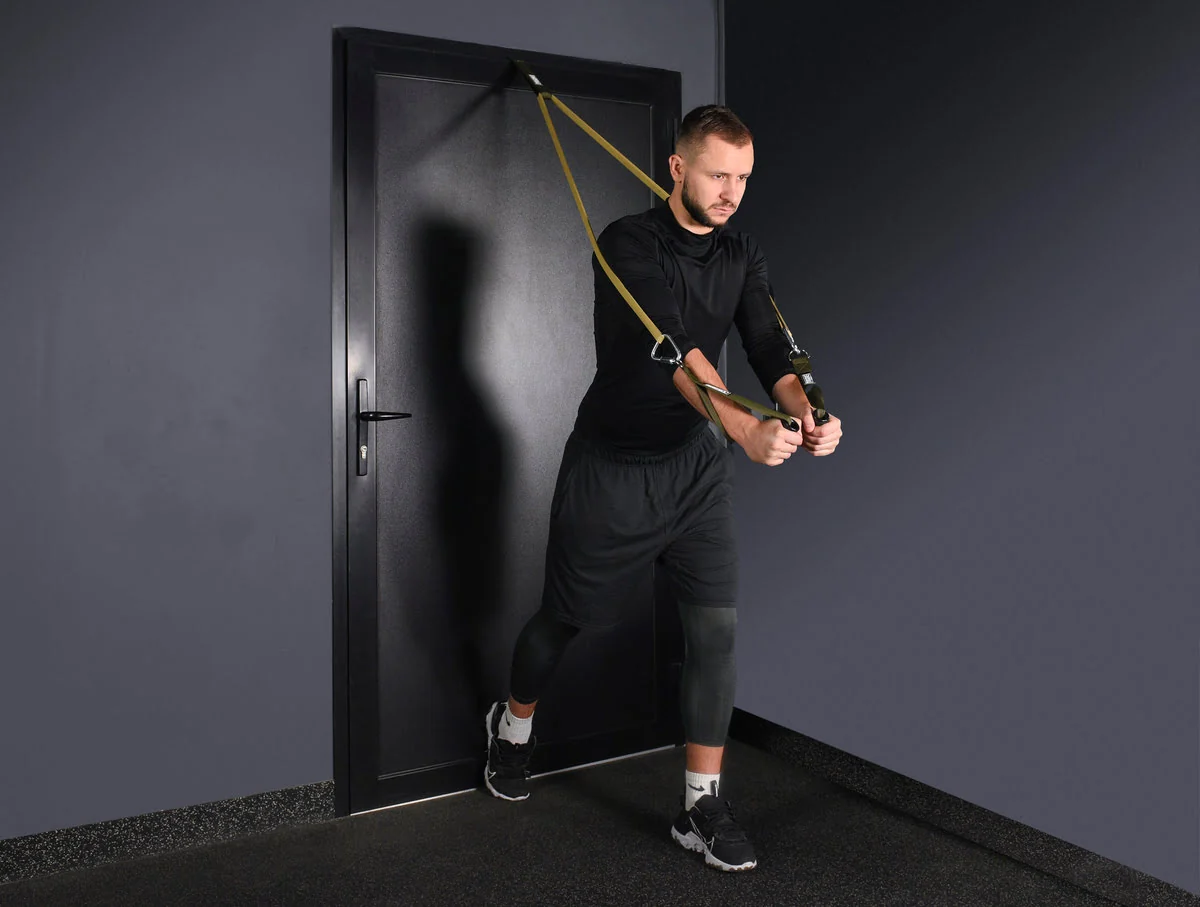
- Band progression is usually smoother. You can switch to a slightly heavier band or increase tension by stepping farther from the anchor.
If you want the easiest path to measurable week-to-week progression at home, bands often have an edge. If you want the simplest setup with zero equipment and maximum convenience, bodyweight is hard to beat.
Muscles each option targets best at home
Where bodyweight shines
- Core stability: planks, dead bugs, side planks, bear holds
- Leg strength: squats, lunges, split squats, step-ups
- Push strength: wall or incline push-ups, push-ups, pike push-ups
- Conditioning: brisk circuits, mountain climbers, squat to stand patterns
Where bands shine
- Back training: rows, pulldowns, face pulls
- Shoulder-friendly volume: lateral raises, external rotations
- Glute activation: lateral walks, glute bridge abductions
- Beginner-friendly arm work: curls, triceps pressdowns
One common gap in many bodyweight-only plans is enough pulling for the upper back. Bands fill that gap neatly.
Safety and injury risk
Common bodyweight pitfalls
- Going too deep too soon on squats or lunges without control
- Shoulder discomfort from push-ups done with shrugged shoulders or flared elbows
- Lower back arching during planks and glute bridges
Common band pitfalls
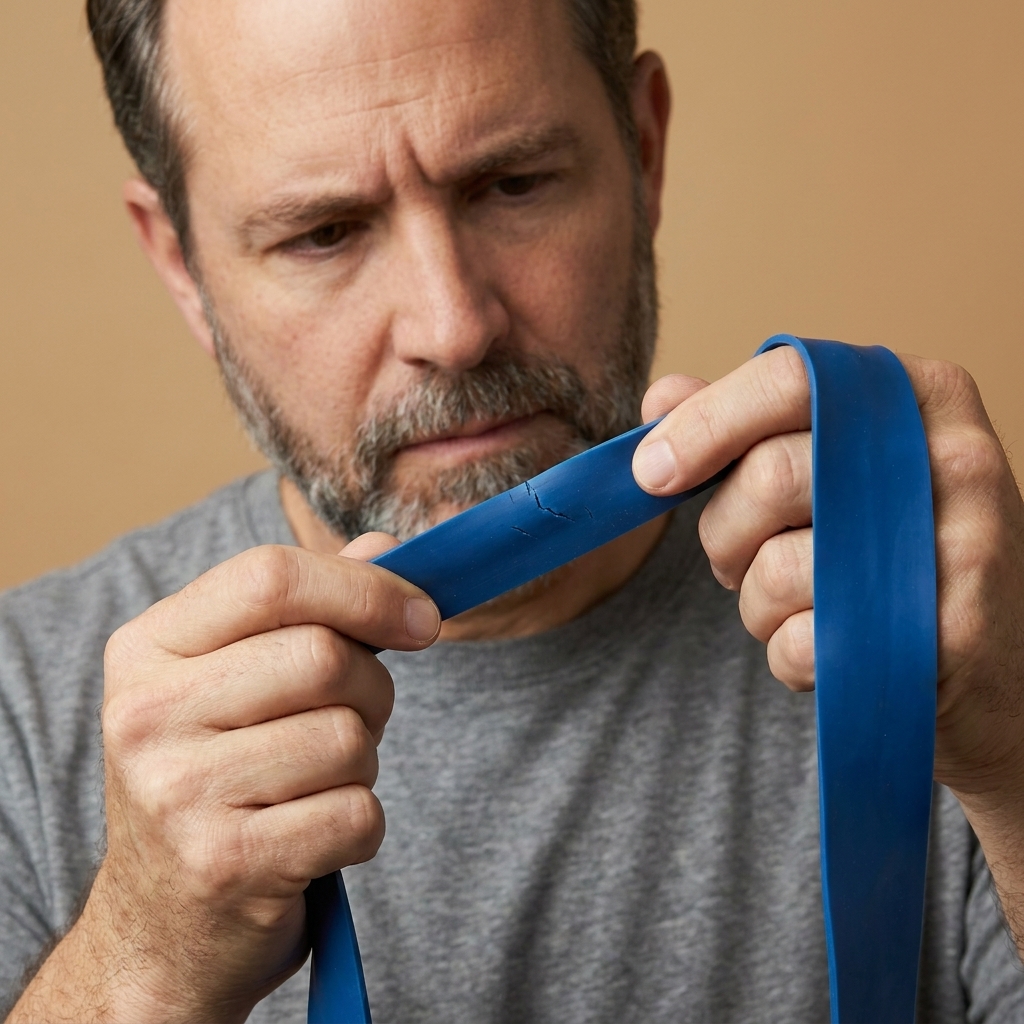
- Band snap risk from worn bands, sharp edges, or overstretching
- Anchor mistakes like using a door that can swing toward you under load
- Too much tension leading to sloppy reps or joint strain
Beginner safety rule I live by: if you cannot control the last two reps, the set is too hard right now. Choose an easier variation or lighter band and own the movement first.
Cost, space, and convenience
If you are busy and short on space, these practical details matter more than most people admit.
- Bodyweight: free, zero setup, travel-proof, no storage needed
- Bands: low-cost, very portable, add more exercise variety, need a tiny bit of setup and basic safety checks
If your biggest barrier is “I do not have time,” bodyweight removes the most friction. If your biggest barrier is “I get bored,” bands can help because you get more movement variety with minimal extra time.
Beginner decision guide
Start with bodyweight if you…
- Want the simplest plan with no equipment and no excuses
- Are rebuilding consistency after a long break
- Prefer straightforward moves you can do anywhere
- Get overwhelmed by gear choices
Start with resistance bands if you…
- Want to train your back and posture more completely at home
- Like having smaller difficulty steps as you get stronger
- Need joint-friendly strength work that is easy to scale
- Enjoy having more exercise options without buying weights
Start with both if you…
- Want the best of both with minimal added complexity
- Like bodyweight for legs and core, but want bands for pulls and shoulders
- Are motivated by variety, but still want a repeatable plan
Two simple 20-minute starter plans
These are meant to be repeated. Do either plan 3 days per week for 3 to 4 weeks. Add a little difficulty each week by adding 1 to 2 reps per set, slowing your tempo, or reducing rest by 10 to 15 seconds.
Plan A: Bodyweight-only
Warm-up (3 minutes): march in place, arm circles, hip hinges, gentle bodyweight squats.
Quick form cue: exhale as you stand or press, keep ribs down, and brace like you are about to cough.
Circuit (repeat 3 rounds)
- Chair squat: 8 to 12 reps
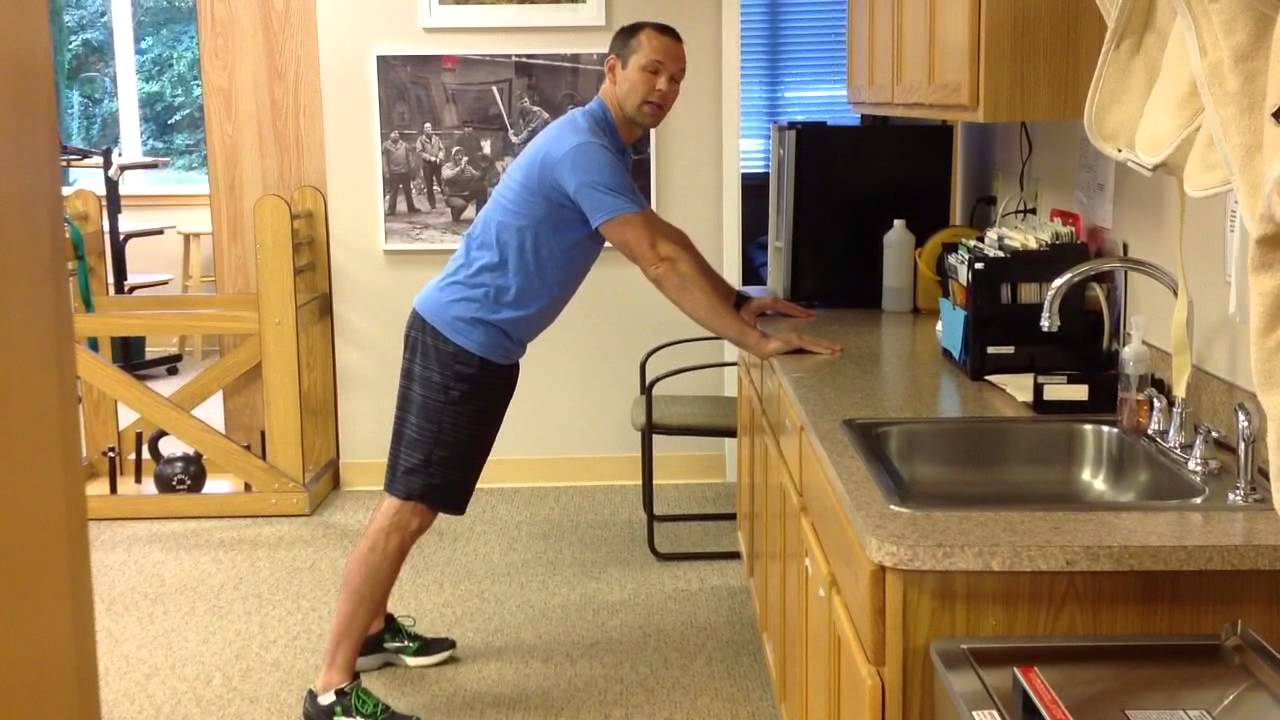
- Incline push-up (hands on counter or sturdy table): 6 to 12 reps
- Glute bridge: 10 to 15 reps
- Dead bug: 6 to 10 reps per side
- Standing calf raise: 12 to 20 reps
Rest: 45 to 75 seconds between rounds.
Plan B: Bands-first strength
Warm-up (3 minutes): shoulder rolls, hip hinges, easy band pull-aparts with light tension.
Quick form cue: keep shoulders down and back. Think “neck long” and “shoulder blades in your back pockets” before you pull or press.
Supersets (do each pair 3 rounds)
Superset 1
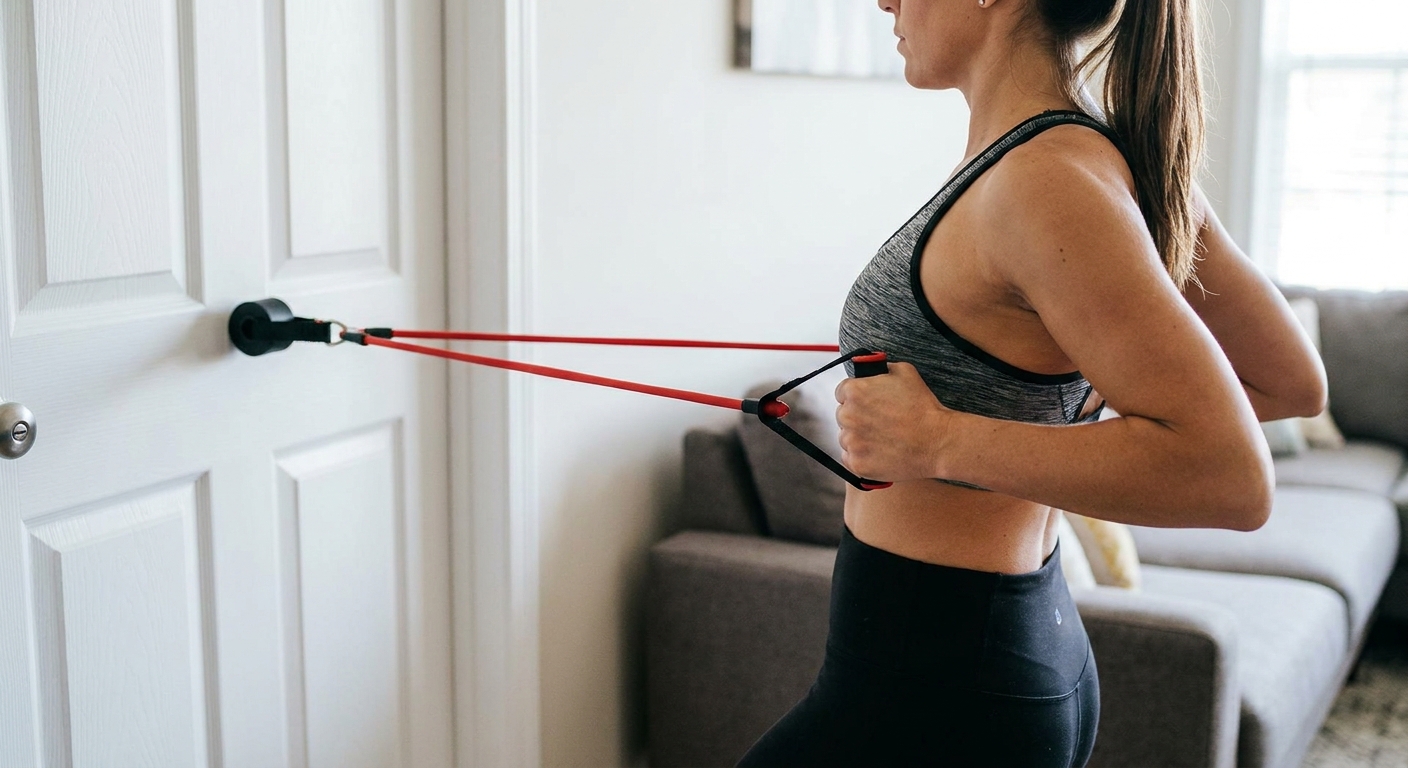
- Band row (anchored at chest height): 10 to 15 reps
- Bodyweight squat: 10 to 15 reps
Superset 2
- Band chest press (anchored behind you): 8 to 12 reps
- Band pull-apart (light tension): 12 to 20 reps
Finisher
- Mini band lateral walk: 8 to 12 steps each direction, repeat twice
Rest: 45 to 60 seconds between rounds.
How to progress without burning out
When I was a stressed-out project manager trying to fix everything overnight, my biggest mistake was treating workouts like punishment. What worked was treating them like a daily toothbrush habit. Here is a progression method that keeps you consistent.
- Week 1: Keep 2 to 3 reps in the tank on every set. Focus on form and finishing the workout feeling capable.
- Week 2: Add 1 to 2 reps per exercise or one extra round if time allows.
- Week 3: Slightly reduce rest, slow down your lowering phase to 3 seconds, or move to a slightly harder variation.
- Week 4: Repeat Week 3 and aim for smoother, cleaner reps, not more suffering.
If motivation is shaky, your best upgrade is not a harder plan. It is a plan you can repeat even on a busy day.
What to buy if you choose bands
You do not need a complicated setup. For most beginners, this is plenty:
- 1 long loop band (light to medium) for rows, presses, and pulldowns
- 1 mini loop band (light to medium) for glute work and lateral walks
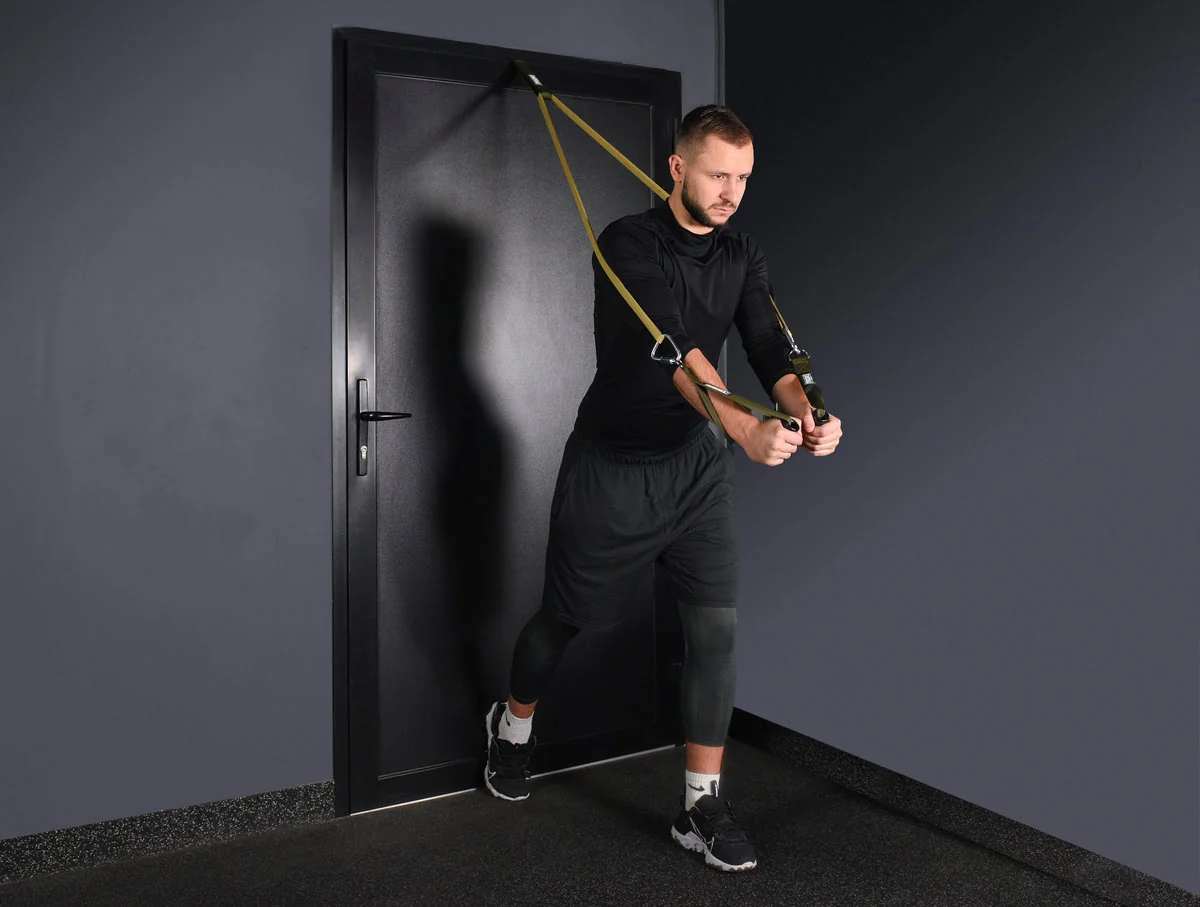
- 1 door anchor with a soft fabric stop so it does not damage the door
How to choose tension: band labels vary by brand, so do not overthink the color. Pick a tension that lets you finish each set with about 2 reps in reserve, with clean form and no twisting.
Door anchor safety checklist: inspect bands for cracks, and set the anchor so the door is pushed into the frame by your pull. In other words, place the anchor on the side opposite where you stand so you are not pulling the door open toward you. Keep your face and body out of the direct line of tension.
No door anchor option: you can loop a band around a heavy, immovable table leg, a sturdy railing, or another fixed anchor point that will not slide. If you cannot anchor safely, skip the setup and stick with bodyweight plus floor work until you can.
FAQ
Can I build muscle with bodyweight only?
Yes, especially as a beginner. The key is progressive overload through harder variations, slower tempo, more total reps, or more sets. Eventually, some people outgrow bodyweight pushing and leg work at home unless they add load. Many never need to outgrow it to be healthy, strong, and leaner.
Are resistance bands enough to get toned?
Bands can absolutely build strength and muscle, which is what most people mean by toned. Pair that with a simple nutrition routine and regular walks, and bands are more than enough for noticeable change.
What is better for weight loss?
Neither tool is magic for fat loss. The best choice is the one that helps you train consistently and move more overall. For many beginners, a realistic combination looks like 3 strength sessions per week plus daily walking.
What if I have knee or shoulder pain?
Start with the easiest, most controlled variations and stay in a comfortable range of motion. Bands can be gentler for some shoulders, and chair-supported squats can be kinder on knees. If pain is sharp, worsening, or persistent, it is worth checking in with a qualified clinician.
My recommendation for most beginners
If you want my coach-in-your-corner answer: start with bodyweight as your foundation, then add one band as your missing piece for back training. That combo covers the most common home workout gaps without adding much complexity.
And if you only pick one today, pick the one you will do three times this week. Consistency beats intensity, every time.