A quick, no-equipment full-body routine that fits any schedule. Includes warm-up, circuit, cool-down, and beginner-friendly modifications.
Home Pulse Fit
•
home workouts and fitness
Simple 5-Minute Warm-Up for Beginner Home Workouts
A simple 5-minute warm-up you can do at home to loosen joints, raise your heart rate, and prep your muscles before a beginner workout, with easy modifications, footwear tips, and safety notes.

Marcus Thorne
Marcus Thorne is an NASM-certified personal trainer and the creator behind Home Pulse Fit. After successfully transforming his own health using only bodyweight routines in his small apartment, he left his demanding corporate career to help others do the same. Today, he is dedicated to making fitness accessible, sustainable, and entirely gym-free for busy beginners.
Published
October 18, 2026
Updated
October 18, 2026
If you are working out at home, the warm-up is not the “extra” part. It is the part that makes everything else feel better. When I first started training in my tiny apartment, I used to skip warm-ups because I wanted to “get to the real workout.” That usually meant stiff squats, tight shoulders, and a session that felt harder than it needed to.
This 5-minute routine is the one I wish I used from day one. It is beginner-friendly, living room-friendly, and it hits the big goal of a warm-up: gently raise your temperature, move your joints through comfortable ranges, and wake up the muscles you are about to use.
Quick safety note: If you have an acute injury, unexplained swelling, significant joint pain, dizziness, numbness or tingling, or you are pregnant and unsure what is appropriate for you, check with a clinician or qualified trainer first. If anything feels sharp or “not right,” stop. If symptoms persist or worsen, get medical advice.
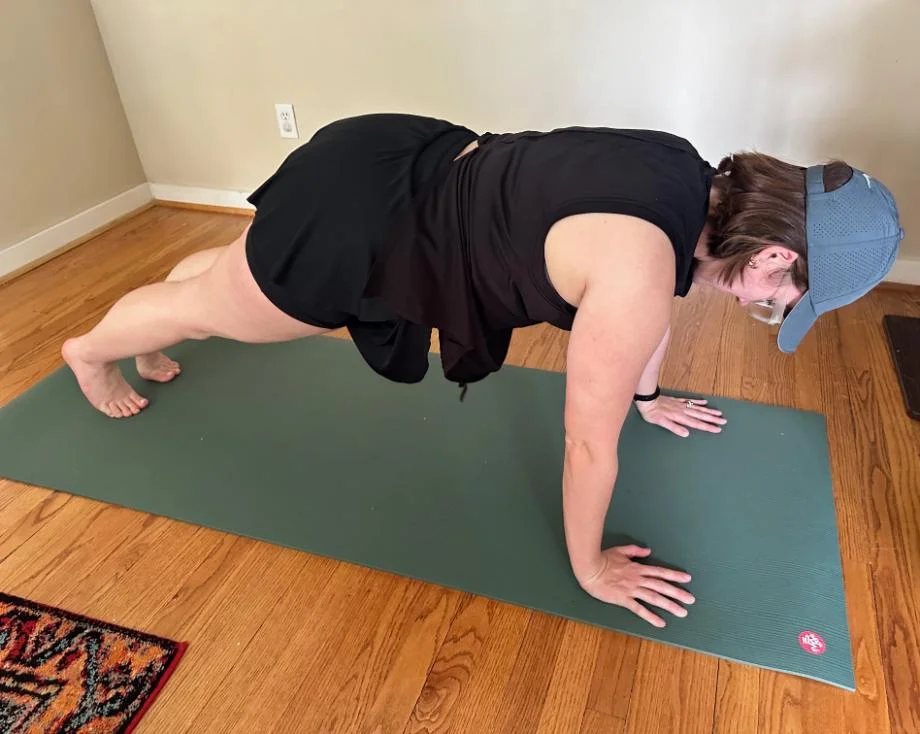
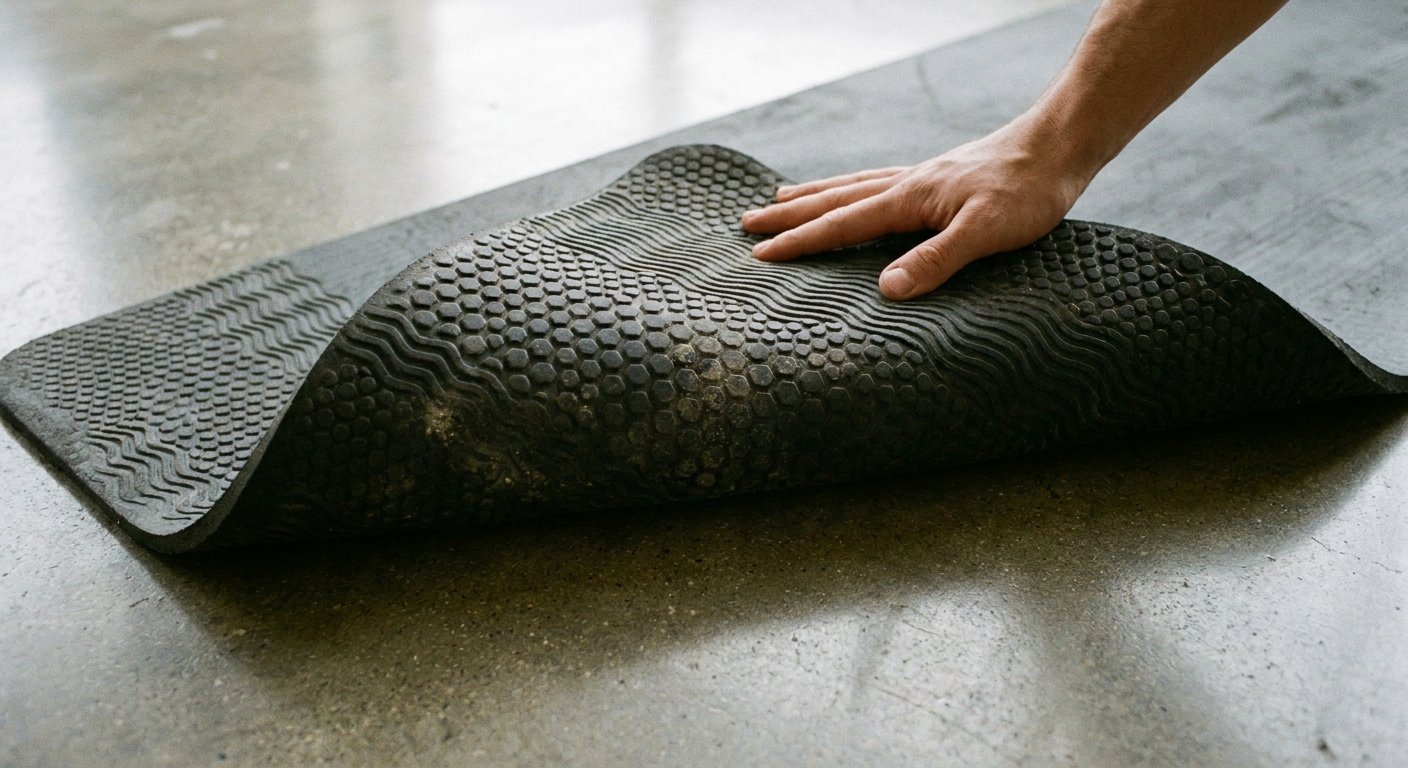
Before you start: Clear a small area, move cords and clutter, and keep pets out of the way. If you do not have a mat, a towel on carpet can work.
Footwear and surface: If you are on slippery hardwood or you tend to slide in socks, wear supportive shoes or go barefoot if you feel stable. Prioritize traction over what looks “right.”
What this warm-up does
A good warm-up should make you feel:
- Warmer: slightly elevated breathing and heart rate.
- Looser: joints moving more freely with less stiffness.
- More coordinated: your body remembers the patterns you are about to train.
This routine focuses on dynamic stretching, meaning you move in and out of positions instead of holding long, passive stretches. For many beginner strength and cardio sessions, dynamic moves are often a good fit because they help you feel prepared and alert. For some people, long passive holds right before strength or power work can feel a little less “snappy,” but it is individual and context matters. If a coach or clinician has you doing something specific, follow that plan.
Who it is for: general beginners doing home strength or cardio. Who it is not for: it is not a rehab plan. If you are coming back from an injury, you may need a more specific warm-up.
A simple 5-minute warm-up
How to use this: Set a timer for 5 minutes and move through the sequence below. Aim for smooth, controlled reps and keep moving for the full minute in each section. Nothing should hurt. Mild stiffness is normal. Sharp pain is not.
0:00 to 1:00 | March in place with arm swings
Do: March in place. Swing your arms forward and back like you are speed-walking.
Time: Keep moving for the full minute.
Key cues:
- Posture: stand tall, ribs stacked over hips.
- Intensity: light to moderate. You should feel warmer by the end.
Modify: If you feel your lower back arching, shorten your arm swing and tighten your abs slightly.
1:00 to 2:00 | Cat-cow and thoracic reach
This is one of my favorite desk-day resets. It warms up your spine, upper back, and shoulders.
Do:
- Get on hands and knees.
- Cat: gently round your back and exhale.
- Cow: gently arch your back and inhale.
- Then add a thoracic reach: from hands and knees, slide one hand behind your head and rotate your chest open, then return.
Time: 3 to 4 cat-cows, then 3 reaches per side. Keep moving slowly until the minute is up.
Key cues: Keep your hips mostly still during the reach so the motion comes from your upper back, not your lower back.
Modify: If getting down to the floor is not an option today, do standing thoracic rotations instead. Stand tall, cross your arms over your chest, rotate gently side to side, and keep your hips facing forward.
2:00 to 3:00 | Hip hinges and ankle rocks
Most home workouts include squats, lunges, or glute work. This minute preps your hips and ankles so your lower body moves more smoothly.
Do: 30 seconds of hip hinges, then 30 seconds of ankle rocks. Move continuously. No need to rest between A and B.
Time: 30 seconds per move.
Key cues: Keep the intensity easy. This should feel like prep, not a workout set.
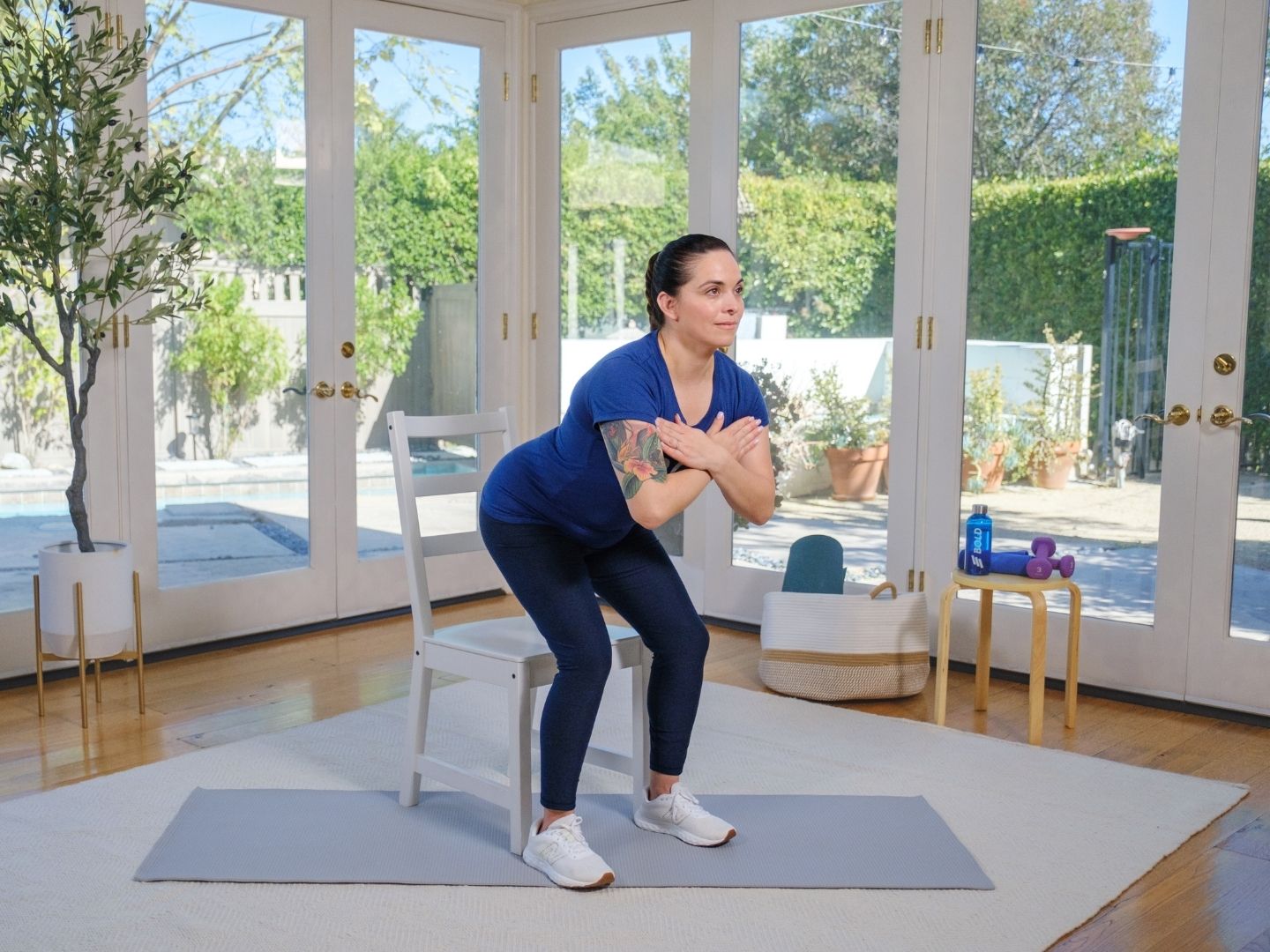
Modify: Use a wall or chair for balance anytime.
A) Hip hinge (30 seconds)
Do:
- Stand with feet about hip-width.
- Soft knees.
- Push hips back like you are reaching your hips toward the wall behind you.
- Feel a stretch in hamstrings, then stand tall and squeeze glutes lightly.
Key cues: Keep your spine long and your weight balanced through the whole foot.
Modify: If your hamstrings feel very tight, shorten the range and keep the knees a bit softer.
B) Ankle rocks (30 seconds)
Do:
- Hold a wall or chair for balance.
- Step one foot back.
- Bend your front knee forward toward your toes as tolerated, keeping your front heel down.
- Switch sides halfway through.
Key cues: Keep the front heel heavy and move slowly enough to stay controlled.
Modify: If balance is shaky, keep both hands on the chair and reduce the range.
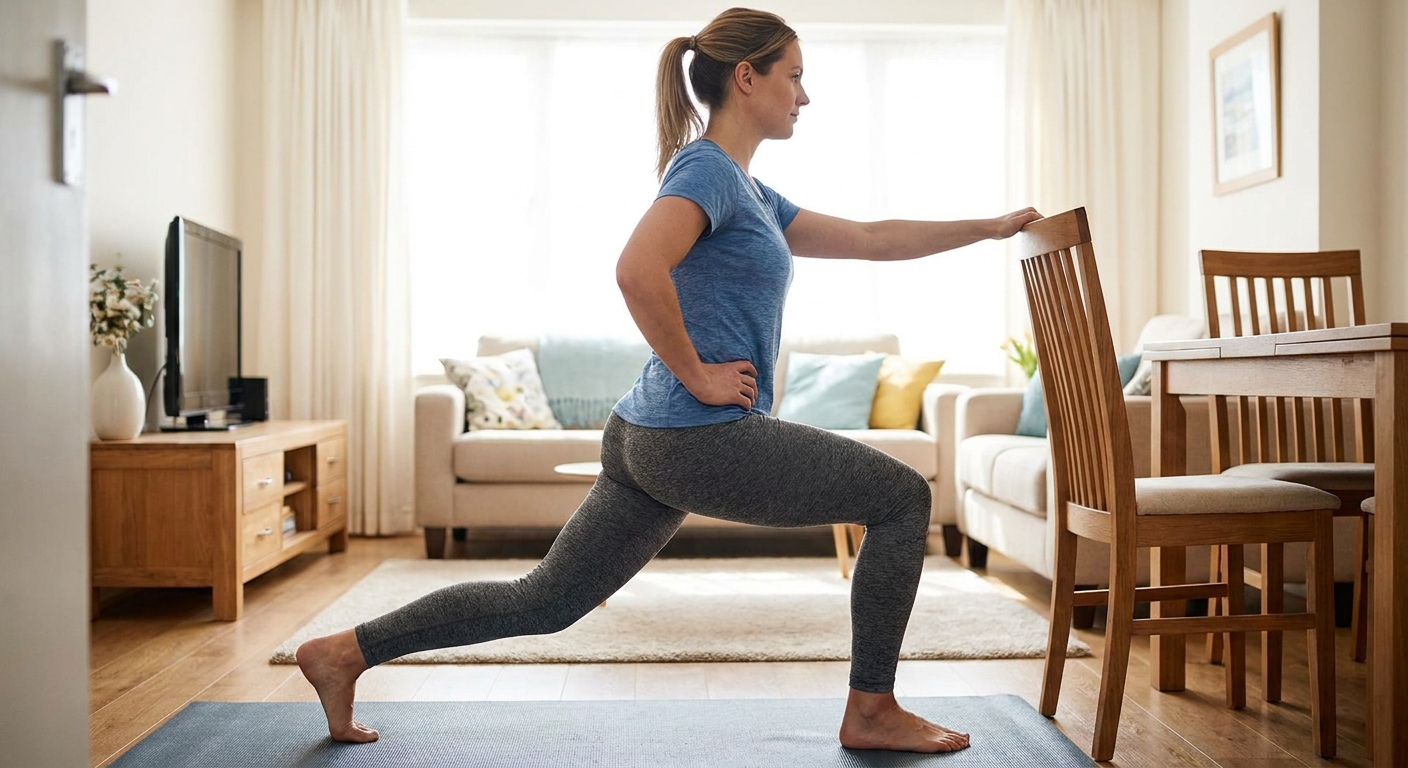
3:00 to 4:00 | Reverse lunge with reach
This warms up quads, glutes, hip flexors, and also gets your core involved.
Do:
- Step one foot back into a comfortable reverse lunge.
- As you lower, reach both arms up overhead.
- Step back to standing and switch sides.
Time: 4 to 6 per side, or continuous easy reps for the full minute.
Key cues: Stay tall, and keep the front foot planted.
Modify: Shorten your stance and do a smaller bend in the knees. For balance, keep fingertips on the back of a chair.
If your knees feel irritated: do a split-stance mini lunge (tiny range), or simply step back and return to standing without going deep.
4:00 to 5:00 | Inchworm to plank shoulder taps
This final minute connects your whole body and gently wakes up your shoulders and core.
Do:
- Stand tall, then hinge forward and place hands on the floor (bend knees as needed).
- Walk hands out to a high plank.
- Tap one shoulder, then the other, keeping hips as steady as you can.
- Walk hands back and stand up.
Time: 2 to 3 slow inchworms total, with 4 shoulder taps each time you hit plank.
Key cues: Think slow and steady, not rushed.
Modify: Super beginner option: skip the taps and just hold plank for 5 seconds.
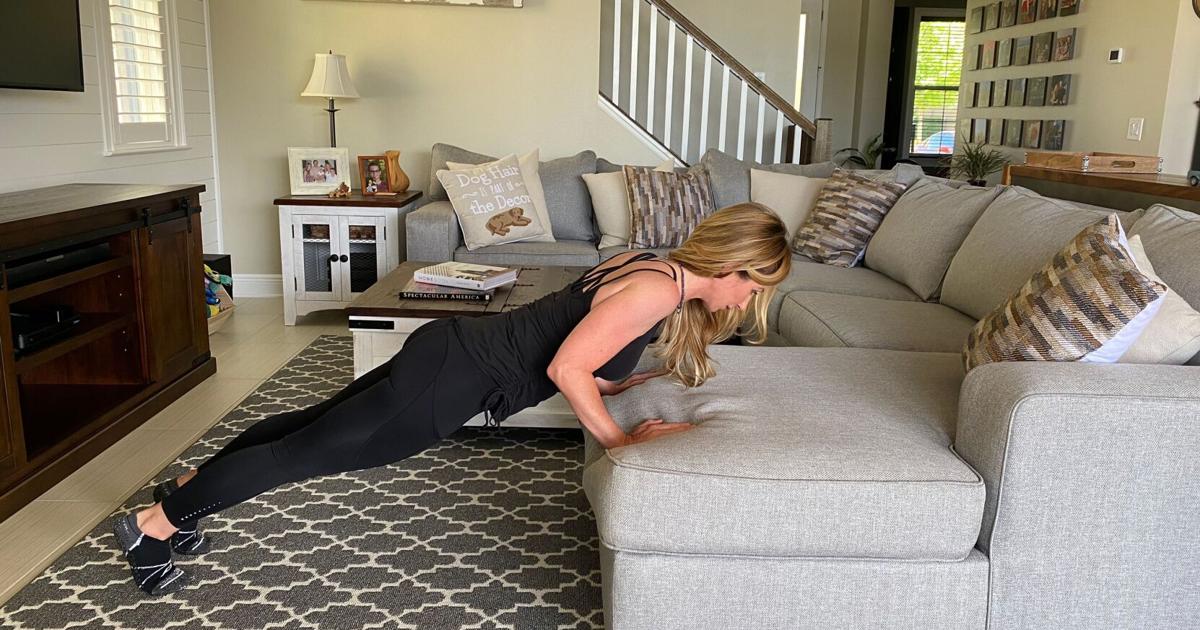
If your wrists dislike planks: do the walkout with hands on a couch or sturdy chair, or do shoulder taps from a wall plank.
If your hamstrings or low back feel tight: bend your knees more, keep the walkout shorter, or do the whole thing elevated with hands on a couch.
Match it to your workout
This 5-minute routine works well for many beginner sessions. If you are older, it is cold in your space, you have old aches that need extra time, or you are about to do a higher-intensity workout, you may feel better with 8 to 12 minutes. The simplest way is to repeat the section that feels most stiff.
If you want to make it feel more tailored, use these quick tweaks:
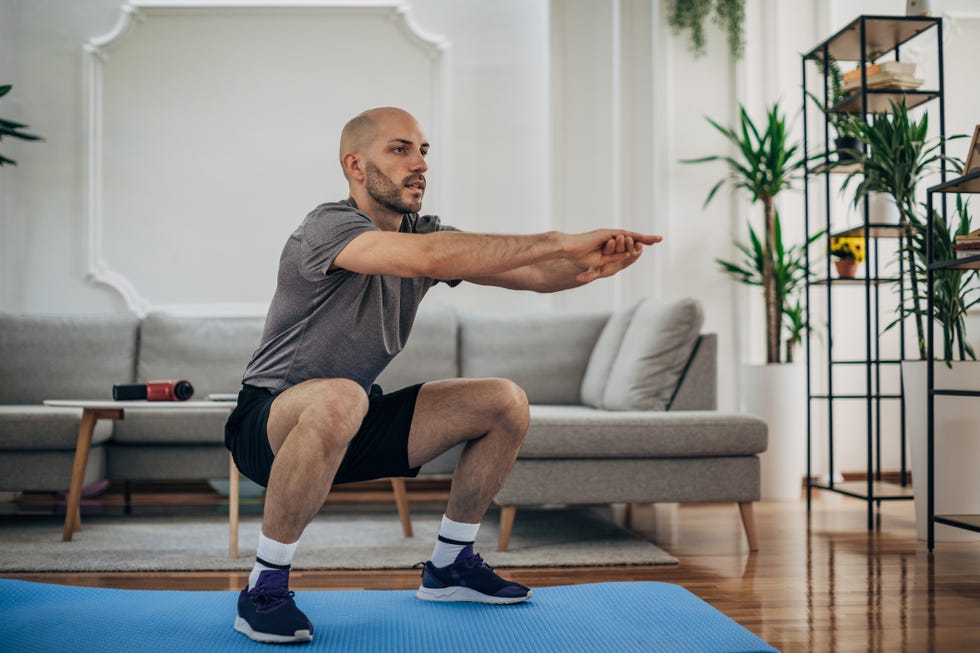
- If your workout is lower body heavy (squats, lunges): add 20 seconds of bodyweight squats at the end, slow and controlled.
- If your workout is upper body heavy (push-ups, planks): add 20 seconds of wall push-ups or scapular push-ups in plank.
- If your workout is cardio focused (low-impact HIIT): make the first minute a faster march or gentle jog in place.
Quick form cues
- Stay in a pain-free range. A warm-up is not a flexibility test.
- Breathe the whole time. If you are holding your breath, you are pushing too hard.
- Move smoothly. Jerky reps and bouncing usually mean you are rushing.
- Choose control over depth. Especially on lunges and hinges.
Common questions
Should I stretch before a workout?
Often, yes. Think dynamic stretching and mobility before training. In many cases, longer, relaxing holds fit better after your workout or in a separate flexibility session, especially before strength or power work. If your warm-up plan calls for longer holds, or your sport has specific flexibility needs (for example, certain forms of dance or martial arts), follow that guidance.
Is 5 minutes really enough?
For many beginner home workouts, yes. If you feel stiff or sore, you have been sitting all day, you are training in a cold room, or you are ramping intensity up, take 8 to 12 minutes by repeating the sections that help the most.
What if I am super tight in the morning?
Start even gentler. Do the first minute as an easy march, then take extra time on cat-cow and ankle rocks. Your goal is “better than before,” not perfect.
Do I need equipment?
No. A yoga mat is nice but optional. A wall or chair can help with balance on ankle rocks and lunges. A couch or sturdy chair is also useful if you want an elevated option for the inchworm and plank.
Your warm-up rule
If you only remember one thing, make it this: show up and get warm on purpose. Five minutes done consistently can make workouts feel smoother, safer, and more sustainable. And on the days you feel extra stiff, give yourself permission to take a few more minutes. Your first set should feel like practice, not punishment.