A clear, beginner-friendly breakdown of core bracing: what to feel, what to avoid, and how to use quick cues to stabilize your midsection in any home exercise.
Home Pulse Fit
•
home workouts and fitness
How to Breathe Correctly During Bodyweight Exercises
Learn exactly when to inhale and exhale during push-ups, squats, planks, and more. Use breathing to boost power, support your core, and reduce fatigue in home workouts.

Marcus Thorne
Marcus Thorne is an NASM-certified personal trainer and the creator behind Home Pulse Fit. After successfully transforming his own health using only bodyweight routines in his small apartment, he left his demanding corporate career to help others do the same. Today, he is dedicated to making fitness accessible, sustainable, and entirely gym-free for busy beginners.
Published
October 18, 2026
Updated
October 18, 2026
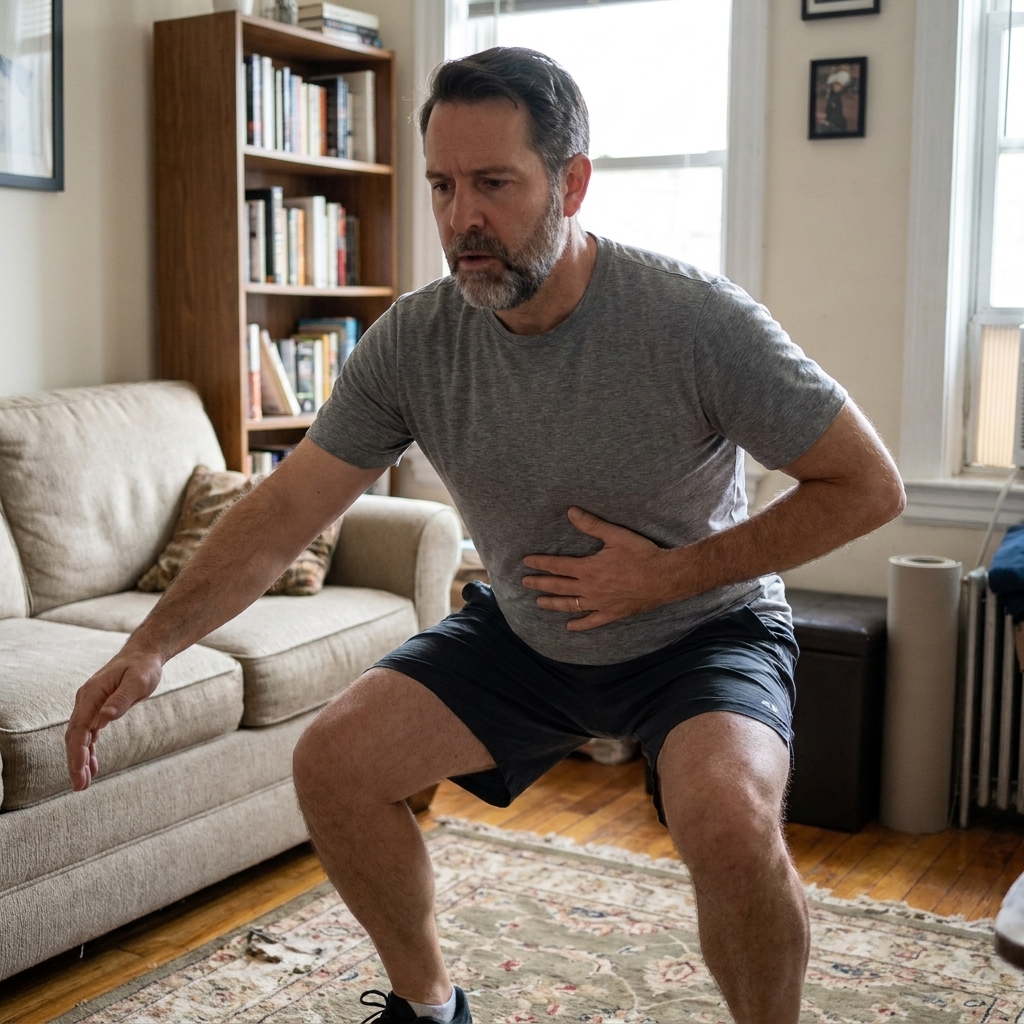
If bodyweight workouts ever make you feel oddly winded, shaky, or like you “hit a wall” way too fast, there’s a good chance your muscles are not the only thing working hard. Your breathing might be fighting you instead of helping you.
I used to hold my breath without realizing it, especially during push-ups and squats. In my tiny apartment workouts, that meant I’d gas out early, my neck would tense up, and the whole set felt harder than it needed to be. Once I learned when to inhale and exhale, everything got smoother: more control, more power, less panic.
Let’s break down the biomechanics in plain language and then get super practical with exact breathing cues for the most common home exercises.
Why breathing matters
Breathing during exercise is not just about getting oxygen. It also affects:
- Core stability: Your diaphragm (main breathing muscle) works with your deep core to help stabilize your spine.
- Power output: A well-timed exhale can help you produce force and move more smoothly.
- Blood pressure spikes and dizziness: Holding your breath too long can create a big internal pressure jump that can leave beginners lightheaded. Dizziness can also come from standing up quickly, dehydration, or simply pushing too hard.
- Premature fatigue: Shallow, rushed breathing can make your heart rate feel out of control faster than necessary.
Think of your breath like a metronome and a brace. It sets the rhythm and supports your trunk while your arms and legs do the work.
The simple default rule
If you only remember one cue, make it this:
For most bodyweight reps, exhale during the hardest part (the effort) and inhale during the easier part (the return).
This works because an exhale can help your ribcage come down and your core tighten more naturally, which often gives you a sturdier “platform” to push from.
What counts as “effort”?
- Standing up from a squat
- Pushing the floor away in a push-up
- Pulling yourself up (if you do rows under a table or a pull-up bar)
- Driving hips up in a glute bridge
- Any moment you are resisting gravity the most
Two exceptions
- Isometric holds (planks, wall sits): there is no “return rep,” so you use steady, controlled breaths.
- Very heavy or advanced strength work: some lifters use a deliberate breath hold (Valsalva) to brace. As a busy beginner doing bodyweight training at home, you will usually feel better and train more safely by breathing continuously.
Diaphragm breathing, made simple
Most people “workout-breathe” by lifting their shoulders and sipping air into the upper chest. That tends to create neck tension and makes it harder to keep your ribs stacked over your pelvis.
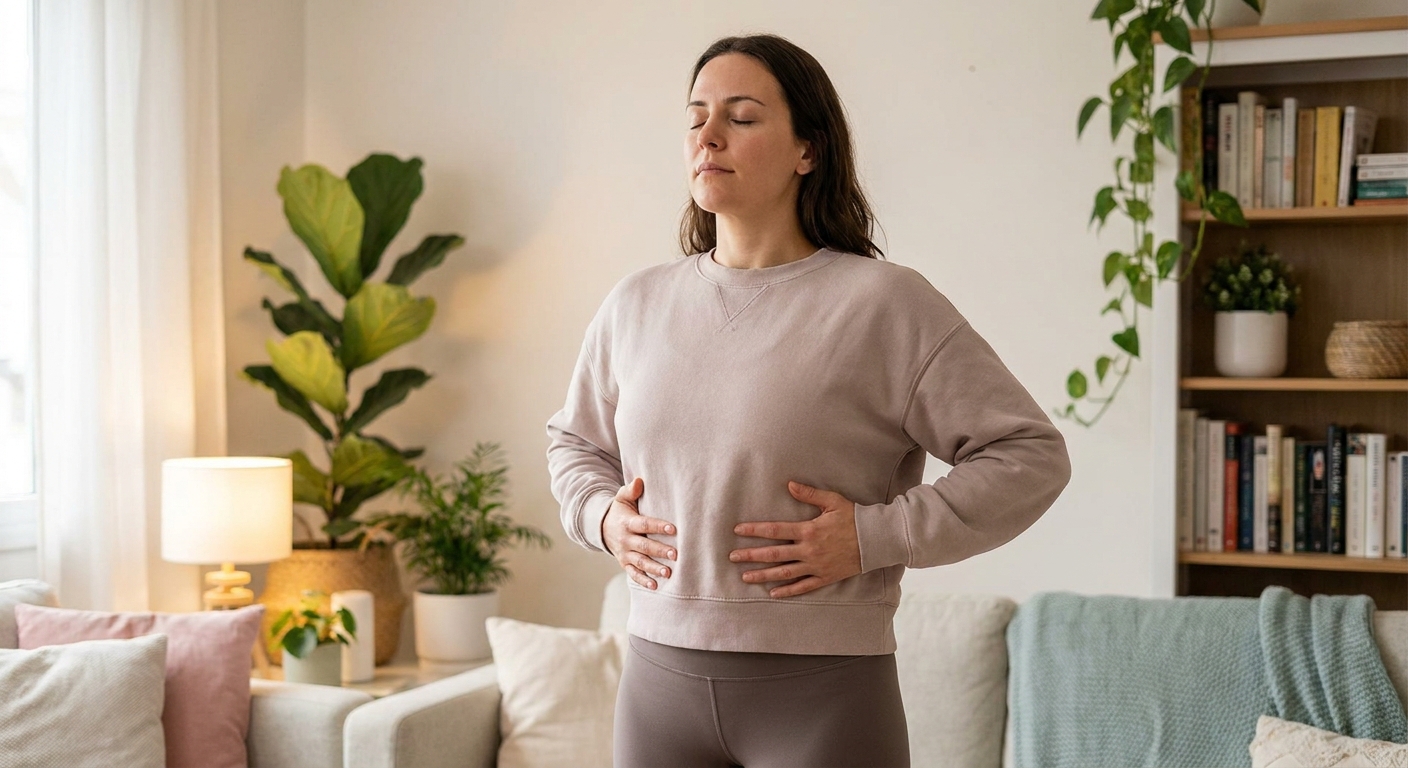
Instead, aim for 360-degree breathing. That means the breath expands your lower ribs in all directions, not just your belly forward.
Quick self-check (30 seconds)
- Stand tall and place your hands on the sides of your lower ribs.
- Inhale through your nose. Try to feel your ribs expand into your hands.
- Exhale slowly through gently pursed lips like you are blowing through a straw. Feel the ribs come down.
You are not forcing your belly out as far as possible. You are building a strong, controlled breath that supports movement.
Breathing cues by exercise
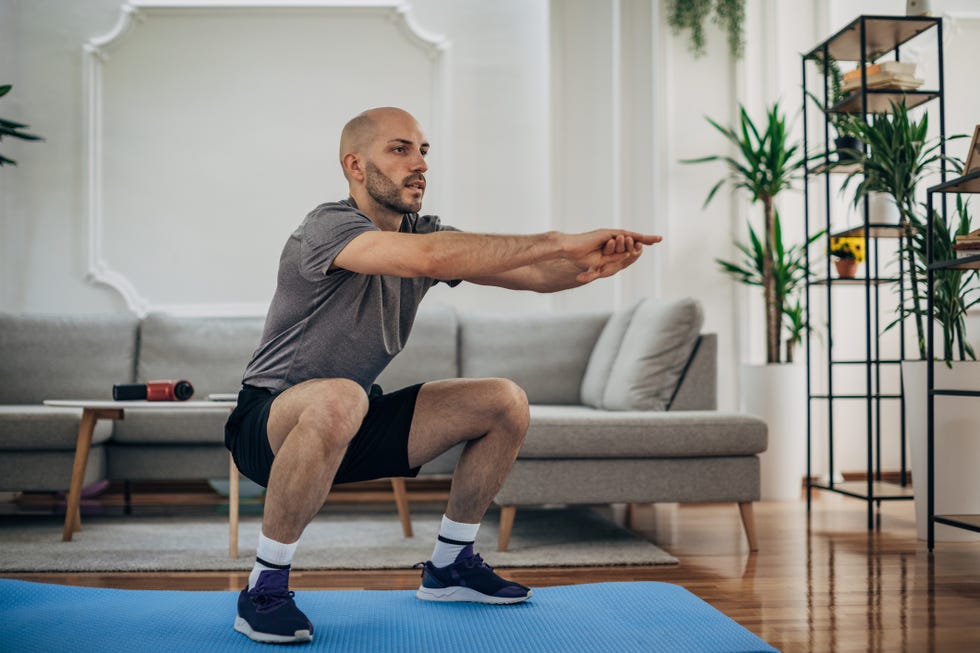
Bodyweight squat
- Inhale: on the way down (as you sit back and bend knees).
- Exhale: as you stand up (drive your feet into the floor).
Coach cue: “Breathe in to sit, breathe out to stand.”
Common mistake: holding your breath at the bottom and then rushing the stand. If you get stuck, start your exhale just before you drive up.
Lunge (forward or reverse)
- Inhale: lowering into the lunge.
- Exhale: pushing the floor away to return to standing.
Coach cue: “In down, out up.”
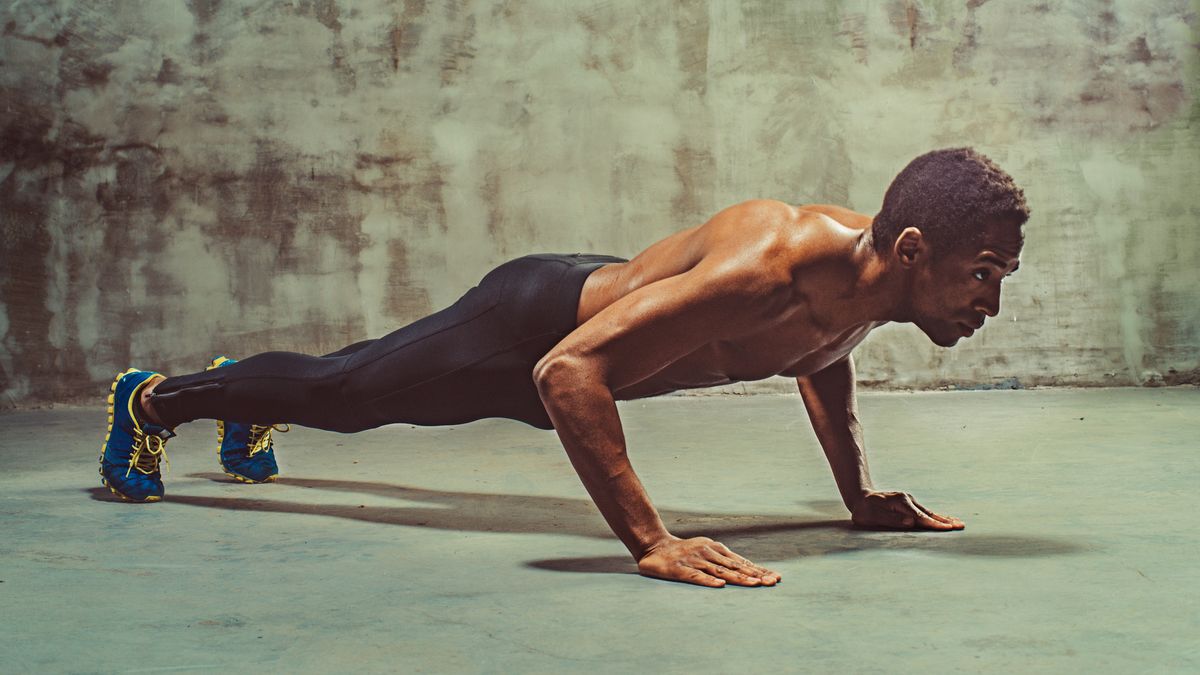
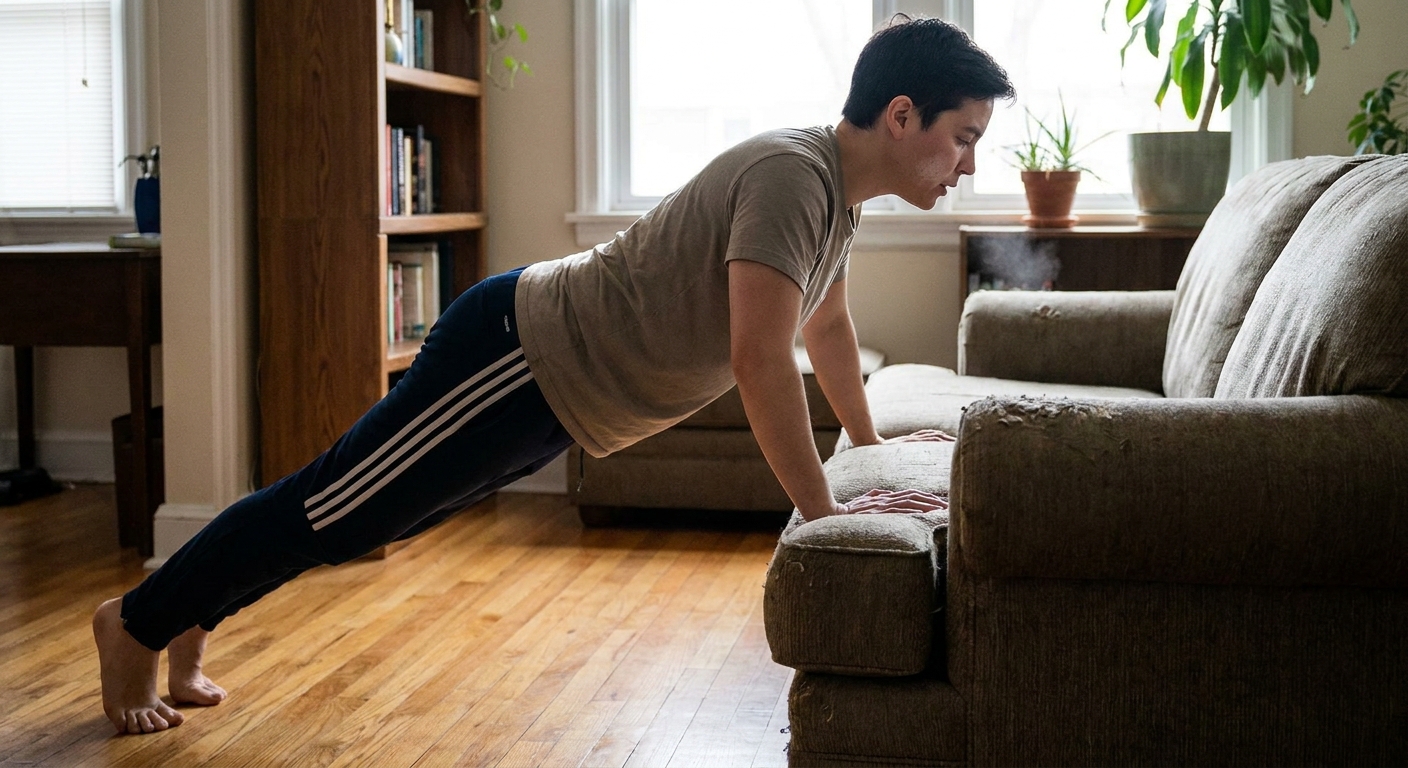
Push-up (incline, knee, or full)
- Inhale: as you lower toward the floor.
- Exhale: as you push the floor away.
Coach cue: “Breathe in as you descend, exhale as you press.”
Why it helps: exhaling on the press can encourage your ribs to stay down and your core to stay engaged so your hips do not sag.
Glute bridge
- Inhale: at the bottom before you lift.
- Exhale: as you lift hips up and squeeze glutes.
- Inhale: as you lower with control.
Coach cue: “Exhale to lift, keep the ribs down.”
Hip hinge / good morning (bodyweight)
- Inhale: as you hinge back (hips back, torso forward).
- Exhale: as you return to tall standing (drive hips forward).
Coach cue: “Inhale on the hinge, exhale to stand.”
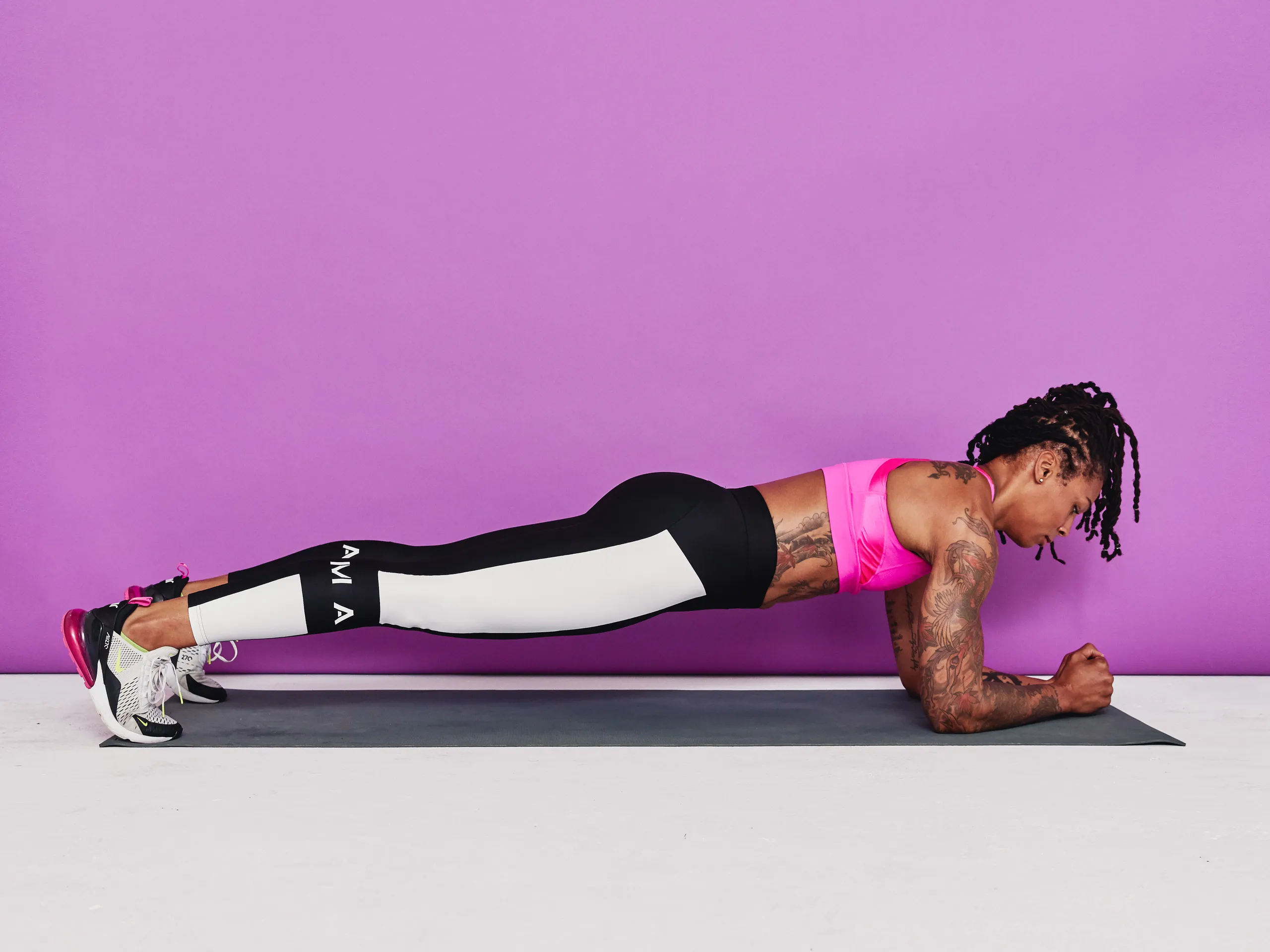
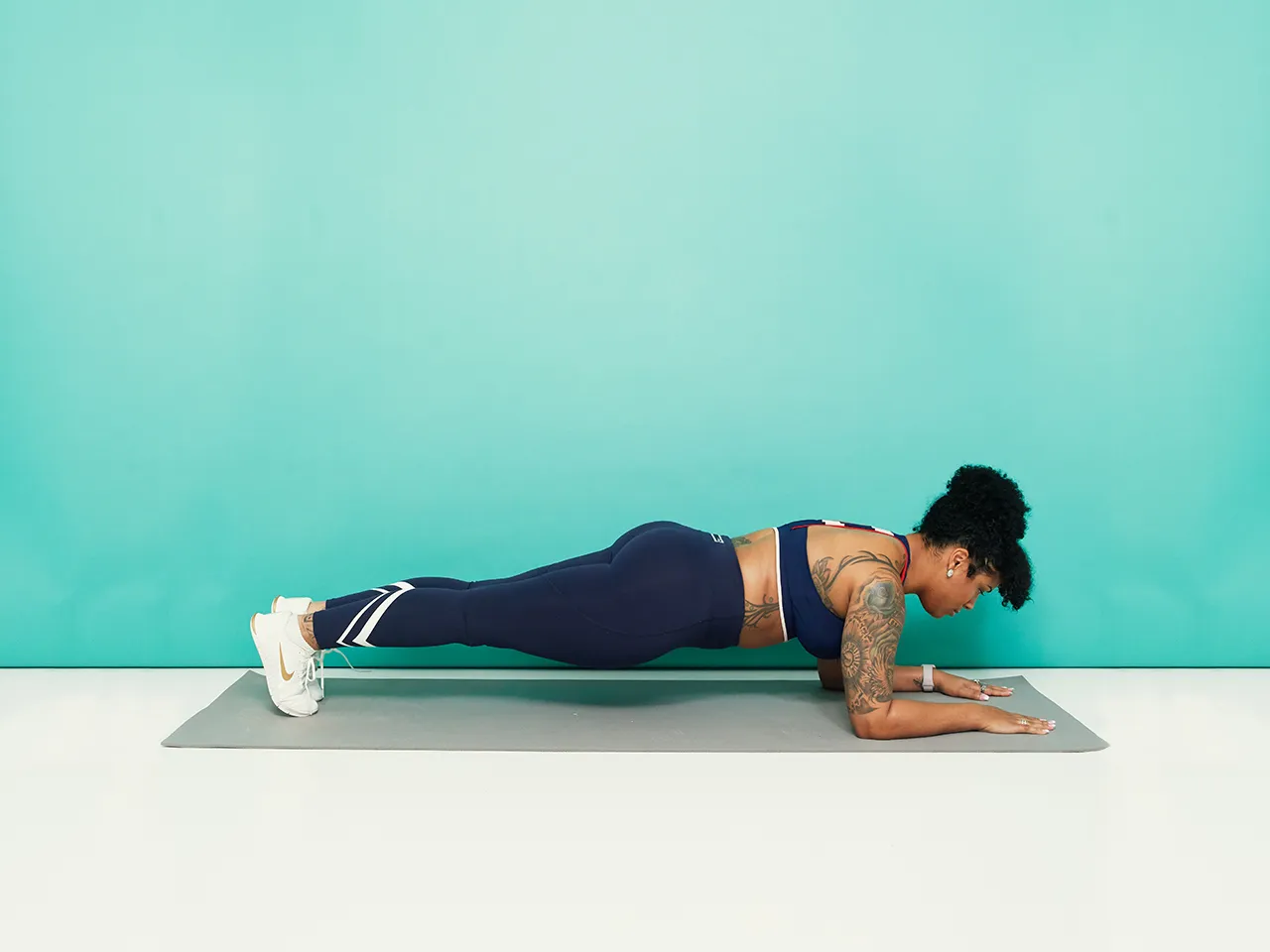
Plank (forearm or high plank)
Planks are where people either hold their breath or breathe so shallowly that their shoulders creep up.
- Breathe continuously: slow inhale through nose, slow exhale through mouth.
- Aim for: longer exhale than inhale (example: inhale 3 seconds, exhale 4 to 6 seconds).
Coach cue: “Quiet inhale, long exhale, ribs down.”
Mountain climbers
These are fast, so keep it simple and rhythmic:
- Option A: exhale every time one knee drives in, inhale as the legs switch.
- Option B: inhale for two knee drives, exhale for two knee drives.
Coach cue: “Make the exhale match the effort.”
Burpees
Burpees can feel chaotic. A breathing plan makes them less overwhelming.
- Inhale: as you drop down (hands to floor and feet back).
- Exhale: as you come up (stand and jump or stand tall).
Coach cue: “In down, out up.”
Brace without breath holding
A lot of beginners hear “brace your core” and accidentally interpret it as “lock everything down and stop breathing.” What you want is a firm midsection with a breathable pattern.
Try this during any rep
- Inhale softly through your nose before the rep starts.
- Keep that air as gentle support as you begin the movement.
- Exhale through the hardest part like you are slowly blowing out candles.
You should feel your abs turn on more during the exhale, not less.
If your form falls apart when you exhale
That usually means one of two things:
- You are dumping all your air at once. Make it a slow exhale.
- The exercise is too hard at your current level. Regress it. Example: do incline push-ups instead of floor push-ups.
When breathing feels off
You keep holding your breath
Fix: Count out loud softly during the effort, even just “one” on the push, “two” on the return. If you can talk, you are breathing.
You get dizzy when you stand up
Fix: Slow your tempo and stop bracing like you are lifting a refrigerator. Smooth inhale on the easier phase, steady exhale on the effort. Take 2 to 3 calm breaths between sets.
Your shoulders and neck feel tense
Fix: Breathe “lower.” Put one hand on your chest and one on your lower ribs for a few practice breaths. Aim to feel more movement in the lower hand.
You are winded before your muscles feel challenged
Fix: Slow your reps and extend the exhale. Most people rush the hard part and forget to finish the breath.
Breath-first scaling (for circuits)
If your breathing falls behind during high-rep sets, scale in this order:
- Slow down the reps before you change the exercise.
- Shorten the set (leave 1 to 2 reps in the tank) and take an extra 10 to 20 seconds.
- Reduce the difficulty (incline push-up, smaller squat range, step-back burpee).
Nose vs mouth breathing
Here’s an easy way to decide:
- Warm-ups and easy sets: nose inhale and nose exhale if it feels comfortable and you can get enough airflow.
- Moderate to hard sets: nose inhale, mouth exhale works great for most people.
- Very hard intervals: you may need mouth inhale and mouth exhale. That’s not failure. It is just intensity.
If you have nasal congestion, asthma, or another breathing condition, comfort and airflow needs win. The “best” breathing pattern is the one you can repeat consistently without stress.
A 2-minute breathing reset
If your workouts always start with you feeling tight, rushed, or anxious, this quick reset can help.
- Stand tall with feet hip-width apart.
- Inhale through your nose for 3 to 4 seconds, feeling your ribs expand.
- Exhale through your mouth for 5 to 6 seconds, feeling ribs come down.
- Repeat for 6 breaths.
Then carry that same long exhale into your first few reps. It is a simple way to start calmer.
FAQ
Should I ever hold my breath during bodyweight exercises?
For most beginners, no. Breath holding can spike pressure and make you feel dizzy, and it often increases tension in the neck and lower back. Build the habit of steady breathing first. Later, if you pursue heavier strength training, you can learn more advanced bracing strategies with proper coaching.
Why do I forget to breathe during push-ups?
Because push-ups feel like a full-body “threat” when you are new to them. Your nervous system tends to brace hard and freeze the breath. Use an incline push-up (hands on a couch or counter) and practice: inhale down, exhale up. Once the movement feels safer, breathing becomes automatic.
What if I can’t match one breath to one rep?
Totally normal, especially during high reps or fast exercises. Keep the principle: exhale during the hardest part. You can do one breath for every two reps, or take smaller quick breaths as long as you are not breath holding.
How can I tell if I’m breathing “into my belly” correctly?
You should feel your lower ribs expand, not just your belly pushing forward. A good sign is that your shoulders stay relaxed and your neck stays quiet. If you only feel your upper chest lifting, try slowing down your inhale and placing hands on the sides of your ribs for feedback.
When should I stop and get help?
Stop the set if you feel chest pain, fainting, severe shortness of breath that feels out of proportion, or dizziness that keeps happening even when you slow down and breathe steadily. If symptoms repeat, check in with a clinician. If you have high blood pressure, a heart condition, glaucoma, or you are pregnant, be extra cautious with straining and breath holding.
Take-home cues
- Exhale on effort. That is your power breath.
- Inhale on the easier phase. That sets you up for the next rep.
- Longer exhale equals more control. Especially for planks and shaky reps.
- If you can’t breathe smoothly, scale the move. Consistency beats intensity.
Next workout, pick just one exercise and practice breathing on purpose. Squats are a great place to start. Give it a week and you’ll notice the same set feels calmer, stronger, and less exhausting.