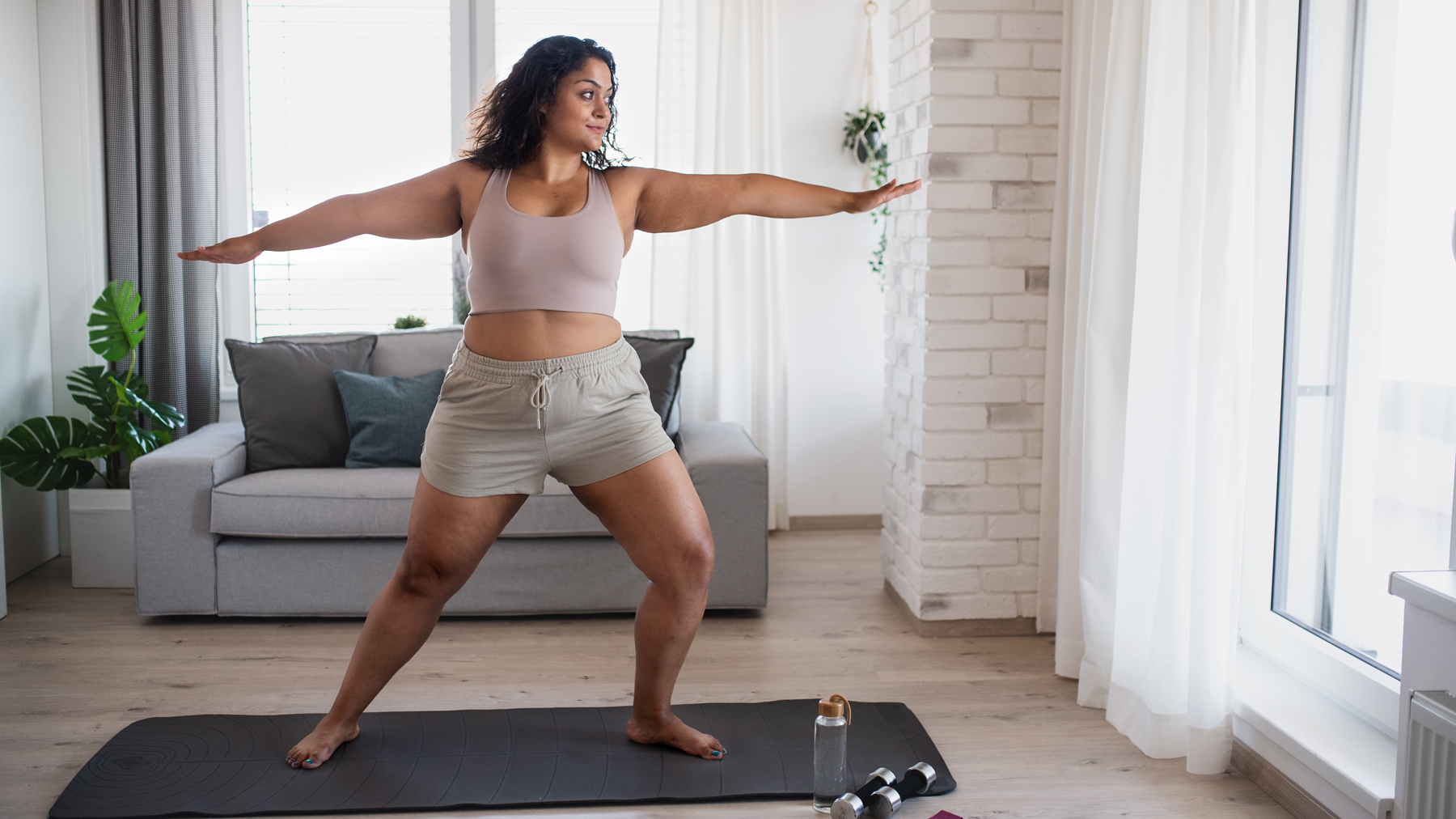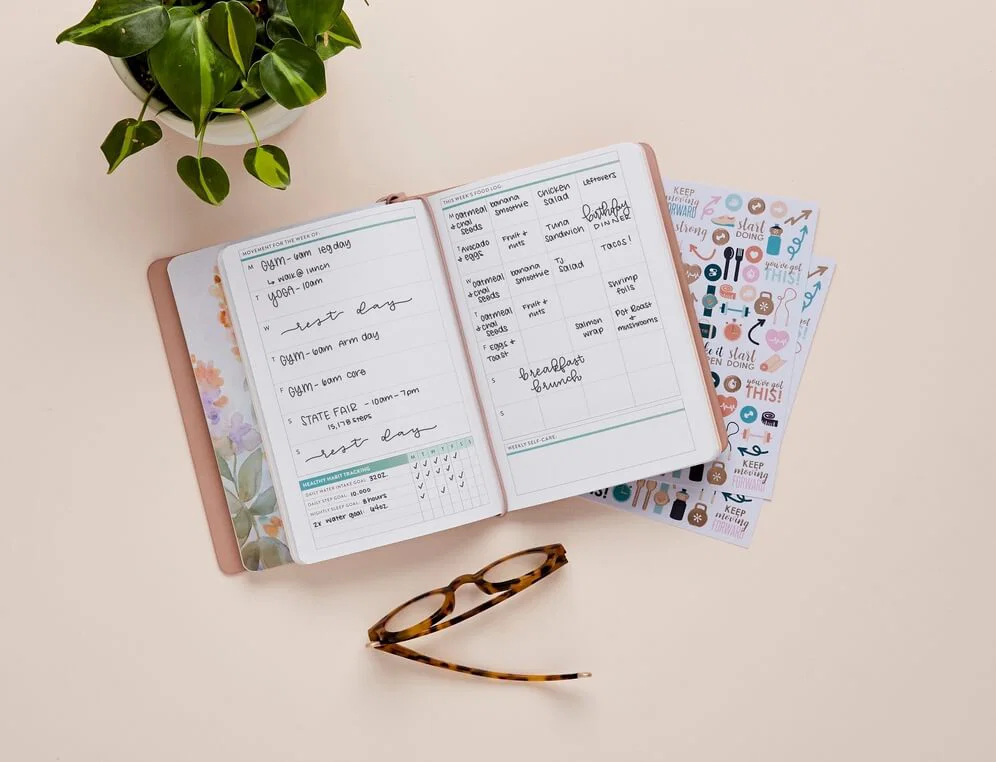
This quick, beginner-friendly warm-up uses easy mobility and dynamic moves to help you feel looser and more ready to train at home in about 5 minutes, with s...
Home Pulse Fit
•
home workouts and fitness
7 Dynamic Bodyweight Flow Routines for Flexibility and Mobility
Loosen stiff hips, shoulders, and spine with seven dynamic bodyweight mobility flows you can do at home in 10 to 20 minutes. Beginner-friendly, no equipment.

Marcus Thorne
Marcus Thorne is an NASM-certified personal trainer and the creator behind Home Pulse Fit. After successfully transforming his own health using only bodyweight routines in his small apartment, he left his demanding corporate career to help others do the same. Today, he is dedicated to making fitness accessible, sustainable, and entirely gym-free for busy beginners.
Published
October 18, 2026
Updated
October 18, 2026
If you feel stiff getting off the couch, creaky going down stairs, or tight after sitting all day, you probably do not need a fancy stretching class as your first step. For many people, you need movement you can repeat. That is where dynamic flows shine.
Dynamic mobility work is controlled, joint-friendly motion that warms you up while you explore a little more range. Think: smooth transitions, steady breathing, and never forcing a position just to “feel a stretch.” I built these flows for small spaces and busy schedules because that is exactly how I started, 20 minutes at a time in a cramped apartment living room.
Quick definitions: flexibility is how far a muscle can lengthen. Mobility is how well you can control a joint through a usable range. These flows aim for mobility.
Important: If you have a recent injury or surgery, unexplained numbness or tingling, dizziness, or pain that is sharp or getting worse, skip these and check in with a qualified clinician. For everyday stiffness, these are a solid starting point.
How to use these flows
Pick one simple format
- Quick reset (8 to 10 minutes): Choose one flow and do two rounds.
- Daily mobility (12 to 15 minutes): Choose two flows and do two rounds each.
- Full session (18 to 25 minutes): Do three to four flows, two rounds each, rest as needed.
Intensity rules (so you actually feel better after)
- Move at a pace where you can breathe through your nose most of the time.
- Keep every rep smooth. If you are wobbling, shorten the range and slow down.
- A mild stretch sensation is fine. Sharp pain, pinching, or tingling is a no.
- When in doubt, make it smaller and cleaner.
What you need
- A bit of floor space (a yoga mat is helpful but optional).
- Optional: a folded towel or pillow for knees.
- Optional: two sturdy books or yoga blocks for hand support.
Flow 1: Spine Wake-Up (Cat-Cow to Thread-the-Needle)
Best for: stiff upper back, desk posture, “I feel locked up” mornings.
Time: 3 to 5 minutes
Sequence
- Cat-Cow (6 slow reps): exhale as you round, inhale as you extend.
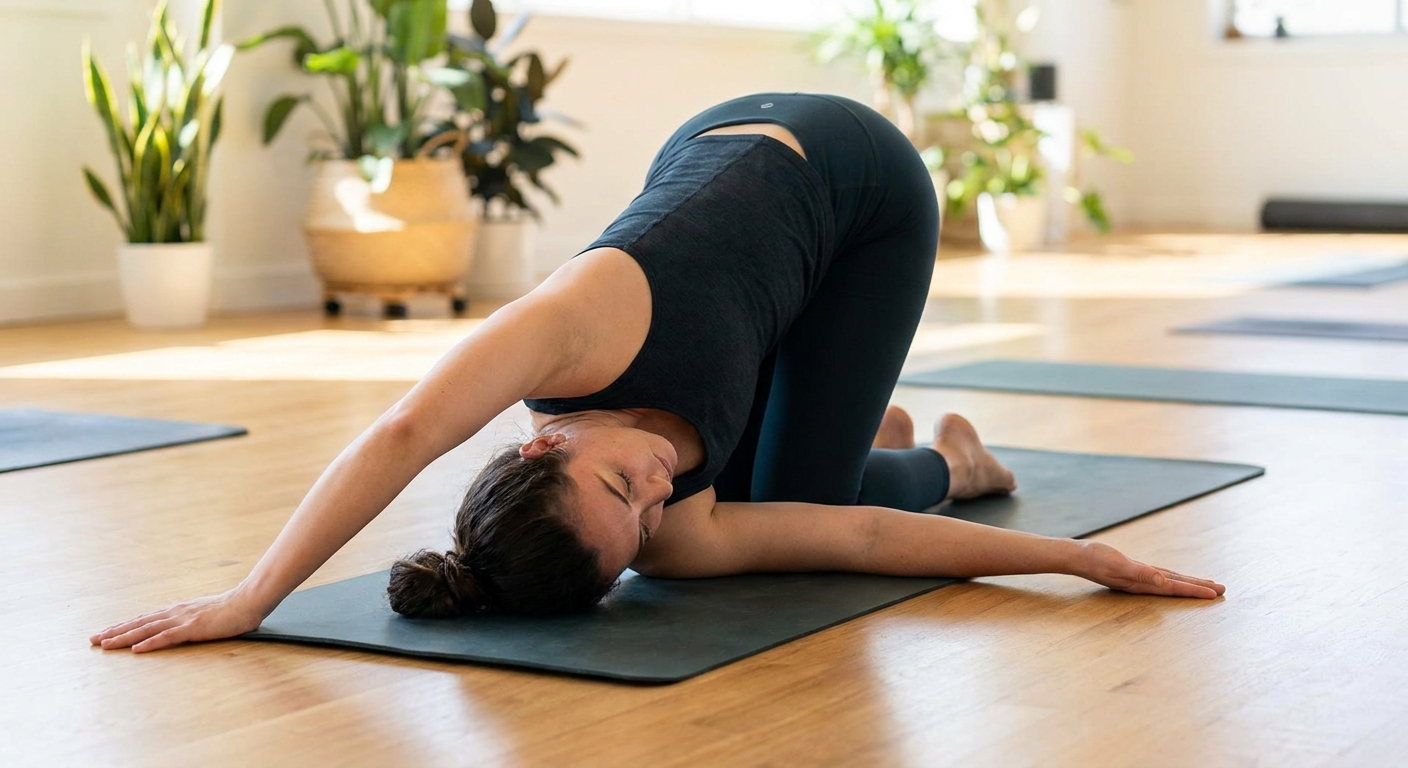
- Thread-the-Needle (4 reps per side): from all fours, slide one arm under your body, then open back up.
- Quadruped T-spine reach (optional, 3 reps per side): stay on all fours and rotate one arm toward the ceiling, eyes follow your hand.
Coaching cues
- Let your shoulder blades move. This is not a “perfect posture” drill, it is a movement drill.
- Keep hips stacked over knees to make the rotation come from your upper back, not your low back.
Scale it: If wrists are sensitive, do cat-cow on fists or forearms.
Flow 2: Hip Opener Loop (World’s Greatest Stretch)
Best for: tight hips, tight hip flexors, groin stiffness, runners and walkers.
Time: 4 to 6 minutes
Sequence
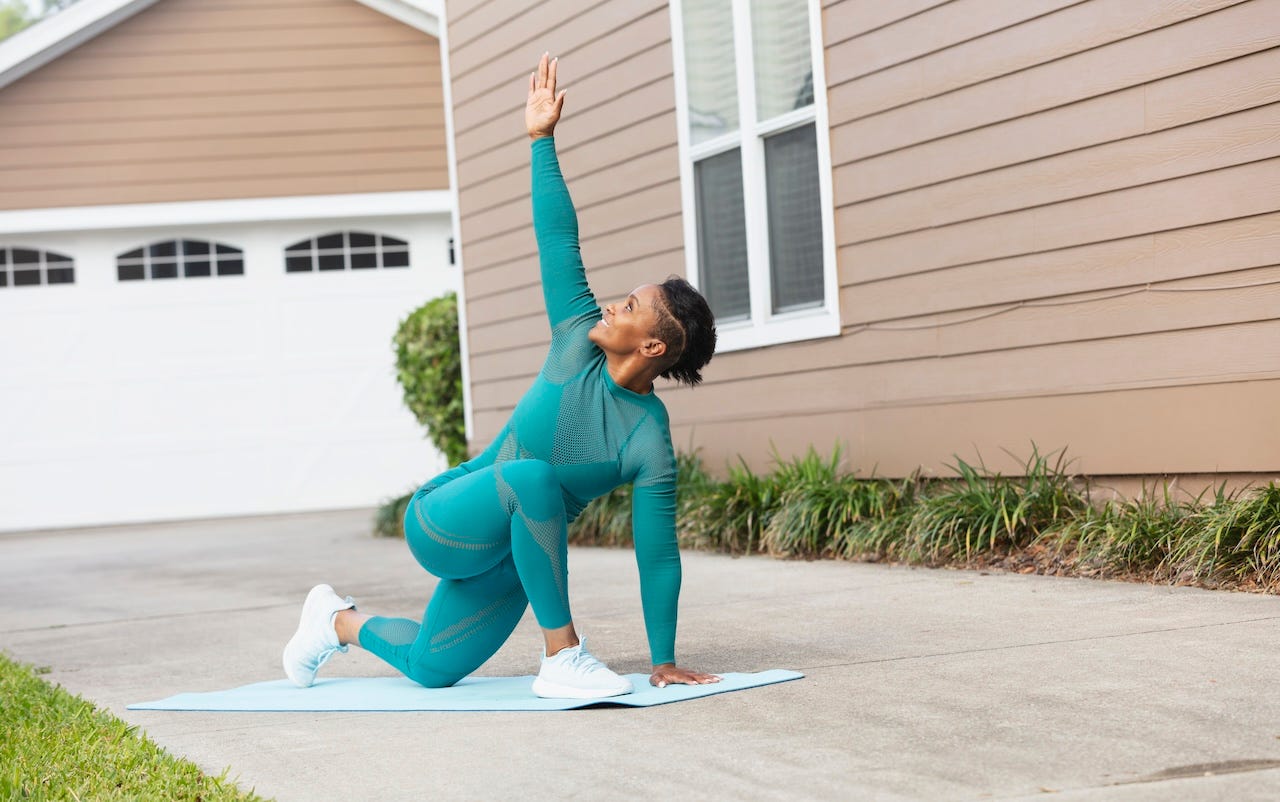
- Low lunge (step right foot forward): back knee down if needed.
- Elbow to instep (2 pulses): bring right elbow toward the inside of the right foot (or as close as you can).
- Thoracic rotation (2 reps): keep left hand down, rotate right arm up and back, then return.
- Hamstring rock-back (3 rocks): straighten the front knee, hips back, toes up if comfortable.
- Switch sides and repeat (left foot forward, right hand stays down, left arm rotates up).
Make it beginner-friendly
- Use fingertips or hands on blocks (or sturdy books) if the floor feels far away.
- Keep the back knee down if your balance is shaky.
- If the elbow-to-instep is too aggressive, do “hand to instep” and keep your chest lifted.
Scale it: If knees do not love lunges, shorten the stance and keep most of your weight back.
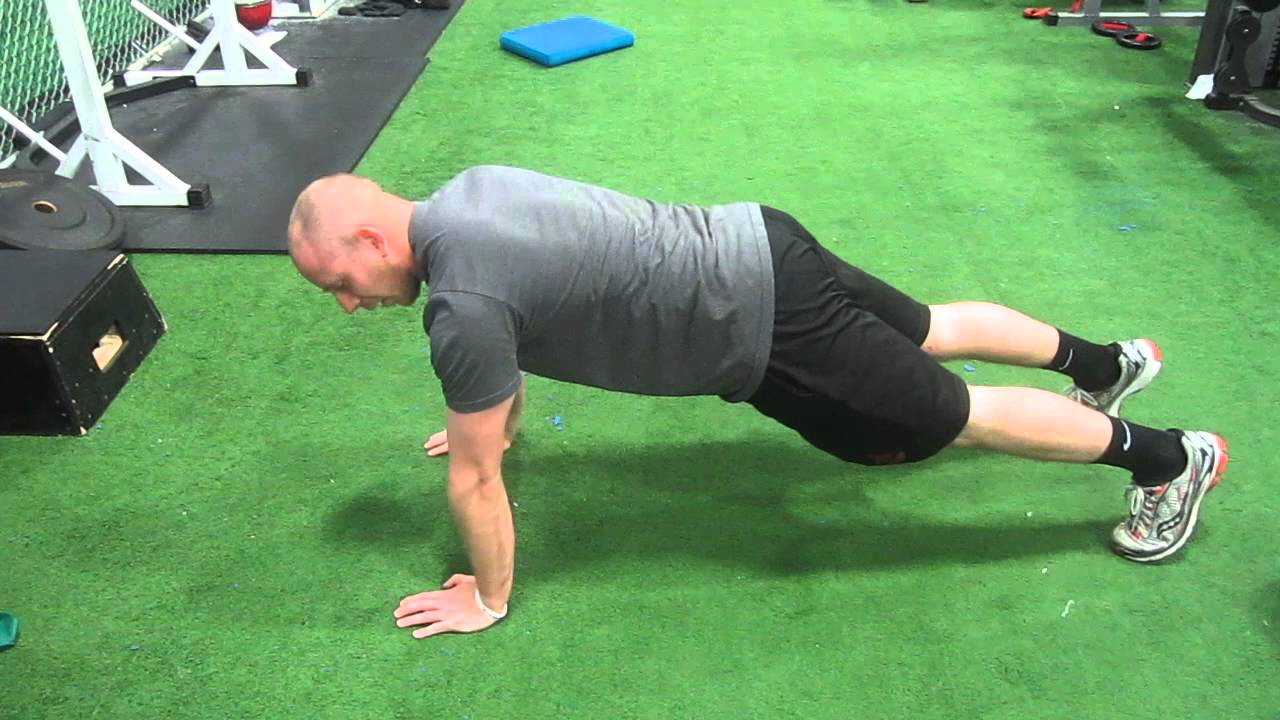
Flow 3: Shoulder-Friendly Plank (Scap Push-Up to Down Dog)
Best for: shoulders that feel tight or cranky, limited overhead reach, push-up stiffness.
Time: 3 to 5 minutes
Sequence
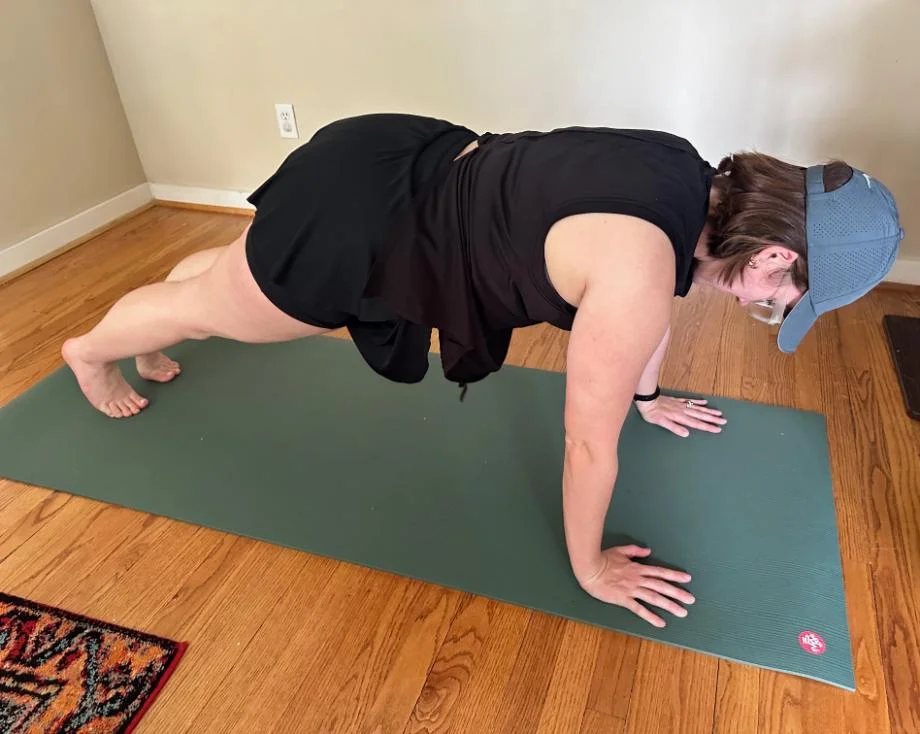
- High plank (20 to 30 seconds): hands under shoulders.
- Scap push-ups (6 to 10 reps): keep arms straight, let the chest sink slightly as shoulder blades glide together, then push the floor away to spread them.
- Down dog (3 breaths): hips up and back, long spine.
- Plank return (1 rep): glide forward to plank and repeat loop 3 to 5 times.
Coaching cues
- Think “long neck.” Do not shrug into your ears.
- In down dog, bend your knees as much as you need to keep your back long.
Scale it: Elevate hands on a sturdy couch or countertop to reduce wrist angle and shoulder load.
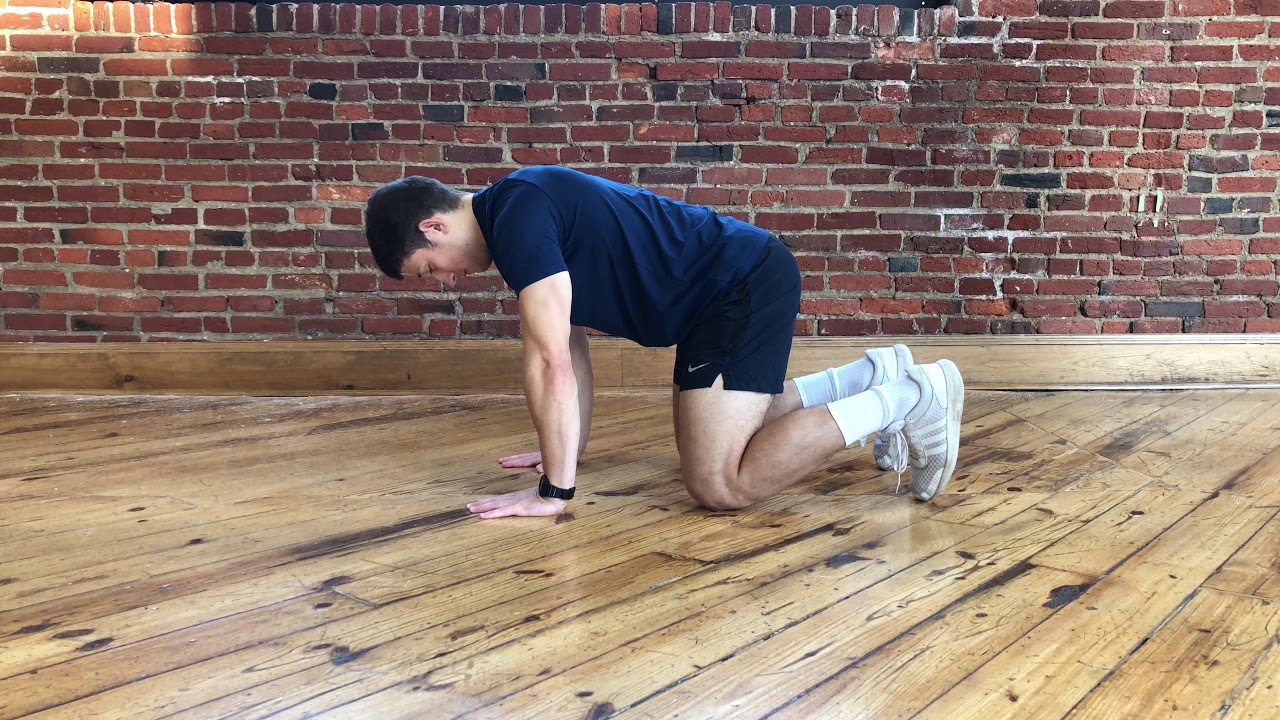
Flow 4: Animal-Flow Starter (Beast to Down Dog to Step-Through)
Best for: full-body mobility, coordination, wrist and ankle prep.
Time: 4 to 7 minutes
Sequence
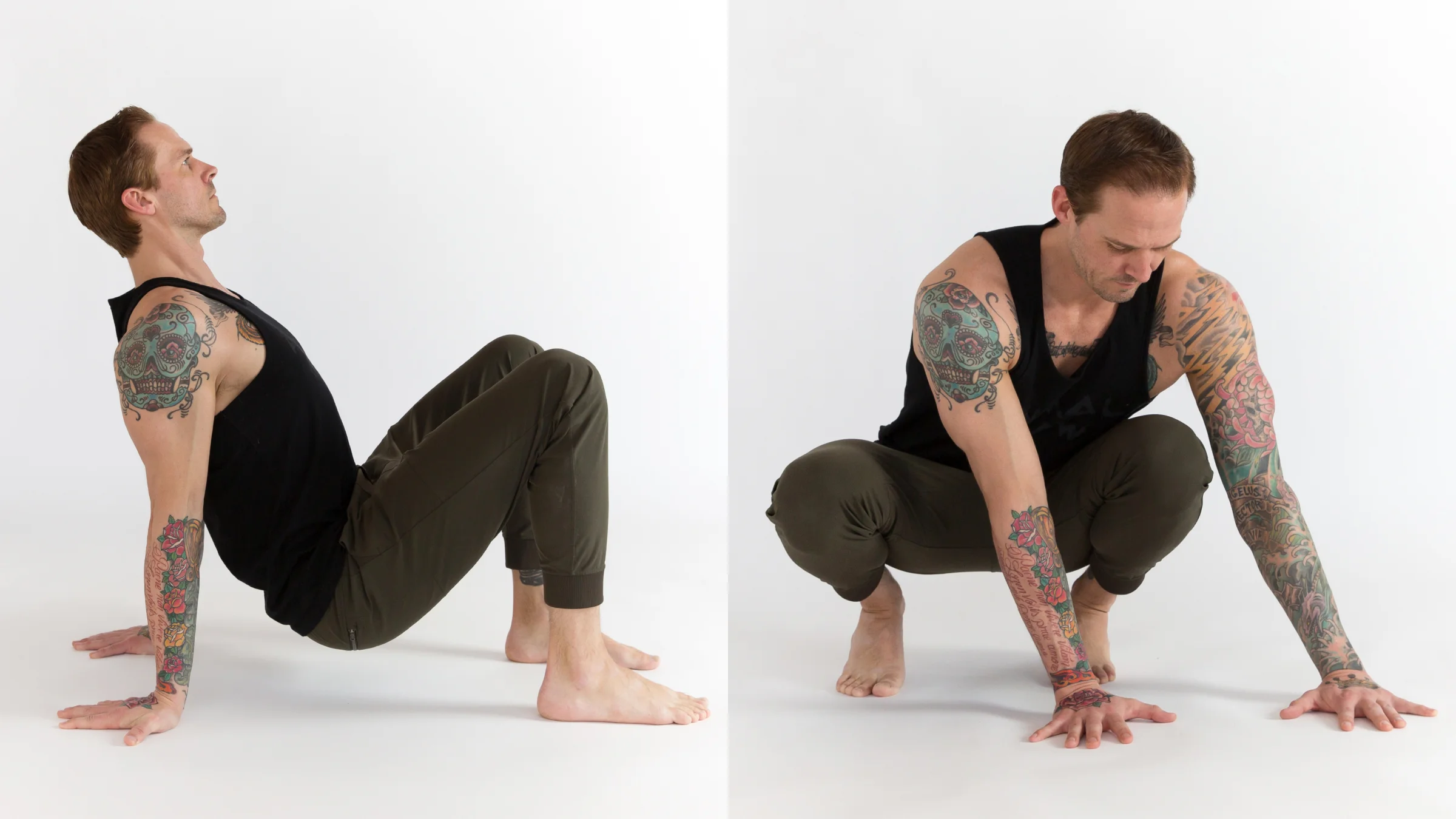
- Beast hold (10 to 20 seconds): hands under shoulders, knees under hips, knees hover 1 to 2 inches off the floor.
- Down dog (1 to 2 breaths).
- Step-through (3 reps per side): from down dog, step one foot up near your hand. Outside the hand if it feels good, inside the hand if you need more room, then step back.
- Repeat for 3 to 5 rounds.
Options if wrists complain
- Warm wrists first with gentle circles and palm lifts.
- Do beast with knees down and focus on shifting weight forward and back.
- Try hands on a folded towel to slightly reduce wrist extension.
Scale it: Make the step shorter. You are practicing control, not a max-range lunge.
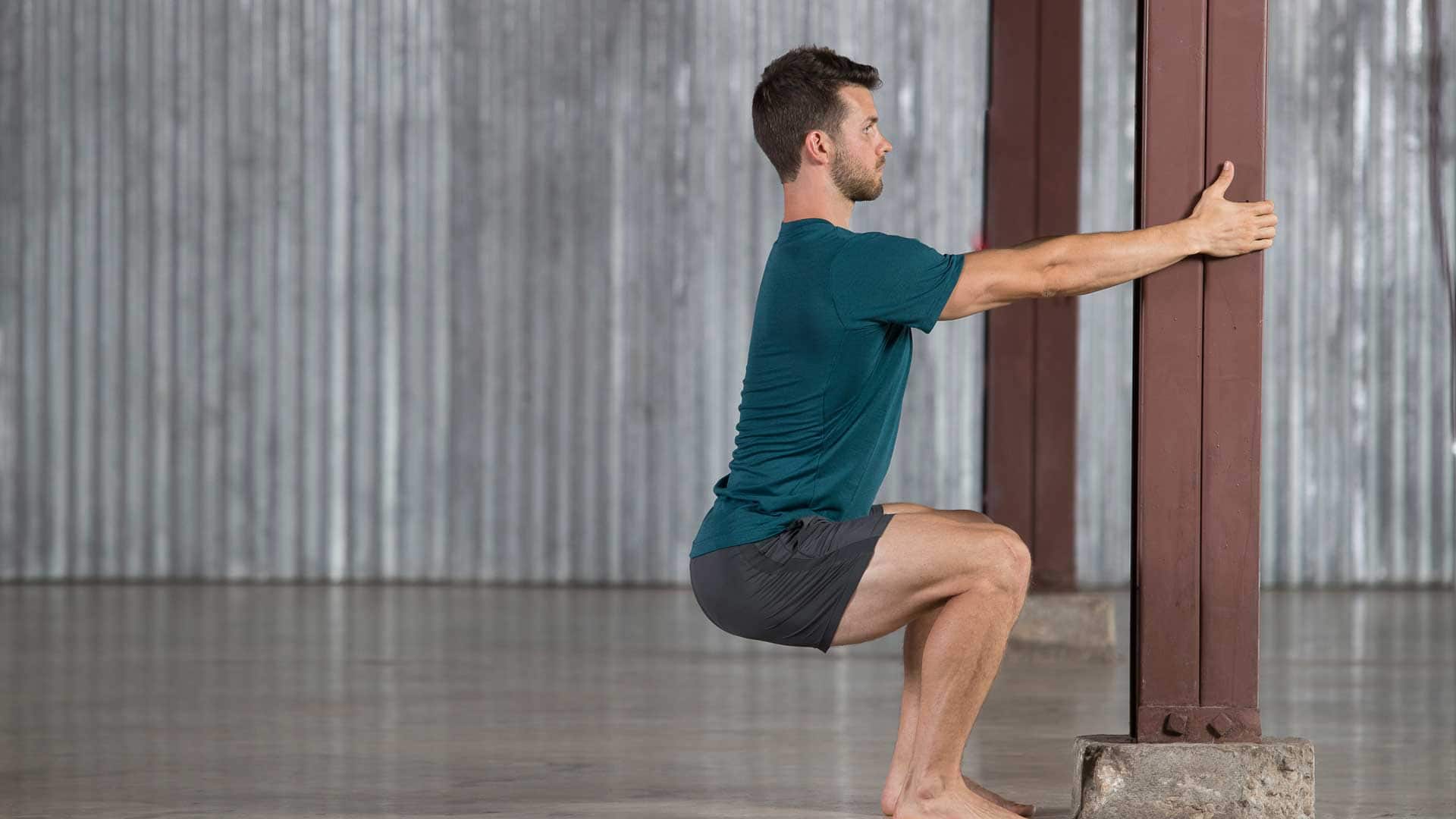
Flow 5: Squat Mobility Wave (Prying Squat to Hip Shift)
Best for: ankles, hips, groin, and the “I cannot get deep in a squat” problem.
Time: 3 to 6 minutes
Sequence
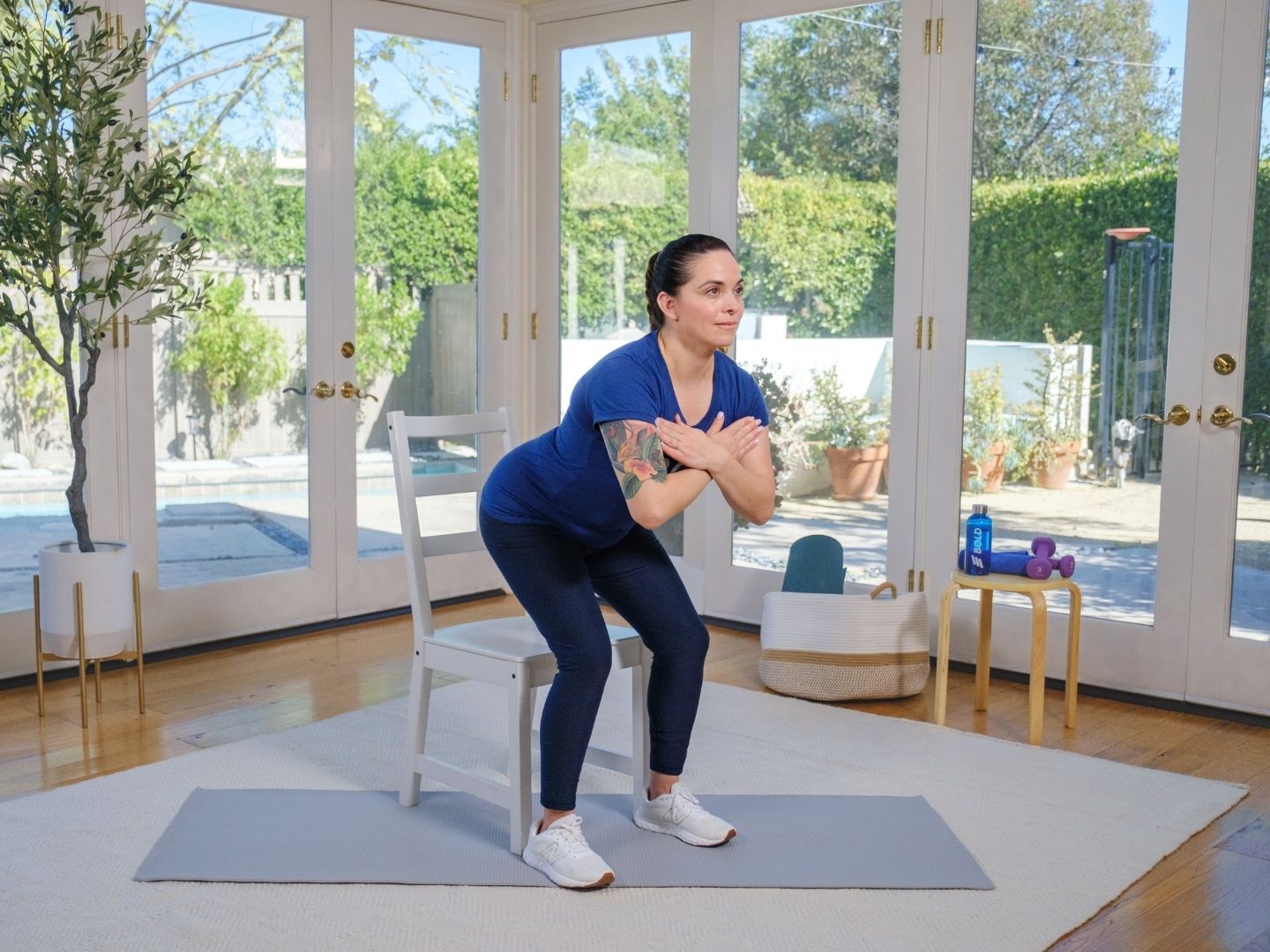
- Supported deep squat (30 to 45 seconds): hold a door frame, countertop edge, or sturdy chair if needed.
- Pry (6 to 10 gentle pulses): elbows inside knees, lightly press knees out while lifting chest.
- Hip shifts (6 reps per side): shift your weight toward one foot, then the other, staying low.
- Reset (one breath): stand tall, then go back down. If you like the forward fold, you can fold slowly instead.
Beginner tip
If your heels lift, place a folded towel under them. This is not cheating. It is smart ankle management.
Scale it: Stay higher. A half squat done well beats a deep squat done sloppy.
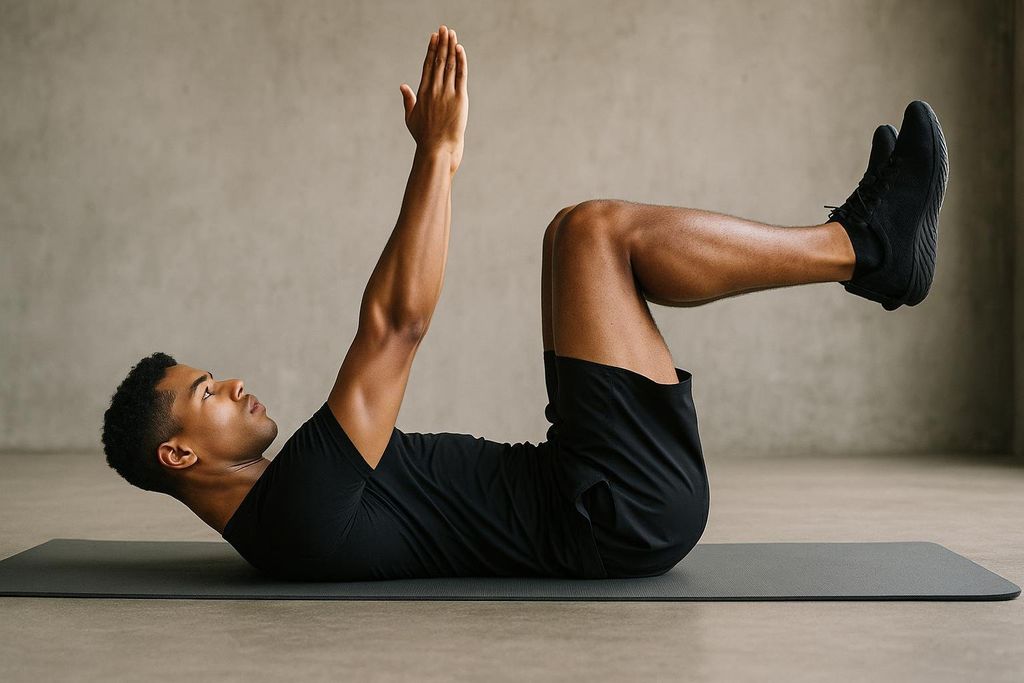
Flow 6: Core and Spine Control (Dead Bug to Glute Bridge Reach)
Best for: low back stiffness, core control, smoother hip extension.
Time: 4 to 6 minutes
Sequence
- Dead bug (6 reps per side): low back gently pressed into the floor, move opposite arm and leg.
- Glute bridge (8 reps): squeeze glutes at the top, ribs down.
- Bridge reach (3 reps per side): hold a bridge and reach one arm overhead slowly, then switch.
- Repeat for 2 rounds.
Coaching cues
- If your low back arches in dead bug, shorten the leg reach.
- In the bridge, think “knees forward, hips up,” not “crank the low back.”
Scale it: For dead bug, keep knees bent at 90 degrees and tap your heel down instead of fully extending.
Flow 7: Full-Body Reset (Lunge to T-Spine to Standing Reach)
Best for: a quick, everything-feels-better flow you can do before a walk, workout, or long day at your desk.
Time: 6 to 10 minutes
Sequence
- Reverse lunge (5 reps per side): step back softly, front foot planted.
- Lunge with rotation (3 reps per side): hands together at chest, rotate over front leg.
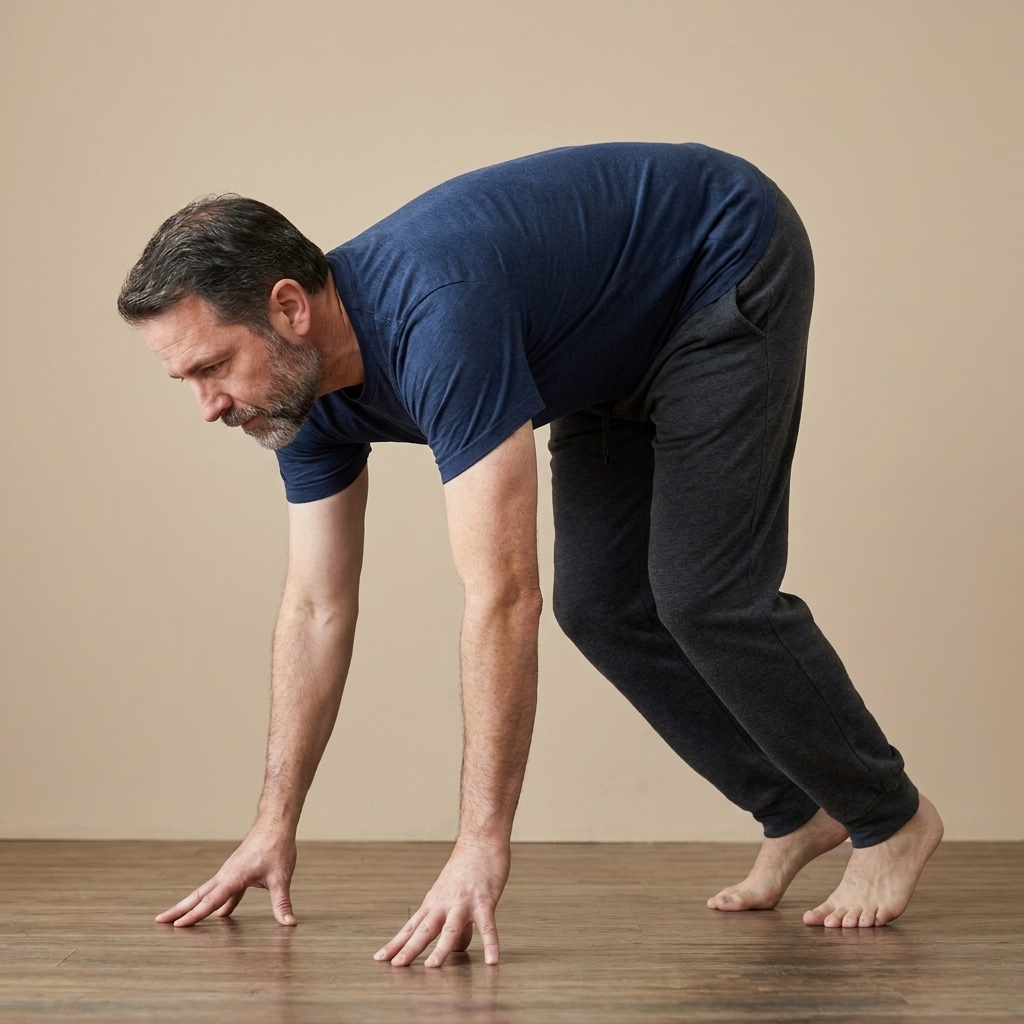
- Inchworm to plank (3 reps): walk hands out, pause in plank, walk back.
- Standing overhead reach with side bend (2 reps per side): keep ribs down and breathe.
Make it smoother
Try exhaling during the “hard” part of each move. Exhale as you rotate. Exhale as you stand. It often makes the whole flow feel less tense.
Scale it: If the inchworm feels like too much on wrists or hamstrings, do it with hands on a countertop.
Common mistakes that keep you stiff
- Rushing: fast reps usually turn into sloppy reps. Slow, controlled reps tend to build usable range.
- Forcing range: your joints learn safety through control, not yanking.
- Skipping breathing: if you are holding your breath, you are teaching your body to brace instead of move.
- Only stretching what feels tight: sometimes what feels “tight” is your body guarding for stability. Pair mobility with light control work (like Flow 6) and you are more likely to keep the gains.
A simple weekly plan
- Mon: Flow 2 + Flow 3 (12 to 15 minutes)
- Tue: Flow 6 (8 to 12 minutes)
- Wed: Flow 4 + Flow 5 (12 to 18 minutes)
- Thu: Flow 1 (5 minutes) + easy walk
- Fri: Flow 7 (10 minutes)
- Weekend: repeat your favorite flow once, or do the full session
If you only do two days a week, that still counts. Consistency beats intensity, especially for mobility.
FAQ
Is dynamic stretching better than static stretching?
They do different jobs. Dynamic work is great before workouts and for daily stiffness because it raises temperature and helps you practice control through range. Static stretching can be helpful after training or later in the day to relax, but it should not feel aggressive. Your response may vary, so treat both as tools, not rules.
How soon will I feel less stiff?
Many people feel a difference after the first session. The more reliable change tends to show up over 2 to 4 weeks, when you have repeated the same few flows often enough that your body trusts the new range. If stiffness is paired with persistent pain or neurological symptoms (numbness, tingling, weakness), get it assessed.
Can I do these if I am a total beginner?
Yes. Start with Flow 1, Flow 2, and Flow 6. Keep ranges small, use support, and move slowly. If any movement causes sharp pain, skip it and consider checking in with a qualified clinician.
What if I have bad wrists or knees?
Use a folded towel under knees, and for wrists keep your sessions short at first. You can also do plank-based flows on fists or with hands elevated on a sturdy couch or countertop to reduce wrist angle.
Your next step
Pick one flow from this list and do it today for six minutes. Not tomorrow, not when you “have time.” Put on a timer, move slowly, and stop while it still feels good. That is how you build a mobility habit that actually sticks.