Build strength and stamina at home without jumping. Follow this joint-friendly weekly plan with clear exercise steps, modifications, and progress options for...
Home Pulse Fit
•
home workouts and fitness
Low-Impact Burpee Alternatives
Want burpee-level cardio without the joint pain? Try these low-impact, no-jump burpee alternatives for a sweaty full-body workout you can do at home.

Marcus Thorne
Marcus Thorne is an NASM-certified personal trainer and the creator behind Home Pulse Fit. After successfully transforming his own health using only bodyweight routines in his small apartment, he left his demanding corporate career to help others do the same. Today, he is dedicated to making fitness accessible, sustainable, and entirely gym-free for busy beginners.
Published
October 18, 2026
Updated
October 18, 2026
If burpees make your knees, ankles, wrists, or lower back feel like they are filing a complaint, you are not weak. You are listening to your joints.
I love what burpees do for conditioning, but I do not love how often they turn a home workout into a high-impact stress test. The good news: you can get a similar whole-body, heart-pounding conditioning effect with smarter, lower-impact moves that keep both feet closer to the ground.
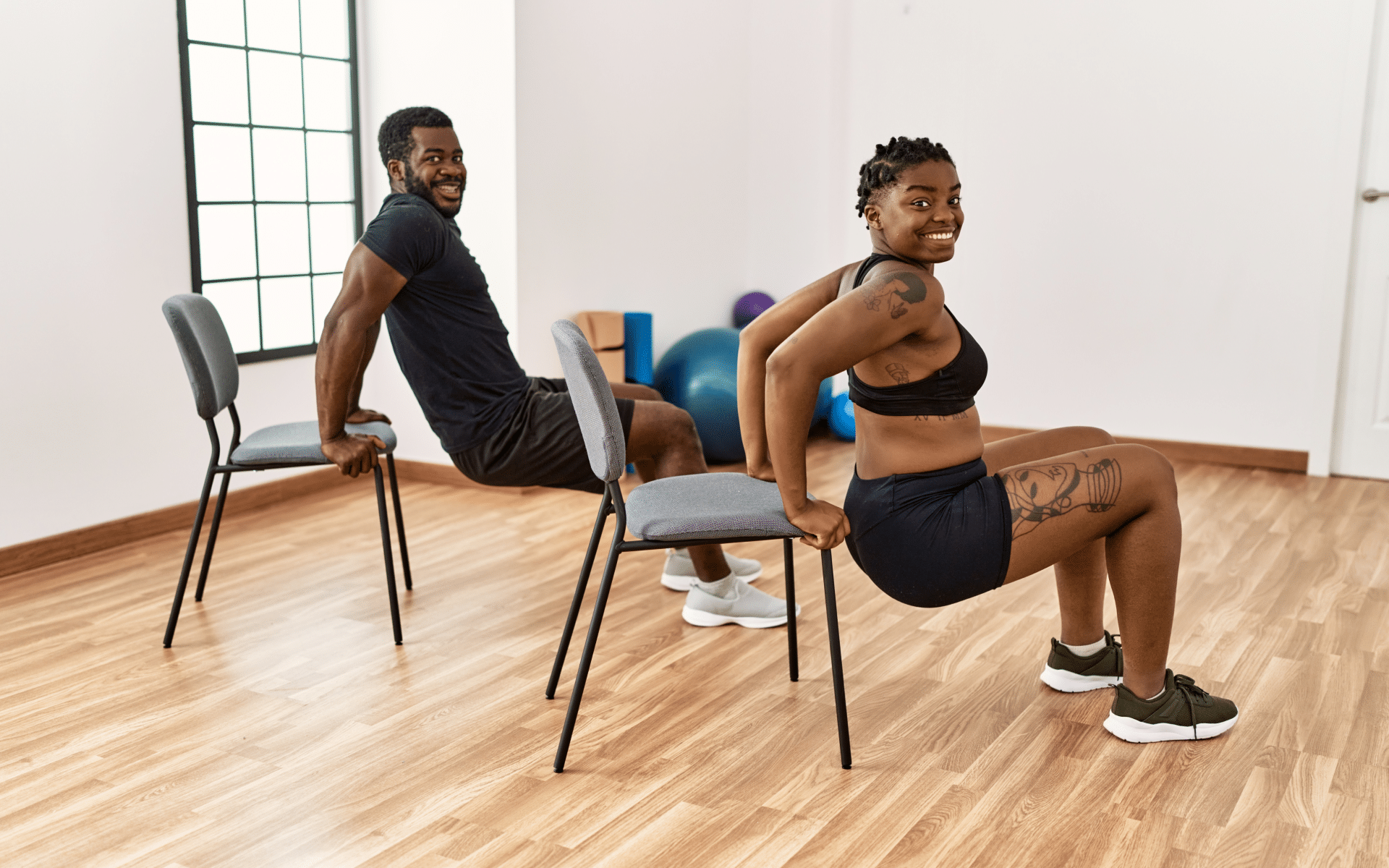
What makes burpees rough on joints
Burpees usually combine three things that can spike joint stress fast:
- Jumping and landing (impact on ankles, knees, hips, and low back)
- Fast transitions to the floor (wrist and shoulder load, plus core control demands)
- Fatigue-driven form breakdown (hips sag, knees cave, hands slam down)
Low-impact alternatives keep the full-body sequence and cardio demand, but remove the jump, slow down the drop, and give you stable options for your hands and shoulders.
Quick form rules
- Step, do not hop your feet in and out.
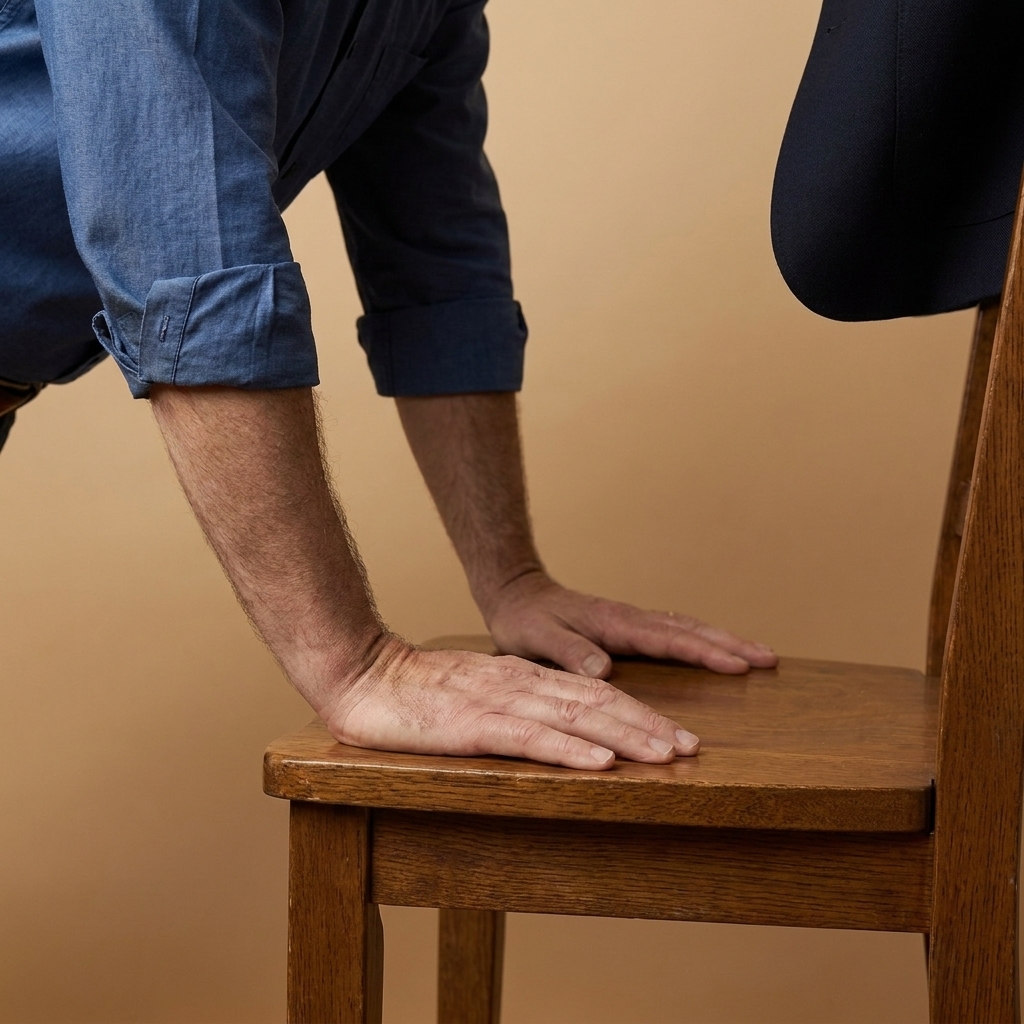
- Use an incline (hands on a couch, sturdy chair, or countertop) if wrists or shoulders complain. This can reduce wrist and shoulder load for many people.
- Make your setup stable: use a non-slip surface and avoid light or wheeled chairs.
- Land softly even when you are not jumping. Quiet feet usually means good control.
- Exhale on effort (stand up, knee drive, squat to stand). It keeps your core engaged without overthinking it.
- Stop one rep early if your form is fading. Consistency beats intensity.
Before you start
If you have a recent injury or surgery, chest pain, dizziness, numbness, severe joint pain, uncontrolled blood pressure, or you are pregnant or postpartum and unsure what is appropriate, it is worth checking in with a qualified clinician or coach first. And if any move causes sharp, pinchy, or unstable pain, stop and swap it.
Quick warm-up (2 to 4 minutes): march in place, shoulder circles, hip hinges, and 2 to 3 easy squat-to-stands using a chair.
8 low-impact burpee alternatives
Pick 2 to 4 moves and cycle them like a circuit. If a move feels spicy in a bad way, swap it for another option in this list.
1) Step-Back Burpee (no push-up)
This is my go-to starting point for beginners. You still get the squat, plank, and stand, without the jump or the floor slam.
- Stand tall, then squat and place hands down (or on an elevated surface).
- Step one foot back, then the other into a plank.
- Step feet back in one at a time.
- Stand up and reach overhead (no jump).
Make it easier: hands on a couch or chair.
Make it harder: add a slow mountain climber (2 to 4 reps) in the plank.
2) Incline Squat to Plank
If wrists or shoulders are sensitive, incline is your best friend. It often feels more tolerable because your upper body is not supporting as much of your bodyweight.
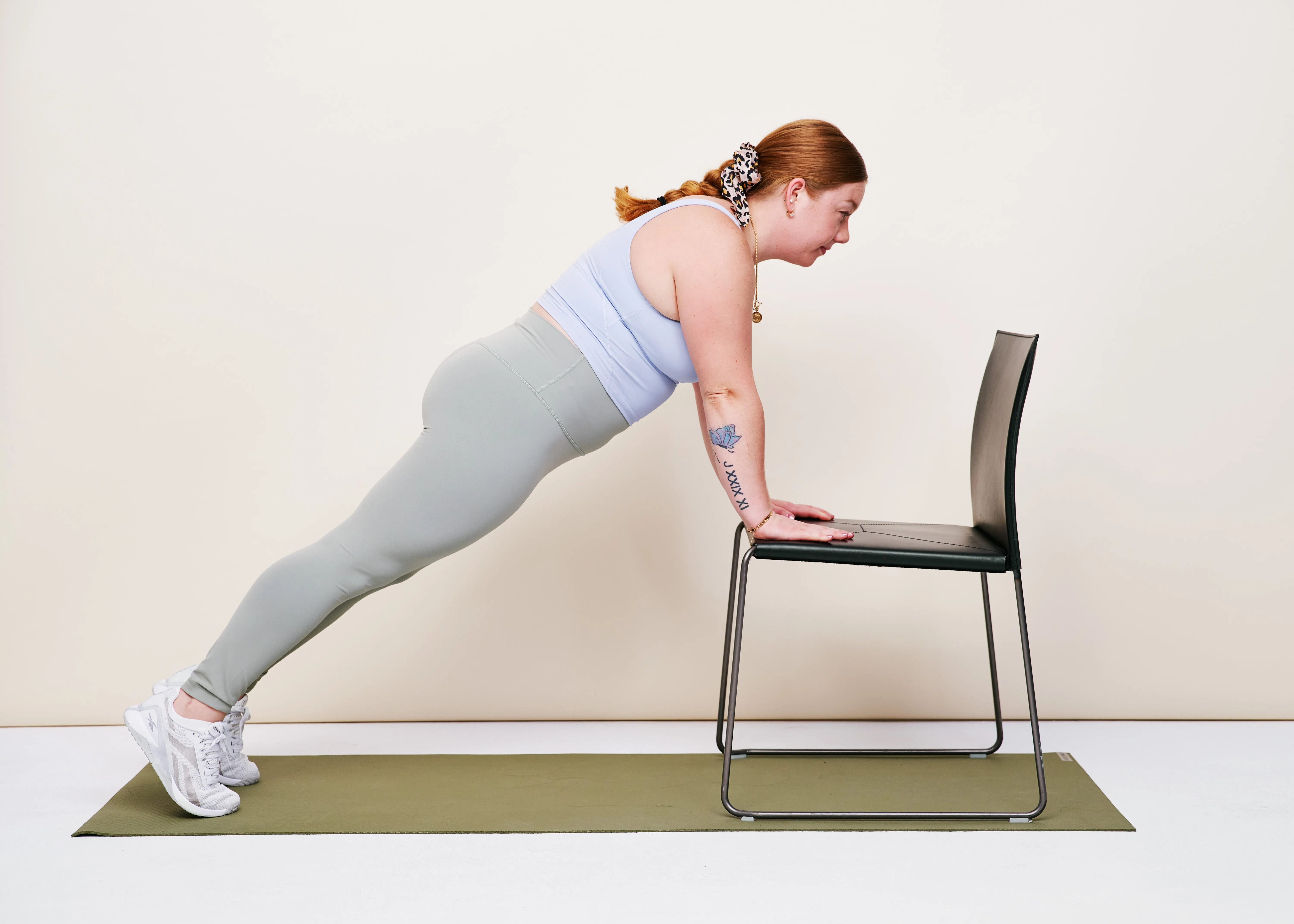
- Place hands on a sturdy chair, couch, or countertop.
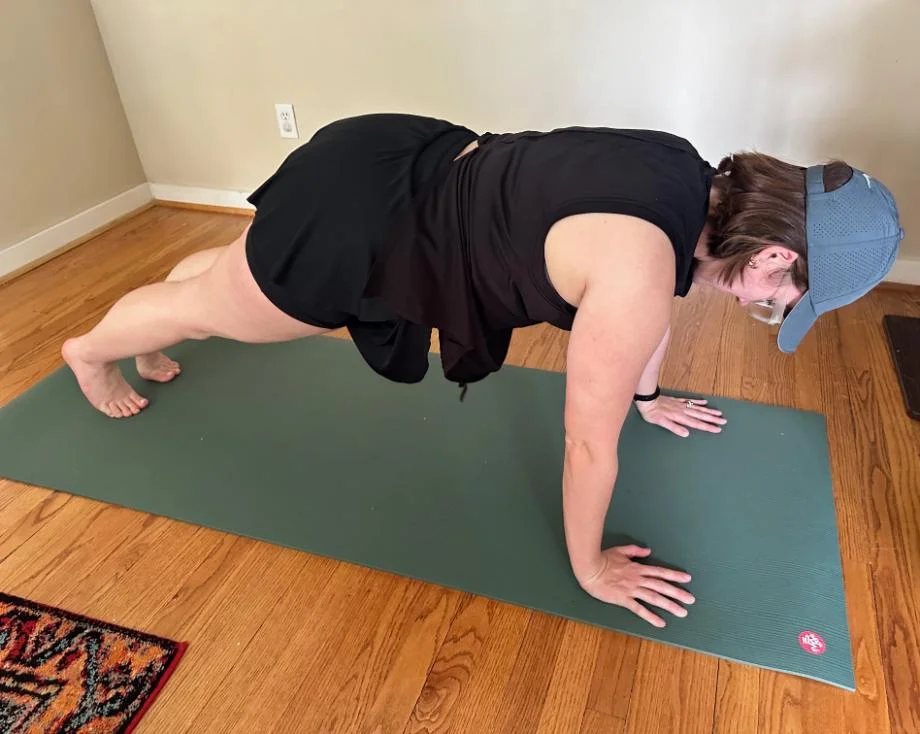
- Walk or step feet back to an incline plank.
- Step feet forward under hips.
- Stand up tall and squeeze glutes at the top.
Coach tip: Think long spine in the plank. Do not let hips droop.
3) Walkout to Plank and Back
This is sneaky-hard cardio and a great way to build shoulder stability without impact.
- Stand tall, soften knees.
- Hinge at hips, walk hands forward to a plank.
- Pause for one breath.
- Walk hands back and stand up.
Make it easier: walk out only halfway to a bear position (hands under shoulders, knees bent).
Make it harder: add a shoulder tap in plank (slow and controlled).
4) Squat Thrust (step version)
Classic conditioning move, joint-friendly version. This is like a stripped-down burpee: no overhead reach, just down and back up at a steady tempo.
- From standing, place hands down (or on an incline).
- Step back to a plank (one foot at a time).
- Step forward to a squat stance (one foot at a time).
- Stand up.
Watch for: rounding your lower back as you reach for the floor. If you cannot keep a neutral spine, elevate your hands.
5) Bear Plank Step-Throughs
All burn, no impact. Great for conditioning and core control.
- Start in a bear plank: hands under shoulders, knees under hips, knees hovering an inch or two off the floor.
- Step right foot slightly forward and back.
- Repeat left side.
Make it easier: keep knees down and do slow toe taps forward.
Make it harder: increase tempo while keeping hips steady.
6) Low-Impact Up-Downs (pause in plank)
This mimics the get down, get up fatigue that makes burpees such a cardio hit, minus the jump. The difference here is the intentional pause to keep it controlled.
- From standing, squat to hands down (or hands on a raised surface).
- Step to a plank.
- Hold for one full breath.
- Step back in.
- Stand up.
Upgrade: add a knee drive at the top (one knee each rep) instead of a jump.
7) Marching Mountain Climbers
Perfect if you want cardio without changing levels too much. Also easier on wrists when done on an incline.
- Hold a high plank (floor or incline).
- Bring one knee toward chest, step it back.
- Alternate sides.
Progression: start slow for 20 seconds, then slightly faster for 10 seconds, without bouncing.
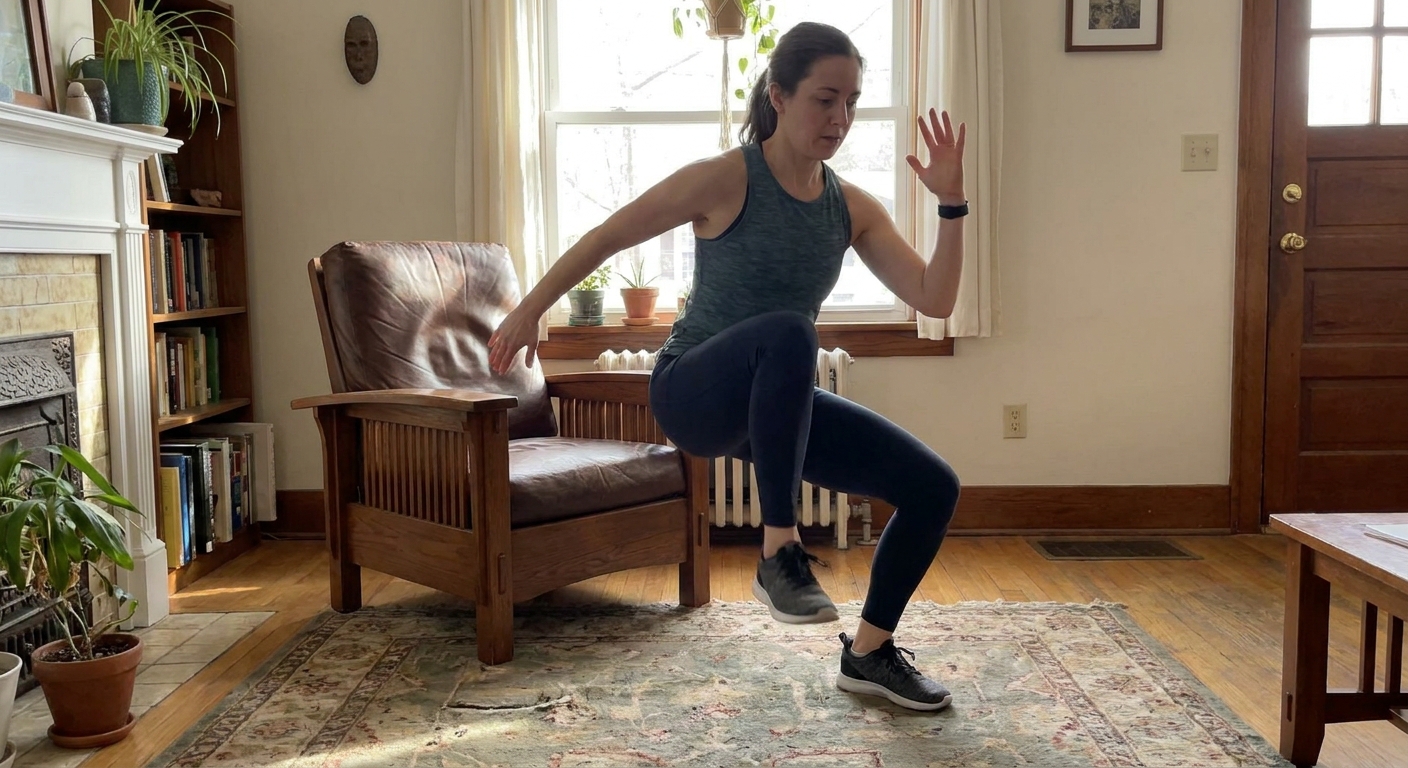
8) Chair Squat to Knee Drive
If getting to the floor is not happening today, this one still delivers a serious heart-rate response with minimal joint impact.
- Sit back to a chair squat and stand.
- Drive one knee up (controlled, no hop).
- Repeat squat, then other knee.
Form focus: keep ribs stacked over hips. Do not lean way back to lift the knee.
3 no-jump finishers
These are designed to feel like the burpee finisher people love, just without the impact.
Option A: 8-minute ladder
- 40 seconds Step-Back Burpee (no push-up)
- 20 seconds rest
- 40 seconds Marching Mountain Climbers
- 20 seconds rest
- 40 seconds Chair Squat to Knee Drive
- 20 seconds rest
- Repeat 2 rounds
Option B: 10-minute EMOM
Every minute on the minute, do smooth, controlled reps, then rest for whatever time is left in that minute. If you cannot finish the reps with good form, reduce the reps or increase the incline.
- Minute 1: 10 Incline Squat to Plank reps
- Minute 2: 12 to 16 Chair Squats
- Minute 3: 20 to 30 Marching Mountain Climbers
- Repeat until 10 minutes total
Option C: 6-minute steady burn
- 45 seconds Chair Squat to Knee Drive
- 15 seconds rest
- 45 seconds Fast March in Place (strong arm swing)
- 15 seconds rest
- Repeat 3 rounds
Pick what fits
- Knee pain with squats: shorten range of motion, use a chair target, focus on sitting back, and keep shins more vertical.
- Wrist discomfort in planks: use an incline. You can also try push-up handles or dumbbells as grips to keep wrists more neutral. Some people like pressing into fingertips or using fists, but if pain increases, stop and switch to incline or a forearm plank. If it still hurts, choose the no-floor finisher.
- Lower back tightness: slow transitions, elevate hands, and brace before stepping back.
- Shoulder pinching: choose incline, keep hands slightly wider, and avoid letting head drop between arms.
My rule as a coach: Discomfort that feels like effort is fine. Discomfort that feels sharp, pinchy, or unstable is a swap signal. There is always another move.
Progression plan (2 weeks)
If you want a simple path that builds stamina without beating up your joints, use this.
Week 1: Own it
- Do 3 workouts total on nonconsecutive days.
- Pick 3 moves: Step-Back Burpee, Incline Squat to Plank, Chair Squat to Knee Drive.
- Work 30 seconds, rest 30 seconds, 3 rounds (about 9 minutes).
- Finish with an easy walk around your home for 2 to 5 minutes to cool down.
Week 2: Build it
- Do 3 workouts total on nonconsecutive days.
- Keep the same moves.
- Work 40 seconds, rest 20 seconds, 4 rounds (about 12 minutes).
- If you feel great, add 1 minute of Marching Mountain Climbers at the end.
FAQ
Will I still burn calories without jumping?
Yes. Impact is not a requirement for calorie burn. What matters most is how much muscle you are using and how consistently you are working. These options use a lot of muscle and can keep your heart rate up, especially when you tighten rest times.
Do I need a push-up?
No. Push-ups are great, but they are not mandatory for conditioning. If you want to add upper-body work, put push-ups in a separate strength block when you are fresh, or do incline push-ups for cleaner reps.
How fast should I go?
Fast enough to breathe hard, slow enough to stay in control. If your hands slam down, your hips sag, or your knees cave, that is your cue to slow the tempo or elevate your hands.
What if getting to the floor is hard?
Use the no-floor finisher or stick to chair-based and standing options. Fitness is not about proving you can get down to the floor. It is about building capacity safely, then expanding from there.
My favorite starter swap
If you only take one thing from this article, let it be this: replace burpees with Step-Back Burpees on an incline for two weeks. Similar sweat, way less joint drama.
When you are ready, you can lower the incline, tighten the rest periods, or add controlled mountain climbers in the plank. That is how you get fitter without feeling like your body is paying a price for it.
Quick cool-down (2 to 3 minutes): slow breathing, an easy forward fold with bent knees, and a gentle chest opener against a doorway. Keep it comfortable.