A beginner-safe list of core moves you can do in a small space, plus warm-up tips, modifications, common mistakes, and easy routines to start today.
Home Pulse Fit
•
home workouts and fitness
Planks vs. Crunches for Core Strength
Planks and crunches both train your core, but in different ways. Learn which is better for stability, posture support, and spine-friendly strength at home, plus clean form cues and an easy 10-minute plan.

Marcus Thorne
Marcus Thorne is an NASM-certified personal trainer and the creator behind Home Pulse Fit. After successfully transforming his own health using only bodyweight routines in his small apartment, he left his demanding corporate career to help others do the same. Today, he is dedicated to making fitness accessible, sustainable, and entirely gym-free for busy beginners.
Published
October 18, 2026
Updated
October 18, 2026
If you have ever wondered what the “best ab exercise” really is at 10 p.m., you have probably circled the same two classics: planks and crunches. They are both equipment-free, both beginner-friendly on paper, and both easy to squeeze into a 10 to 20 minute home routine.
But they train your core in very different ways. One is about resisting movement (plank). The other is about creating movement (crunch). If your goal is real-world core strength, better posture, and a happier lower back, the “better” choice depends on what you need most.
Let’s break it down like a coach in your corner, not a fitness textbook.
What core strength means
Most people hear “core” and think “six-pack.” In practice, your core is a 360-degree support system that helps you:
- Stabilize your spine when you walk, carry groceries, or pick up a laundry basket
- Transfer force between your upper and lower body
- Maintain posture at a desk or on the couch without collapsing into your low back
- Protect your back by controlling motion, not just bending and twisting a lot
For home fitness beginners, one of the biggest wins is learning to brace and control your torso while breathing normally. That is where planks often shine.
Planks: what they train
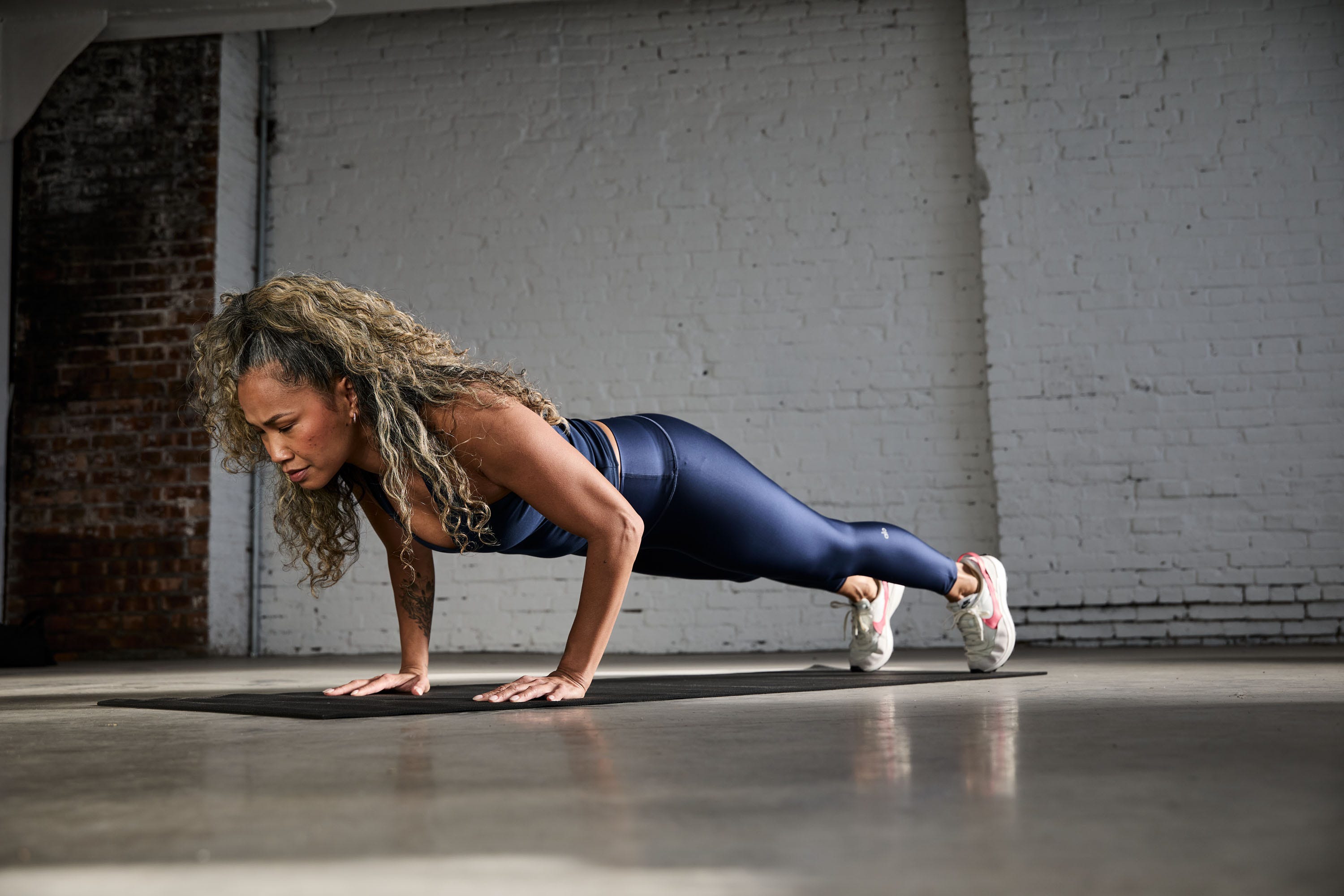
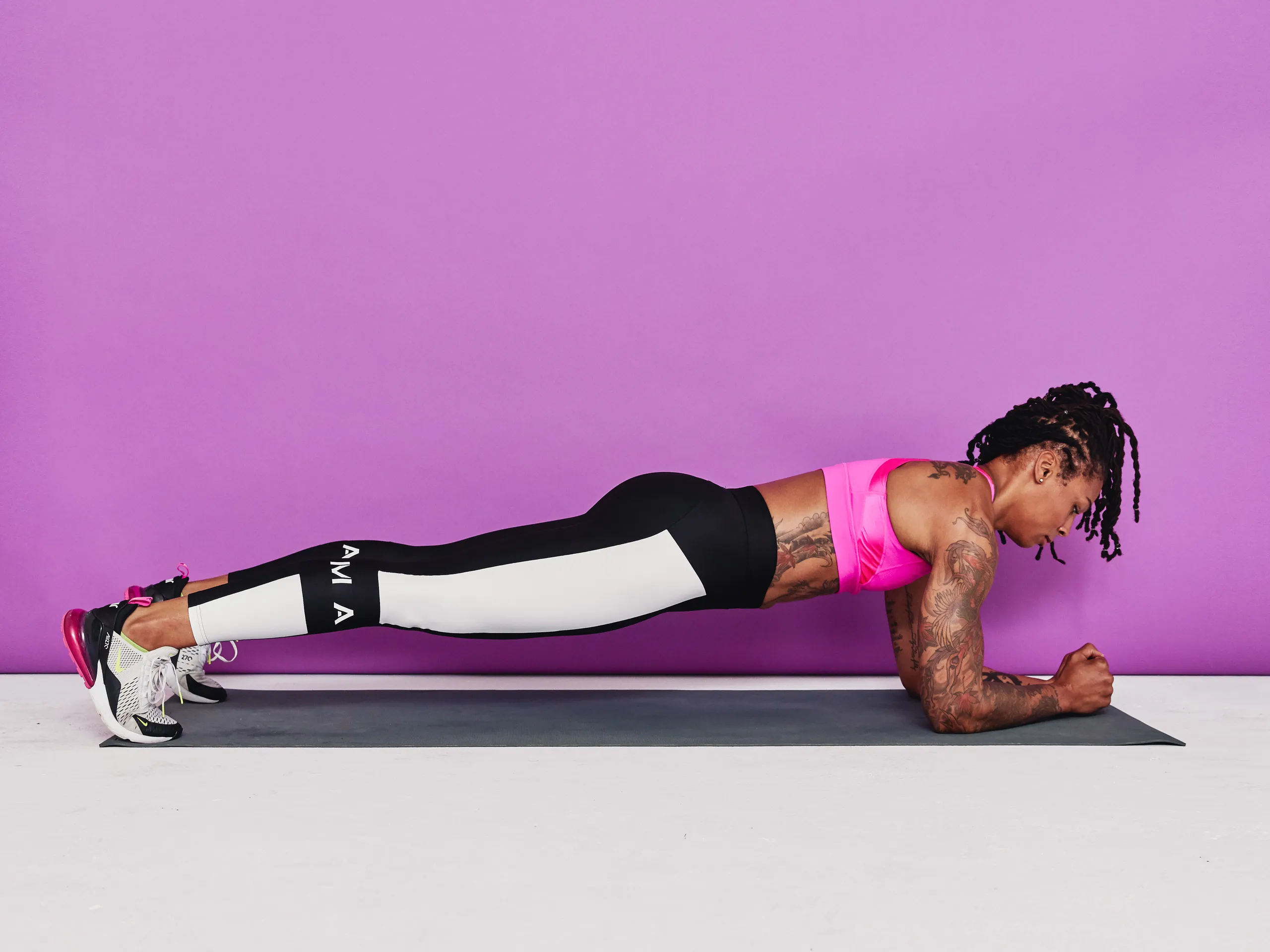
A plank is an anti-extension exercise. That just means your body wants to sag into your lower back, and your job is to resist that.
What planks hit
- Deep core (especially transverse abdominis) for bracing and spinal support
- Front core (rectus abdominis) without repeated spinal bending
- Obliques for keeping your ribs and pelvis stacked
- Glutes to keep your hips from dumping forward
- Shoulders and upper back to support your torso
Why planks can help posture
Good posture is mostly a “stacking” game: ribs over pelvis, head over ribcage, hips underneath you. A well-done plank can reinforce that stacked position under tension, which may carry over to standing, walking, and sitting. It is not magic though. Posture is also shaped by habits, mobility, ergonomics, and how you spend your day.
Why planks are often spine-friendly
Many people already spend a lot of time flexed forward over a desk or phone. Planks build core capacity without repeated spinal bending, which can be helpful if you are prone to flexion-related back irritation.
That said, planks are not automatically “safe” for everyone. If you hold them too long or lose position, you can irritate your low back. They can also aggravate shoulders or elbows if your setup is off or you ramp up volume too fast.
Crunches: what they train
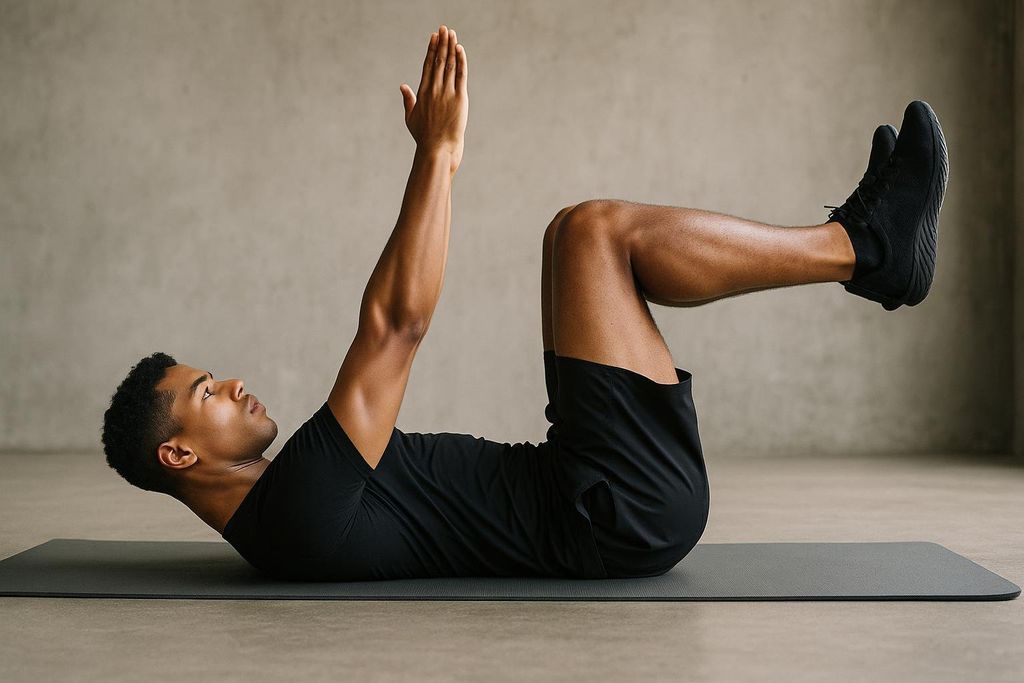
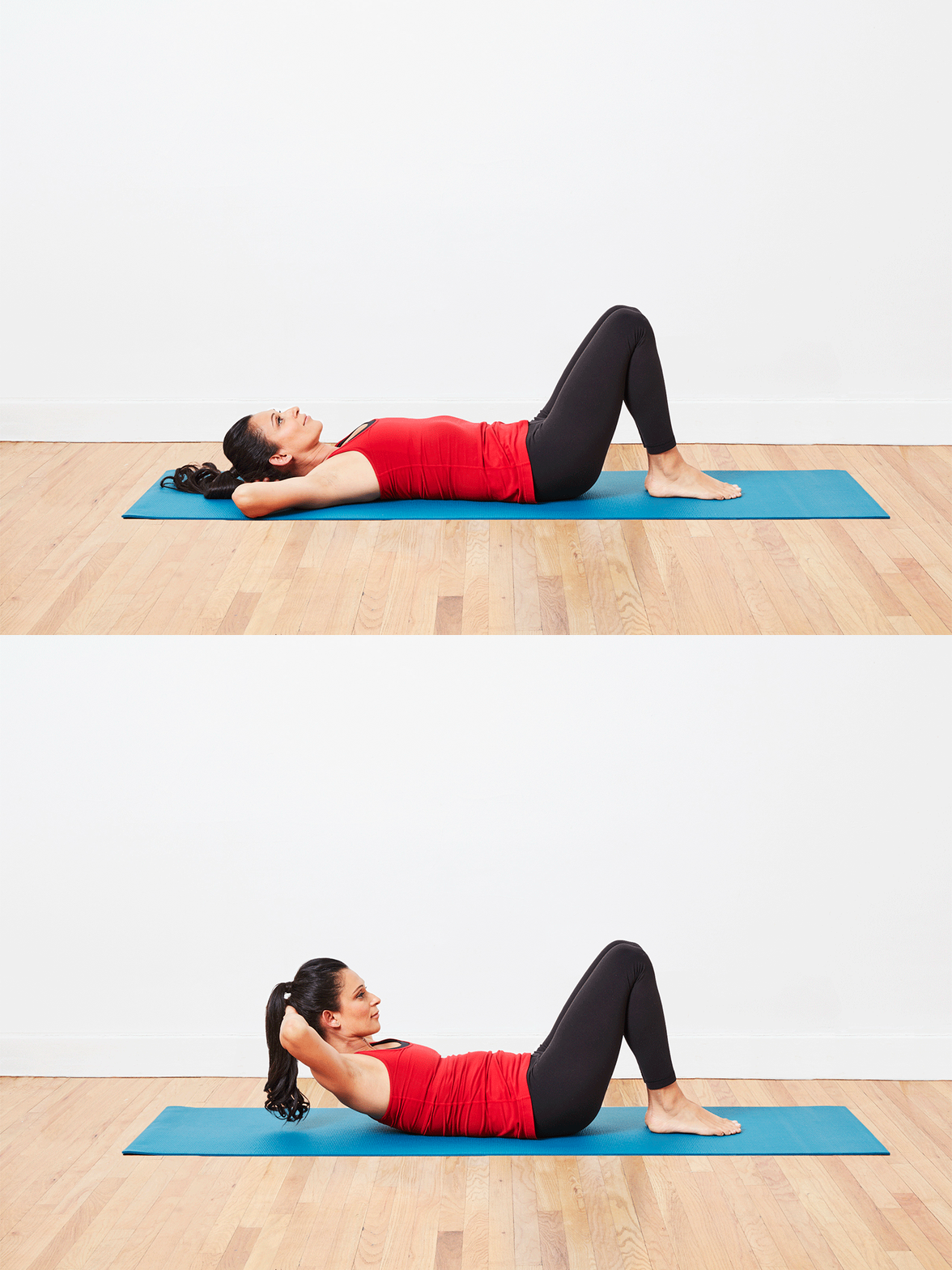
A crunch is a spinal flexion exercise. You are training the abs to shorten and curl your ribcage toward your pelvis.
What crunches hit
- Rectus abdominis (the “six-pack” muscle)
- Some oblique involvement depending on your arm position and rib control
When crunches can be the better tool
- You want more direct ab muscle burn and a simple way to add reps
- You cannot load wrists or shoulders (planks bother your shoulders, elbows, or wrists in a high plank position)
- You are rebuilding ab strength after a break and need a very scalable movement
The spine and neck caveat
Crunches are not “bad,” but they are easier to do in a way that irritates the neck or low back. Many people turn a crunch into a neck pull or a hip flexor takeover. If you already have back pain, disc symptoms, or pain with bending, crunches may not be your first pick.
Also, if you do a ton of flexion work and nothing else, it can nudge you toward a more “curled” feel through the front of the body. That is one reason it helps to pair crunches with stability work (planks, side planks, bird dogs) instead of making flexion your entire core plan.
Planks vs. crunches
| Category | Planks | Crunches |
|---|---|---|
| Core stability | Generally excellent for most beginners, trains bracing and full-torso control | Generally moderate, mostly trains front abs through motion |
| Posture carryover | Often helpful, reinforces ribs-over-pelvis stacking | Lower for posture, and can encourage a “curled” feel if overdone without balancing work |
| Spinal loading | Less repetitive bending, often easier on backs that dislike flexion | Repeated flexion can irritate some backs and necks |
| Beginner friendliness | Beginner-friendly if regressed (knees, incline), but can get tricky with shoulder fatigue or low-back sag | Beginner-friendly, but easy to cheat with neck or hip flexors |
| Time efficiency | Great, short sets build a lot of tension quickly | Good, higher reps often needed for a strong stimulus |
| Equipment needed | None | None |
My recommendation
If your goal is core strength (not just ab fatigue), start with planks as your foundation. They teach a skill many people are missing: keeping the trunk stable while you breathe and move.
Then, if you want to add crunches, use them like an accessory: controlled reps, limited volume, clean form.
Consistency beats intensity. A few quality sets, repeated 3 to 4 days per week, will outpace a once-a-week ab blowout session most of the time.
Quick safety note
If you are pregnant or postpartum, have a known hernia, osteoporosis or a history of vertebral compression fractures, or you are in an acute back flare-up, get individualized guidance before pushing core training. And if either move causes sharp pain, numbness, or symptoms that travel into the leg, stop and consider a clinician check.
How to do a plank
Forearm plank setup
- Elbows under shoulders, forearms parallel
- Feet about hip-width apart (wider is easier, narrower is harder)
- Think “ribs down” and “belt buckle up” to avoid low back sag
- Squeeze glutes like you are trying to hold a credit card between your cheeks
- Push the floor away gently so your upper back is active
Simple form checklist
- You should feel: abs, glutes, and shoulders working
- You should not feel: pinching in the low back or neck strain
- Breathing: small, steady breaths through the set
Beginner-friendly plank progressions
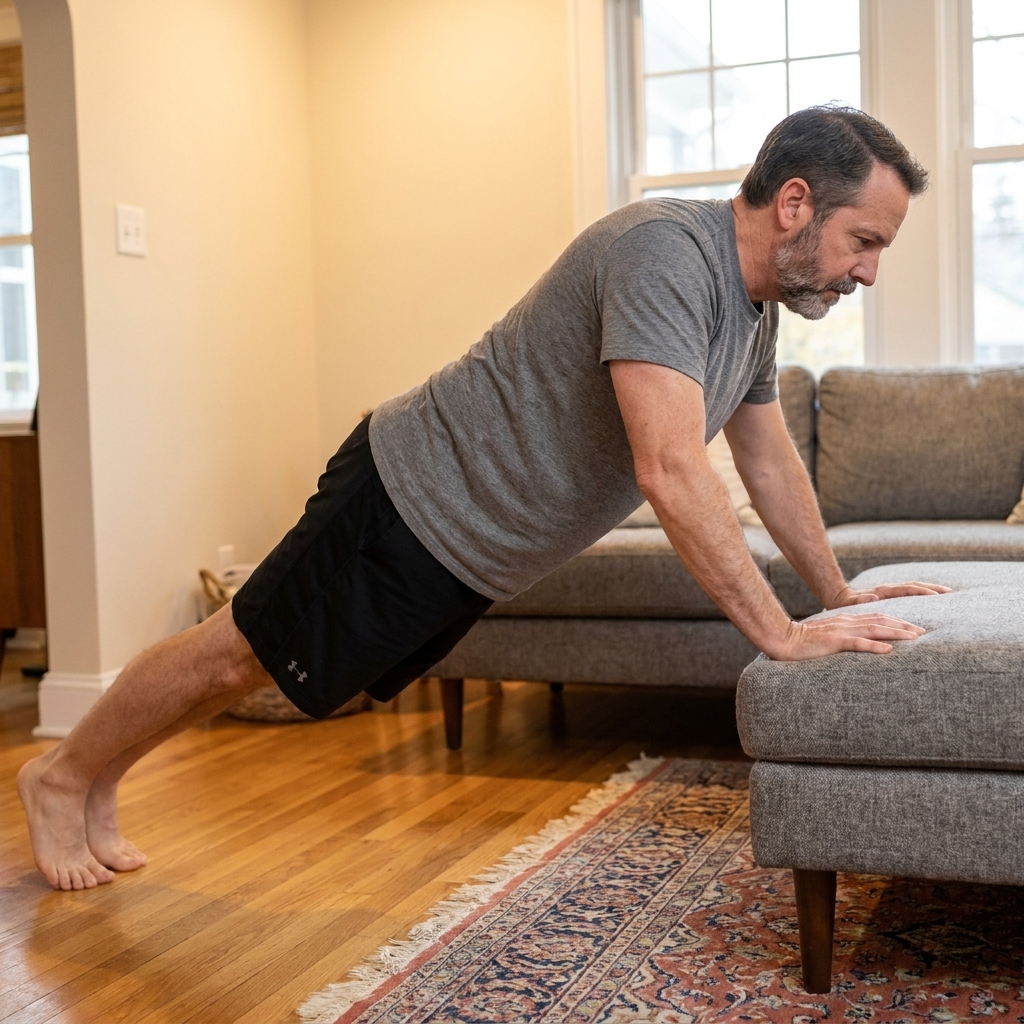
- Incline plank (hands on a sturdy couch or counter)
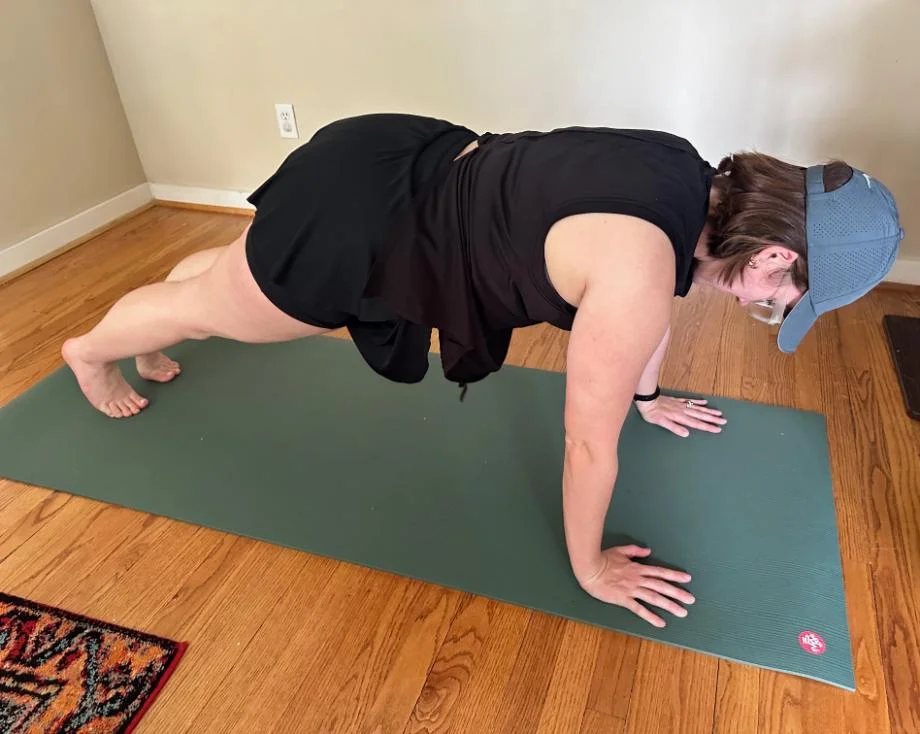
- Knee plank (shorten the lever, keep hips forward)
- Forearm plank holds for 10 to 20 seconds, repeat for multiple sets
Wrist note: Forearm planks usually feel easier on wrists than high planks. If wrists still get cranky, incline forearm planks (forearms on a bench or couch) are often a comfortable next step.
How to do a crunch
Crunch setup
- Lie on your back, knees bent, feet flat
- Place fingertips lightly behind your ears or cross arms on your chest
- Exhale as you lift shoulder blades slightly off the floor
- Think “ribs toward hips,” not “chin toward chest”
- Lower slowly with control
Range of motion matters
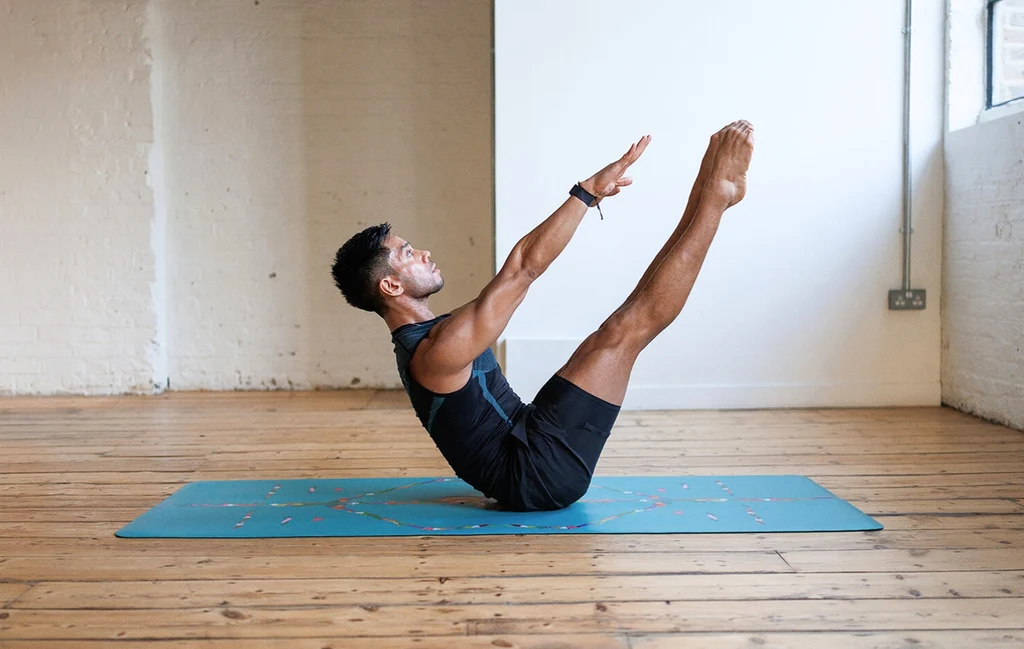
A crunch is small on purpose. If you are trying to sit all the way up, you are turning it into a sit-up and inviting hip flexors to dominate.
Beginner-friendly crunch tweaks
- Hands on ribs: feel the ribs pull down as you curl
- Feet slightly farther away: can reduce hip flexor takeover for some people
- Tempo: 1 second up, 2 to 3 seconds down
Common mistakes
Plank mistakes
- Sagging hips → tighten glutes, shorten the set, or do an incline plank
- Butt too high → bring hips down until your body is a straight line
- Holding your breath → reduce intensity and practice steady breathing
- Elbows too far forward → stack elbows under shoulders
Crunch mistakes
- Pulling on the head → keep hands light, elbows wide, lead with the ribs
- Neck strain → tuck chin slightly as if holding an egg under it
- Feet anchored and hip flexors take over → do smaller reps and slow the lowering phase
- Rushing reps → control beats quantity, almost every time
Which is better?
For most home fitness beginners, planks are usually better for core strength because they train stability, bracing, and whole-torso control with less repetitive spinal bending.
Crunches are usually better for targeted ab flexion strength and muscle burn, as long as your neck and back tolerate them and your form stays clean.
If you want the simplest rule:
- Choose planks if you want stronger bracing, better trunk control, and a more “athletic” core.
- Choose crunches if you specifically want to train the curling action of the abs and you can do them without discomfort.
A simple 10 minute core plan
This is one of my go-to “small apartment” core finishers. Do it 3 times per week.
Option A: Plank-first
- Forearm plank: 3 sets of 15 to 30 seconds (rest 30 to 45 seconds)
- Dead bug (no equipment): 2 sets of 6 to 10 reps per side
- Side plank (knees or feet): 2 sets of 10 to 20 seconds per side
Option B: Mix in crunches
- Forearm plank: 2 sets of 15 to 30 seconds
- Controlled crunch: 2 to 3 sets of 8 to 15 reps
- Side plank: 2 sets of 10 to 20 seconds per side
Option C: No-crunch alternative
- Forearm plank: 2 to 3 sets of 15 to 30 seconds
- Bird dog: 2 sets of 6 to 10 reps per side
- Side plank: 2 sets of 10 to 20 seconds per side
Progress by adding 5 seconds to planks or 2 reps to crunches each week, not by turning every session into a max-effort test.
FAQ
Do planks build abs better than crunches?
Planks build strong abs in a bracing role, which is the job your abs do most of the day. Crunches build the abs in a shortening role. For visible definition, nutrition and overall training matter more than choosing one move.
Are crunches bad for your back?
Not automatically. Some backs tolerate crunches fine. If you feel pain (not just effort) in your low back or neck, swap to planks, dead bugs, bird dogs, or side planks and consider getting evaluated if pain persists.
How long should I hold a plank?
Hold a plank as long as you can maintain clean form and steady breathing. For beginners, that is often 10 to 30 seconds. Multiple quality sets beat one shaky minute.
Should I do planks every day?
You can do light planks frequently, but most people do great with 3 to 4 days per week. If your shoulders, elbows, or wrists get cranky, take a day off or use an incline plank.