Follow this day-by-day, gym-free bodyweight plan built for true beginners. Short sessions, clear reps, built-in rest days, and simple progressions for real r...
Home Pulse Fit
•
home workouts and fitness
The 100-Rep Daily Bodyweight Challenge
A simple, gym-free daily challenge: hit 100 reps with beginner-friendly bodyweight staples. Get the rules, safe form cues, modifications, pulling options, and weekly progress ideas.

Marcus Thorne
Marcus Thorne is an NASM-certified personal trainer and the creator behind Home Pulse Fit. After successfully transforming his own health using only bodyweight routines in his small apartment, he left his demanding corporate career to help others do the same. Today, he is dedicated to making fitness accessible, sustainable, and entirely gym-free for busy beginners.
Published
October 18, 2026
Updated
October 18, 2026
If you have ever felt like fitness requires a perfect schedule, a gym membership, and a whole lot of motivation, this challenge is your reset button. The 100-Rep Daily Bodyweight Challenge is exactly what it sounds like: pick smart, basic moves and accumulate 100 quality reps. Not 100 fast reps. Not 100 painful reps. Just 100 reps you can repeat tomorrow.
I started doing challenges like this in a cramped apartment living room when my “all or nothing” gym plans kept collapsing. What finally worked was a small daily target I could hit even on busy days. Consistency beats intensity. This is built for that.
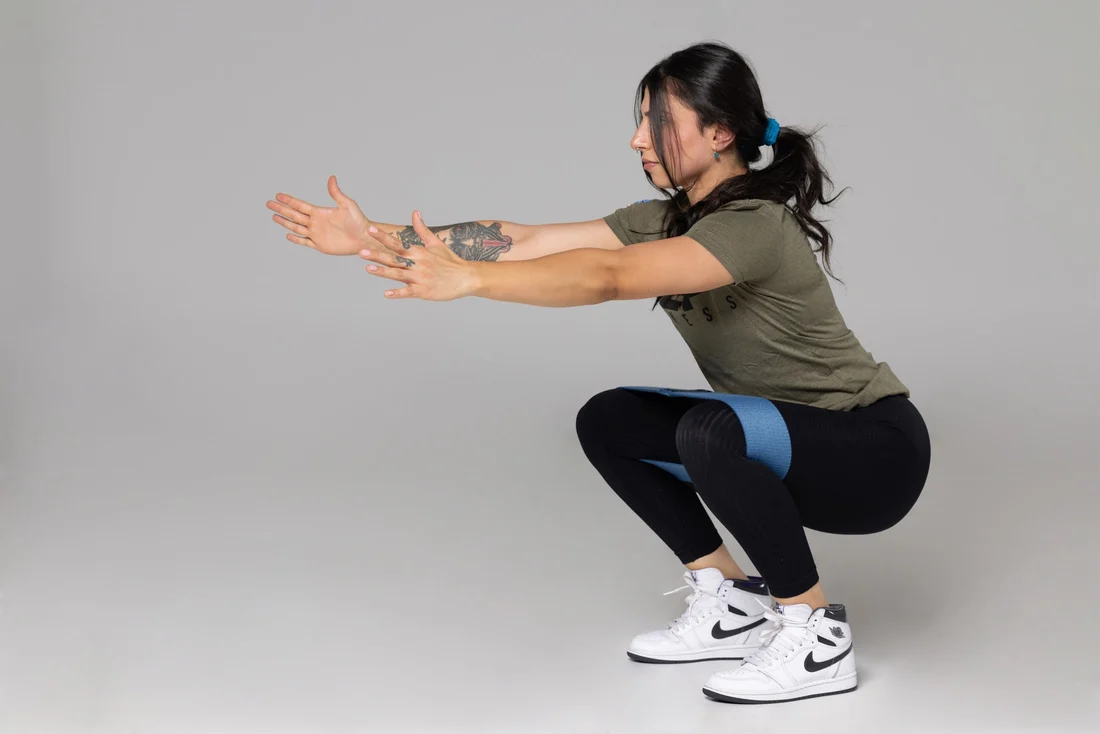
What counts as the 100 reps
Your goal is 100 total reps using one move or a mix of moves. A good starting point is 2 to 4 exercises so no single joint or pattern takes all the wear and tear every day.
Two easy ways to structure it
- Single-move day: 100 reps of one exercise (example: 100 squats).
- Mixed day: Split 100 across multiple moves (example: 40 squats + 30 incline pushups + 30 dead bugs).
Either way, the reps should be clean. If your form falls apart, that is your body asking for a break or a modification.
The rules
- Rule 1: Quality reps only. Stop a set when your form changes, your range shrinks, or you start holding your breath.
- Rule 2: Pick joint-friendly options. No move should hurt your wrists, knees, shoulders, or back.
- Rule 3: Leave 2 to 3 reps in the tank. This should feel like “I could do a little more,” not “I barely survived.”
- Rule 4: Warm up for 2 to 4 minutes. Your body is not a light switch.
- Rule 5: Track it. A note on your phone counts. What gets tracked gets repeated.
Safety baseline: You should feel muscles working and breathing pick up. You should not feel sharp pain, pinching, numbness, or joint pain. If you do, swap the move and keep the habit.
If you are pregnant, recovering from an injury or surgery, or managing a medical condition, get the green light from a clinician or physio first. This is meant to be helpful, not heroic.
Pick your challenge style
Option A: 100 of one
Pick one move and accumulate 100 reps however you want: 10 sets of 10, 20 sets of 5, or one rep at a time between meetings. This is great for building a habit.
Option B: 100 total circuit
Pick 3 to 4 moves and rotate through them until you hit 100 total reps.
Example: 25 squats + 25 incline pushups + 25 glute bridges + 25 dead bugs.
Option C: EMOM-ish
Set a timer for 10 minutes. Each minute, do 10 reps of an exercise. Rest the remainder of the minute. That is 100 reps in 10 minutes.
Important: if you cannot finish the reps and still have time to breathe, reduce the reps per minute or choose an easier variation. This is practice, not a daily test.
Best moves
These are staples because they are effective, easy to scale, and friendly for most beginners when done with control.
Lower body
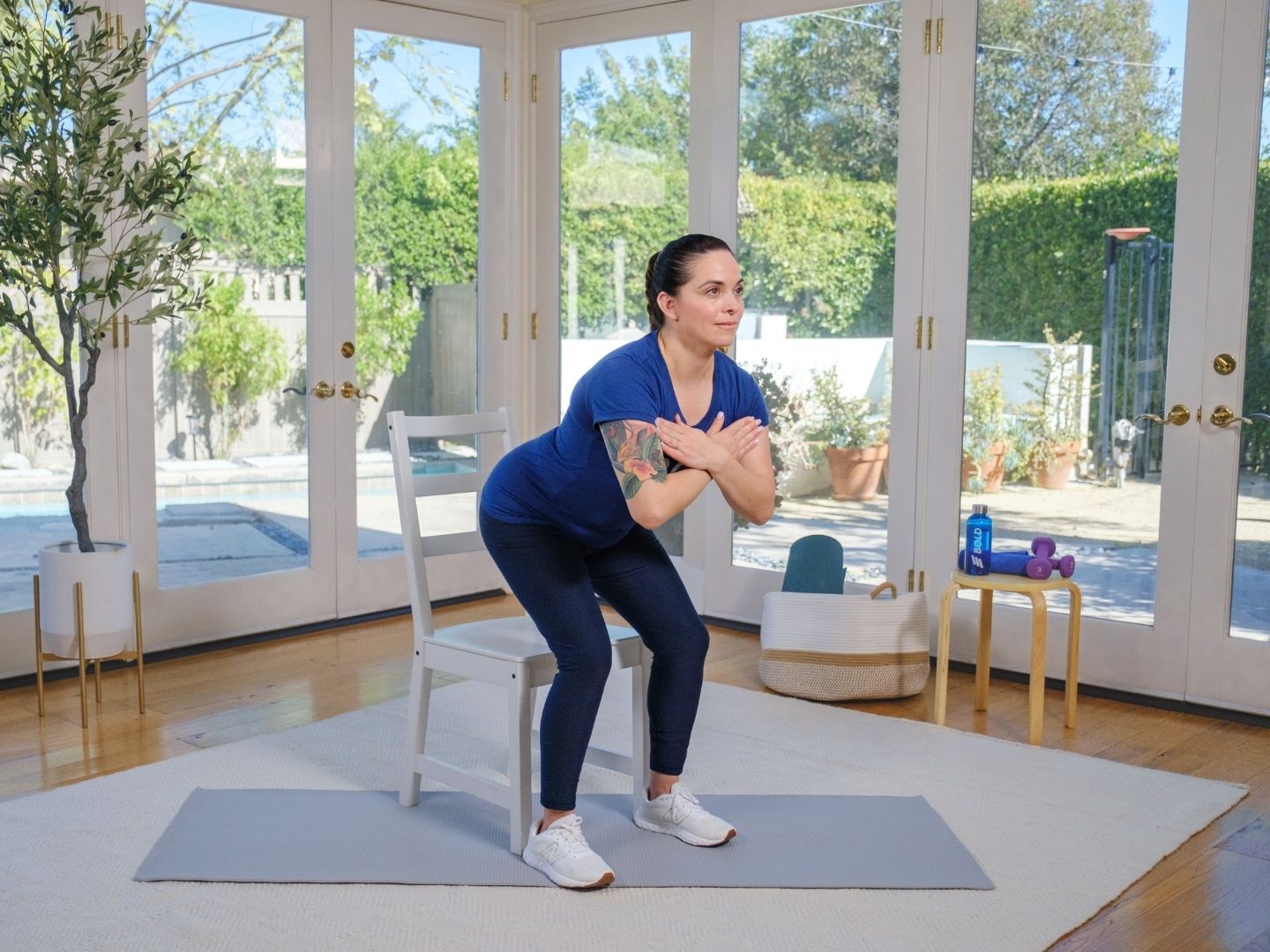
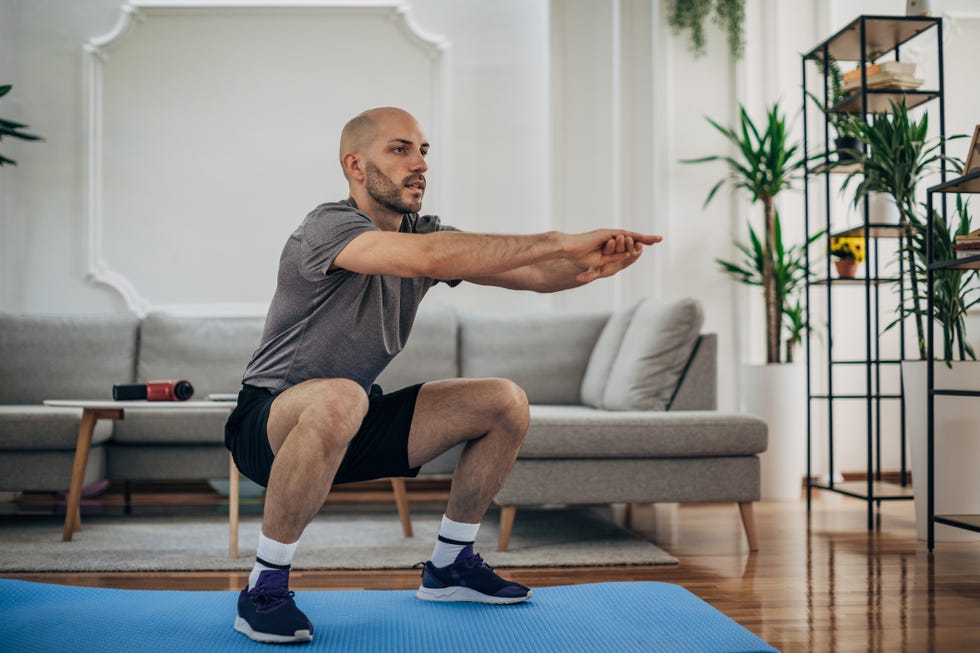
- Squat (or chair squat)
- Reverse lunge (often feels kinder on knees for many people, but only use a pain-free range)
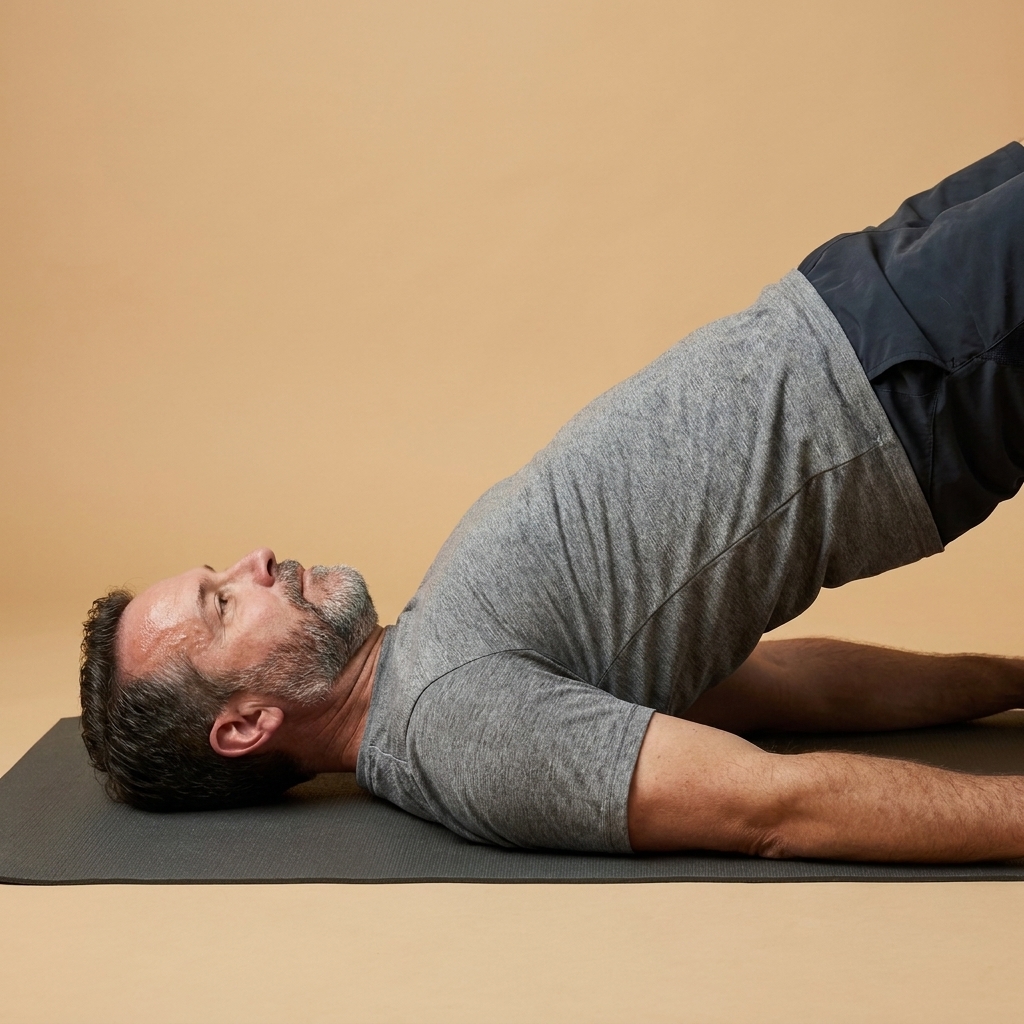
- Glute bridge
- Calf raise (great low-stress option)
Upper body
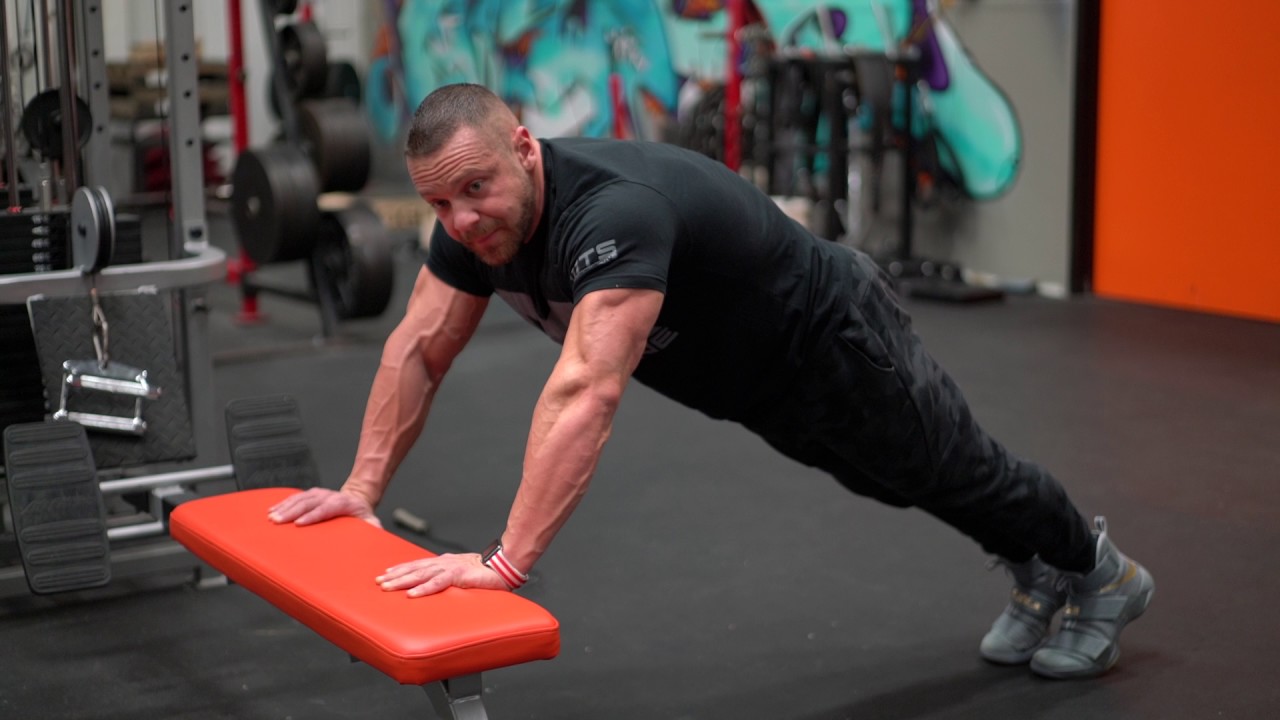
- Incline pushup (hands on counter, sturdy table, or couch)
- Wall pushup (if wrists or shoulders need a gentler angle)
- Pike pushup (more advanced shoulder work)
- Close-grip incline pushup (a shoulder-friendlier triceps option for most people)
- Chair triceps dip (optional only, skip it if shoulders feel cranky and default to close-grip incline pushups instead)
Core and posture
- Dead bug
- Bird dog
- Side plank (use a simple conversion so it still “counts,” like 10 seconds = 1 rep)
- Hollow hold progression (advanced)
Pulling (harder to do with pure bodyweight)
- Band row (if you have a loop band)
- Towel row (only if you can anchor it safely and test it gently first)
- Prone W raise (lying face down, squeeze shoulder blades, great no-equipment pull substitute)
Bodyweight-only pulling is limited without a bar, straps, or a band. If you can add a simple band row a couple times a week, your shoulders will usually thank you.
Beginner modifications
If you are new, your best version of this challenge is the one that you can repeat tomorrow without feeling wrecked.
Pushup modifications
- Wall pushups: easiest, very joint-friendly.
- Counter or couch incline pushups: the sweet spot for most beginners.
- Knee pushups: fine for some people, but many find incline feels better on shoulders and teaches a stronger plank.
Squat modifications
- Chair squats: tap a chair lightly, stand back up.
- Box squat to a couch: sit back, keep feet flat, stand with control.
- Partial range: shorten depth if knees complain, then gradually build range.
Lunge modifications
- Reverse lunge: for many people this is the friendlier lunge, but the right lunge is the one you can do pain-free.
- Split squat hold: hold a comfortable bottom range for 10 to 20 seconds instead of counting reps.
- Support option: fingertips on a wall or chair for balance.
Core modifications
- Dead bug with heels on floor: move slowly, keep ribs down.
- Bird dog: smaller limb reach, steady hips.
Progressions
If 100 reps feels easy, you do not need to turn this into a punishment. Just make the movement slightly harder while keeping form crisp.
- Tempo reps: 3 seconds down, 1 second up.
- Pauses: 1 to 2 second pause at the hardest point.
- Range of motion: deeper squats, chest closer to the surface on pushups, controlled full extension.
- Harder variations: decline pushups, close-grip pushups, shrimp squat progression, single-leg glute bridges.
My favorite progression: keep the same exercise for 2 weeks, but make your reps slower and cleaner. It is boring in the best way. Your body adapts fast.
Warm-up
This is the minimum effective warm-up I use when time is tight.
- 30 seconds: march in place or step jacks
- 30 seconds: arm circles and shoulder rolls
- 30 seconds: hip hinges (hands on thighs, push hips back)
- 30 seconds: bodyweight squats to a comfortable depth
- Optional 30 to 60 seconds: plank on a counter to wake up your core
Weekly structure
Doing “100 reps” daily can be fantastic. Doing the same 100 reps daily can get cranky fast. Use a simple rotation.
Beginner-friendly weekly rotation
- Day 1: Squat + dead bug
- Day 2: Incline pushup + glute bridge
- Day 3: Reverse lunge + bird dog
- Day 4: Easy day, choose one: calf raises, wall pushups, or a 20-minute walk
- Day 5: Squat + side plank (10 seconds = 1 rep)
- Day 6: Incline pushup + prone W raises or band rows
- Day 7: Off or mobility
If you love daily streaks, keep the streak but lower the intensity on 1 to 2 days each week. Think “practice,” not “test.” If soreness is loud, that is usually your cue to choose an easier variation, shorten range, or take a walk instead. Sleep and hydration do more for recovery than most people want to admit.
Form cues
Squats
- Keep your whole foot planted, especially the heel.
- Sit back like you are reaching for a chair.
- Knees track roughly in line with toes.
- Stop before you lose a neutral torso position (do not chase depth if it makes your hips tuck under).
Pushups (especially incline)
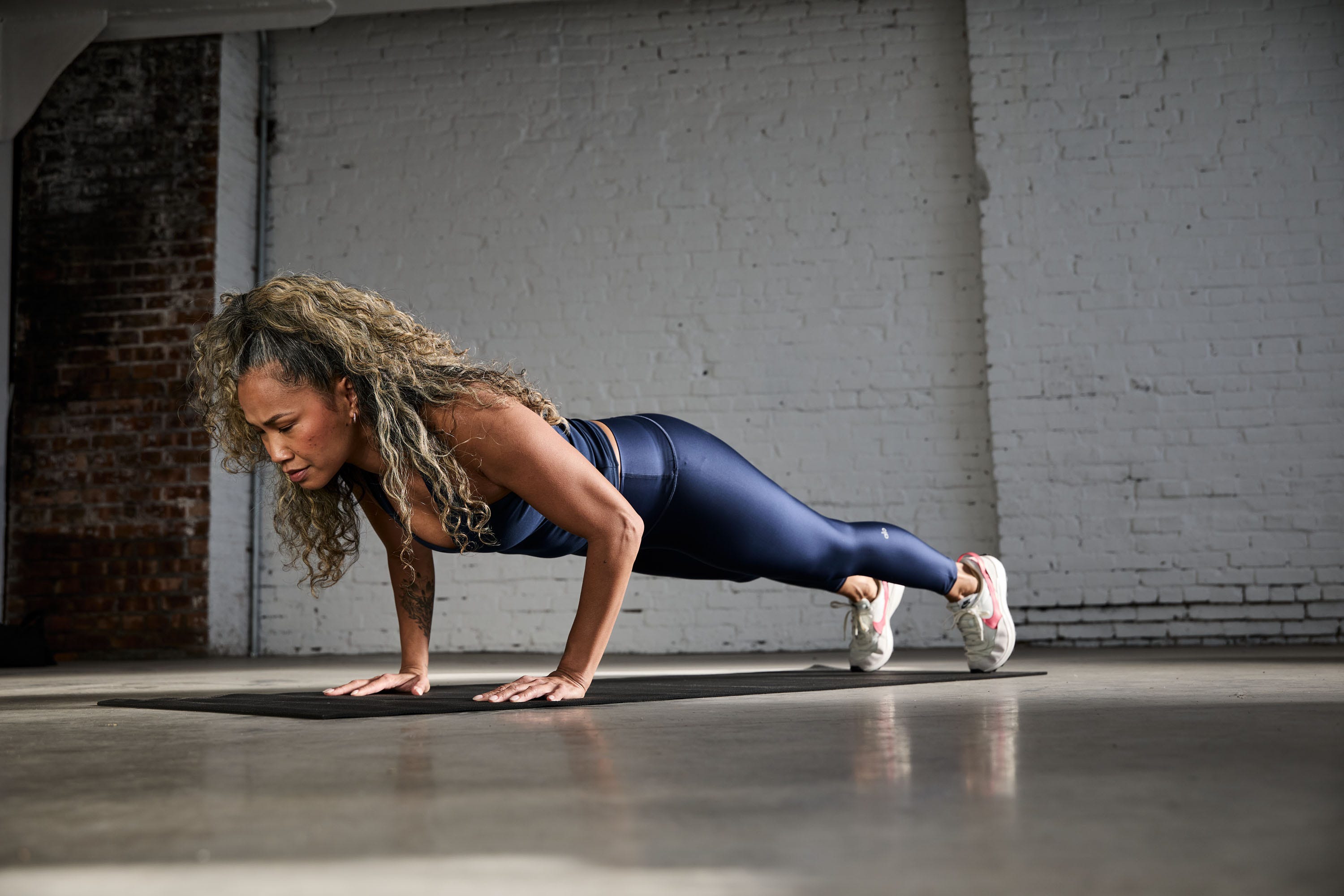
- Hands slightly wider than shoulders.
- Body moves as one unit, like a plank.
- Elbows about 30 to 45 degrees from your sides.
- Press the surface away and finish with straight arms.
Dead bug
- Exhale as your arm and leg extend.
- Keep your lower back gently connected to the floor.
- Go slower than you think you need to.
If you want one universal cue: move smoothly and breathe. Most “bad reps” happen when we rush or hold our breath.
Rep schemes
People get stuck because they aim for heroic sets. Here are practical patterns that keep you moving.
- 10 x 10: classic, simple, great for squats and incline pushups.
- 20 x 5: perfect if you are deconditioned or short on time.
- Ladder: 1-2-3-4-5, repeat until 100. This keeps it mentally fresh.
- Micro-sets: 5 reps every time you enter the kitchen. It counts.
Common mistakes
Going to failure every day
Fix: Stop each set with a little left in the tank. Your goal is repeatability.
Picking a move that aggravates a joint
Fix: Change the angle or range. Wall and incline variations solve a lot.
Only training one pattern
Fix: Rotate between squat, hinge or bridge, push, pull, and core across the week.
Rushing the reps
Fix: Use a slow lowering phase. If you cannot control the down part, the move is too hard right now.
30-day version
If you want a clear start and finish, do 30 days with a built-in safety valve.
- Days 1 to 7: Choose easier variations. Learn the moves.
- Days 8 to 21: Aim to complete 100 reps in fewer total sets, or with cleaner form.
- Days 22 to 30: Add a small progression: slower tempo, a slightly lower incline for pushups, or a deeper squat range.
Non-negotiable rule: Take at least 1 to 2 low-intensity days per week where you keep the streak but choose gentle options (calf raises, wall pushups, easy core holds, pulling accessory like prone W raises, or walking).
Quick FAQ
Is 100 reps a day too much?
It depends on the exercise, your current fitness level, and how hard you push. One hundred controlled chair squats spread across the day is very different from 100 deep jump squats. Start easy, rotate movements, and keep 1 to 2 lighter days weekly.
How long should this take?
If you do it in one session, many people land around 10 to 20 minutes, depending on rest, exercise choice, and fitness level. You can also split it into mini-sets throughout the day.
Can I do this if I have knee or wrist pain?
You can often work around it, but do not push through joint pain. For knees, use chair squats, shorter range, and glute bridges. For wrists, try wall pushups, incline pushups with hands on a folded towel, or pushup handles if you have them.
Do I need rest days?
You need recovery, yes. That can be a full day off or a lighter day. The goal is daily practice without daily punishment.
Your first day plan
If you want a no-thinking start, do this:
- Warm-up: 2 minutes (march + arm circles + 10 easy squats)
- 50 chair squats (5 sets of 10)
- 30 incline pushups (6 sets of 5)
- 20 dead bugs total (alternate sides, 10 per side, slow and controlled)
That is 100 quality reps, full-body, beginner-friendly, and repeatable tomorrow. When you are ready, lower the incline a little, squat a little deeper, or reduce how many sets it takes. Tiny wins stack fast.