A simple, practical way to create HIIT circuits at home with limited room. Pick smart moves, choose repeatable intervals, and progress without burning out.
Home Pulse Fit
•
home workouts and fitness
5 Full-Body Cardio Exercises You Can Master Without Equipment
Master five no-equipment cardio moves that hit your whole body: burpees, mountain climbers, high knees, squat jumps, and skater hops. Includes form cues, beginner options, and a simple workout.

Marcus Thorne
Marcus Thorne is an NASM-certified personal trainer and the creator behind Home Pulse Fit. After successfully transforming his own health using only bodyweight routines in his small apartment, he left his demanding corporate career to help others do the same. Today, he is dedicated to making fitness accessible, sustainable, and entirely gym-free for busy beginners.
Published
October 18, 2026
Updated
October 18, 2026
If you think “real cardio” requires a treadmill or a packed gym, I get it. I used to believe the same thing. Then I started doing short bodyweight sessions in a small apartment, and it clicked: you can drive your heart rate up hard with nothing but smart movement.
Below are my five favorite full-body cardio exercises to master at home. These are simple, effective, and scalable for true beginners. You will also get form cues, easier options, and a plug-and-play workout at the end.
Before you start: quick setup and safety
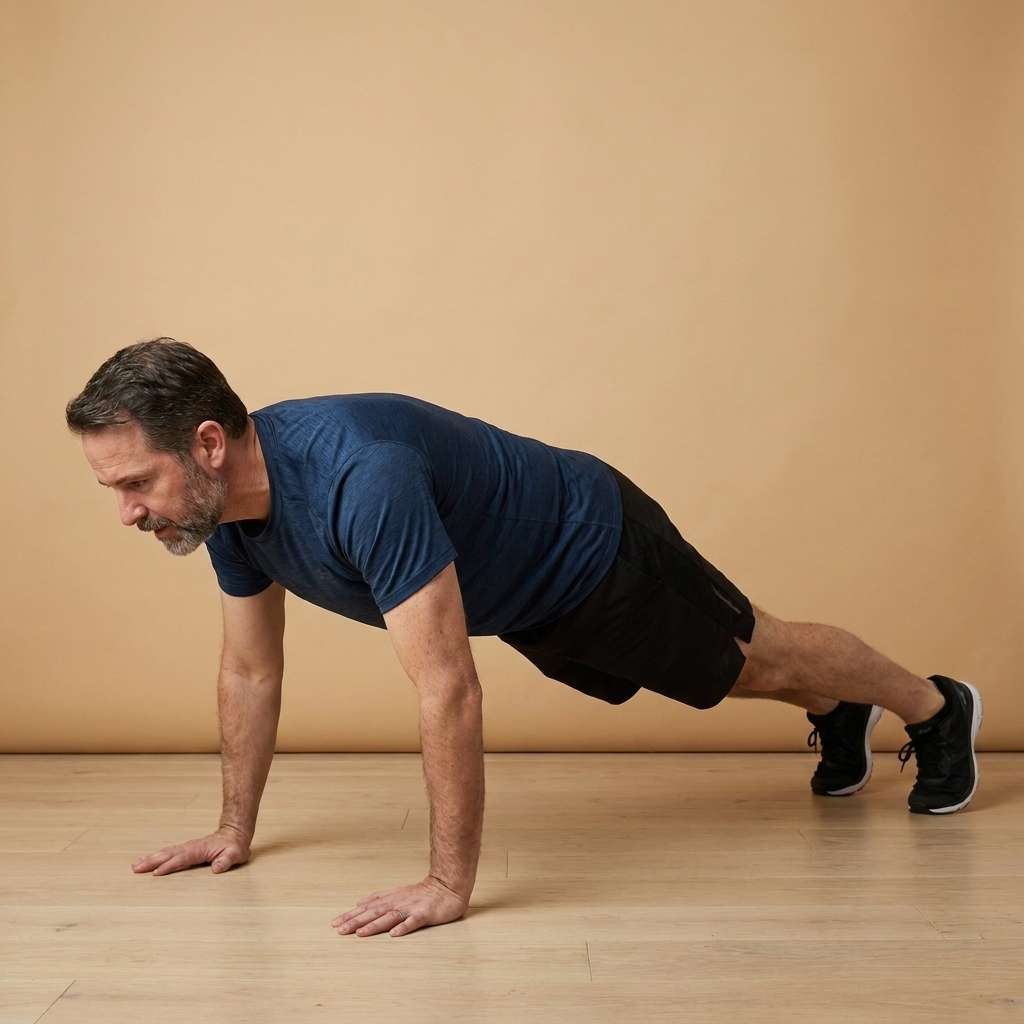
Space check
- Clear a 6 by 6 foot area if you can. Move a coffee table, slide a rug, and give yourself elbow room.
- Shoes optional on stable, grippy flooring. If you are on tile, hardwood, or a slippery rug, wear trainers for traction. If jumping hurts your feet or ankles, shoes can help too.
- Keep impact optional. Several moves below can be plyometric. You can get a great workout using the low-impact versions if your joints are cranky, you live above someone, or you are just easing in.
Quick safety note
If you feel sharp pain (not normal effort), dizziness, or tingling, stop and reset. When in doubt, check in with a qualified clinician or coach, especially if you are pregnant, returning from injury, or managing a heart or joint condition.
Warm-up (2 minutes)
Do 20 seconds each, repeat once. Total: about 2 minutes.
- March in place with big arm swings
- Hip hinges (hands on thighs, push hips back)
- Bodyweight squats (comfortable depth)
- Plank walkouts (slow, short range)
- Easy jumping jacks (or step jacks)
Intensity rule that keeps you consistent
For most beginners, the sweet spot is working hard but staying in control. You should be breathing heavier, but still able to say a short sentence. If your form falls apart, slow down before you push harder.
1) Burpees
If I could pick one move that gives you the most “bang for your buck” at home, it is the burpee. Done well, it is a full-body strength and cardio combo: legs, core, chest, shoulders, and lungs all show up to work.
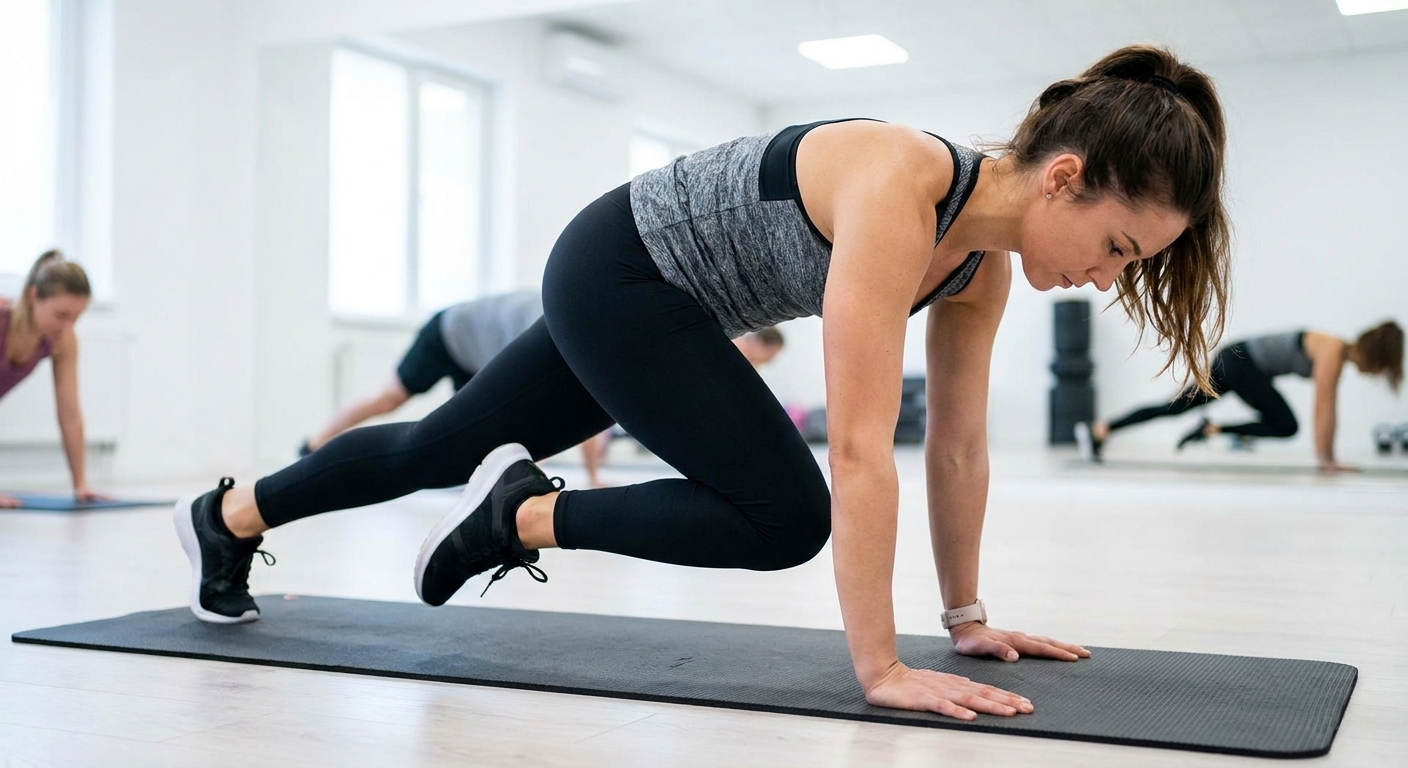
How to do it
- Stand tall, feet about hip-width.
- Hands down: hinge at the hips, then bend knees, plant hands under shoulders.
- Get to plank: jump or step your feet back until your body is a straight line from head to heels.
- Optional push-up: lower chest toward the floor with elbows about 30 to 45 degrees from your body.
- Feet back in: jump or step your feet in near your hands (wherever your hips comfortably allow).
- Stand up and reach: drive through your feet to stand. Add a small jump if it feels good.
Coach cues
- Hands under shoulders, not way out in front. It protects your wrists and keeps you strong.
- Brace your midsection in the plank. Think “ribs down.”
- Land quietly when you hop your feet in or out.
Common mistakes
- Hips sagging in plank (lower back takes over). Reset and squeeze glutes.
- Chest collapsing on the way down. Move slower or skip the push-up.
- Going too fast too soon. Smooth beats frantic.
Make it easier
- Step-back burpee instead of jumping feet back.
- No push-up, no jump. Stand and reach tall.
- Hands elevated on a sturdy couch or countertop to reduce load.
Make it harder
- Add a push-up.
- Add a vertical jump with soft knees.
- Add a tuck only if you can land quietly and control your knees.
2) Mountain climbers
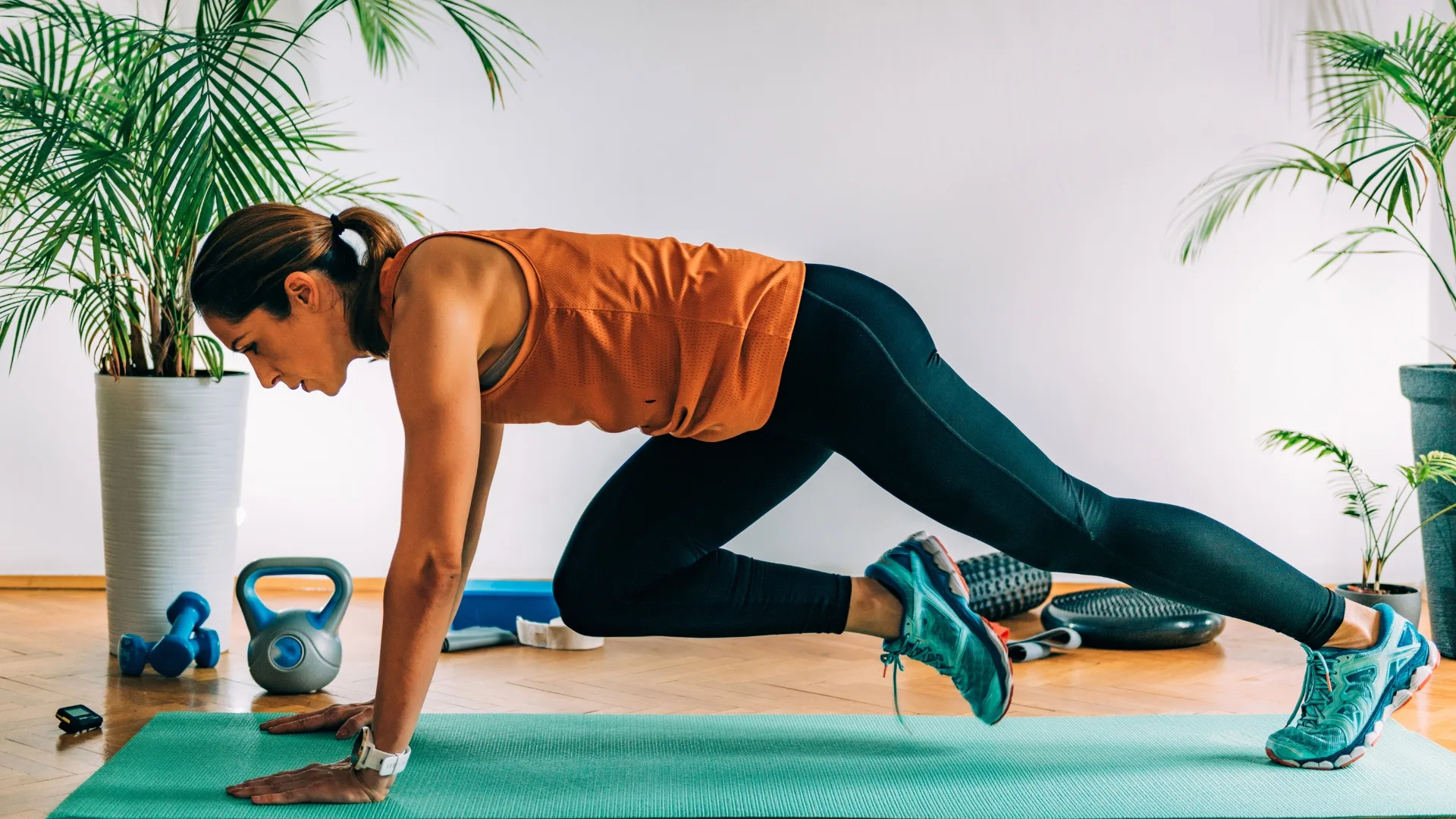
Mountain climbers are sneaky. They look like “just legs,” but when your shoulders stay stacked and your core stays tight, they become a full-body cardio move that lights up your abs, arms, and hip flexors.
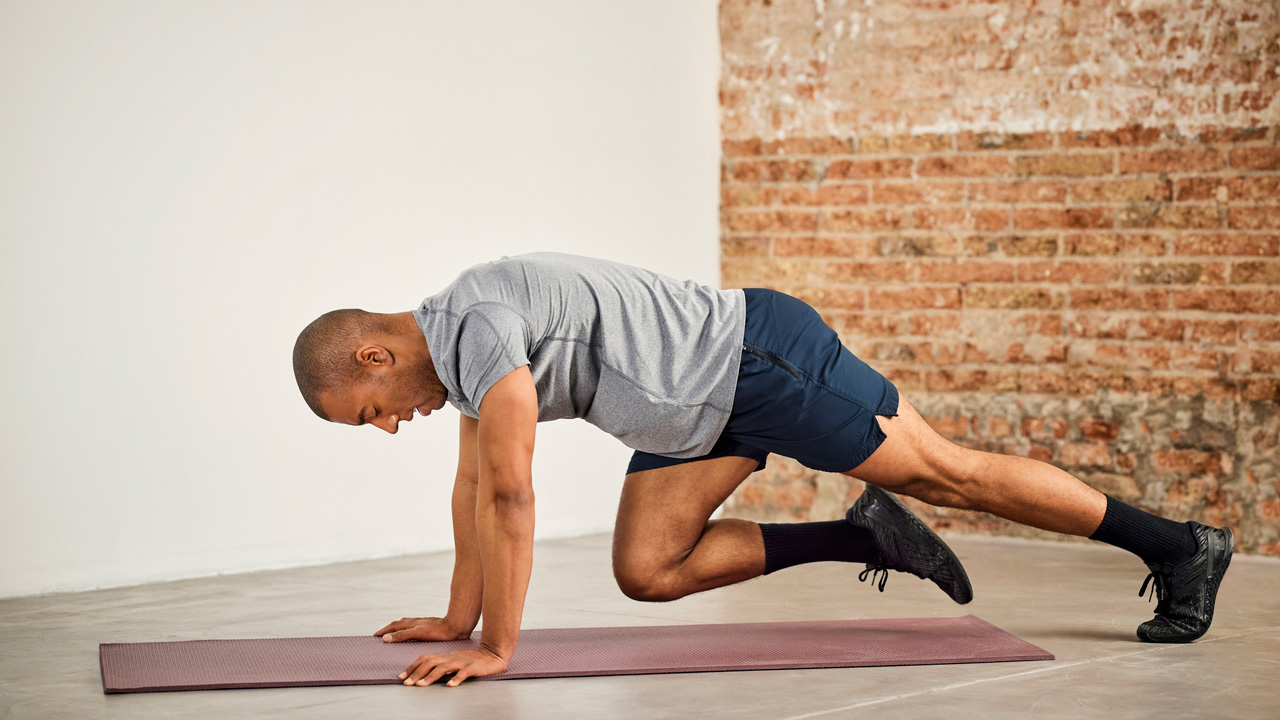
How to do it
- Start in a high plank: hands under shoulders, feet back, body straight.
- Drive one knee toward your chest while keeping your chest broad and core braced (avoid letting shoulders slump).
- Switch legs smoothly, like you are running in place but in plank.
Coach cues
- Push the floor away to keep shoulders stable.
- Hips level: avoid swaying side to side.
- Shorter steps are fine if it keeps your torso solid.
Common mistakes
- Hands too far forward, which overloads shoulders and wrists.
- Butt too high, turning it into a downward-dog jog.
- Stomping feet instead of quick, light switches.
Make it easier
- Slow the tempo and do single knee drives with a pause.
- Place hands on a sturdy couch for an incline.
Make it harder
- Go faster while keeping hips quiet.
- Try cross-body climbers (knee toward opposite elbow) for extra core work.
3) High knees
High knees are pure home cardio gold. They are low on complexity, high on heart rate, and easy to scale based on impact. Think of them as “running in place” with purpose.
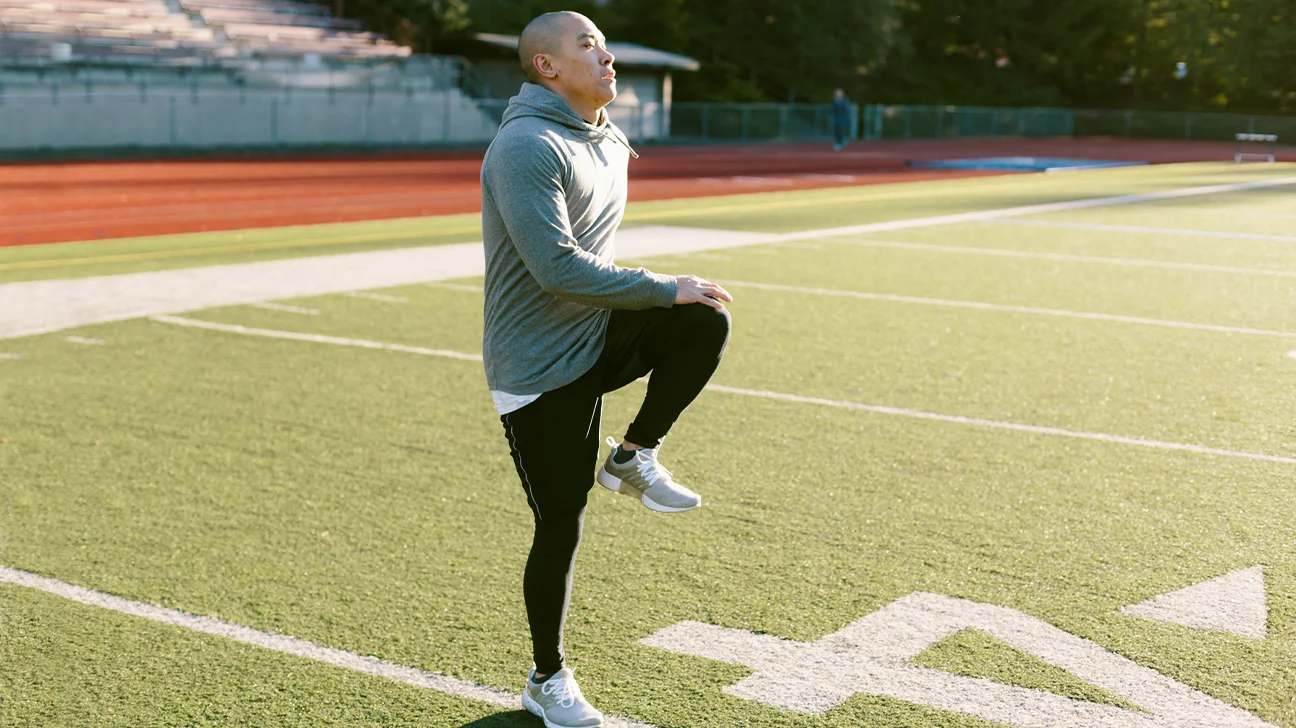
How to do it
- Stand tall with a slight forward lean from the ankles, not the waist.
- Drive one knee up toward hip height or whatever height you can control.
- Pump your arms like a strong run.
- Switch quickly, landing softly on the balls of your feet.
Coach cues
- Posture first: chest proud, head neutral, eyes forward.
- Arms set the rhythm. If your arms get lazy, your legs slow down.
- Quiet feet means better control and happier joints.
Common mistakes
- Leaning way forward and turning it into a sloppy sprint.
- Heels slamming into the floor.
- Chasing maximum knee height and losing speed and posture.
Make it easier
- Marching high knees with a strong arm drive.
- Step-ups in place (lift knee, place foot down, switch) at a steady rhythm.
Make it harder
- Increase cadence for 10 to 20 second bursts.
- Try sprinter knees with a slightly deeper athletic stance, still controlled.
4) Squat jumps
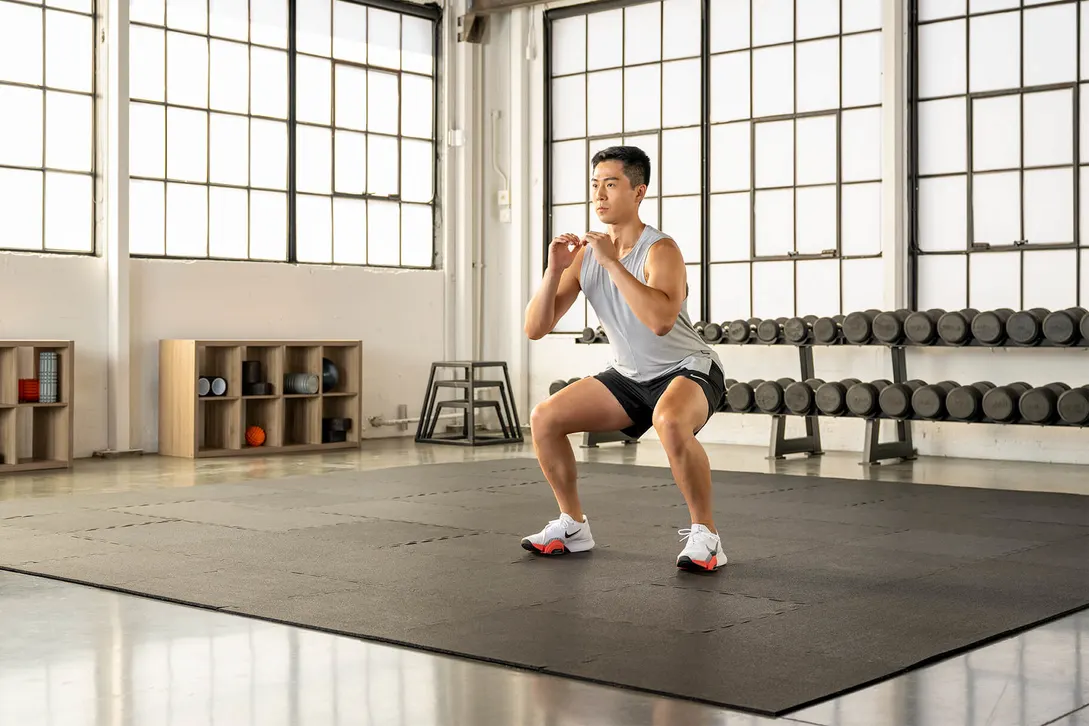
Squat jumps spike your heart rate fast. They also can help build power, which can make everyday movement feel easier, like climbing stairs or getting off the floor.
How to do it
- Set your squat: feet about shoulder-width, toes slightly out if comfortable.
- Drop into an athletic squat: hips back, knees tracking over toes, chest up.
- Jump: drive through the floor and swing arms up naturally.
- Land softly: bend knees and hips to absorb impact, returning to a squat.
- Stand, reset, repeat.
Coach cues
- Land like you are trying not to wake anyone up.
- Knees track with toes, not collapsing inward.
- Depth is optional. Your best squat is the one you can control.
Common mistakes
- Stiff-legged landings that jar ankles, knees, and back.
- Knees caving in on takeoff or landing.
- Doing too many reps and turning every landing into a crash.
Make it easier
- Fast squats with no jump.
- Squat to calf raise (rise onto toes at the top) for a lower-impact cardio feel.
Make it harder
- Add a pause at the bottom for 1 second, then jump.
- Increase height only if you can keep landings quiet.
5) Skater hops
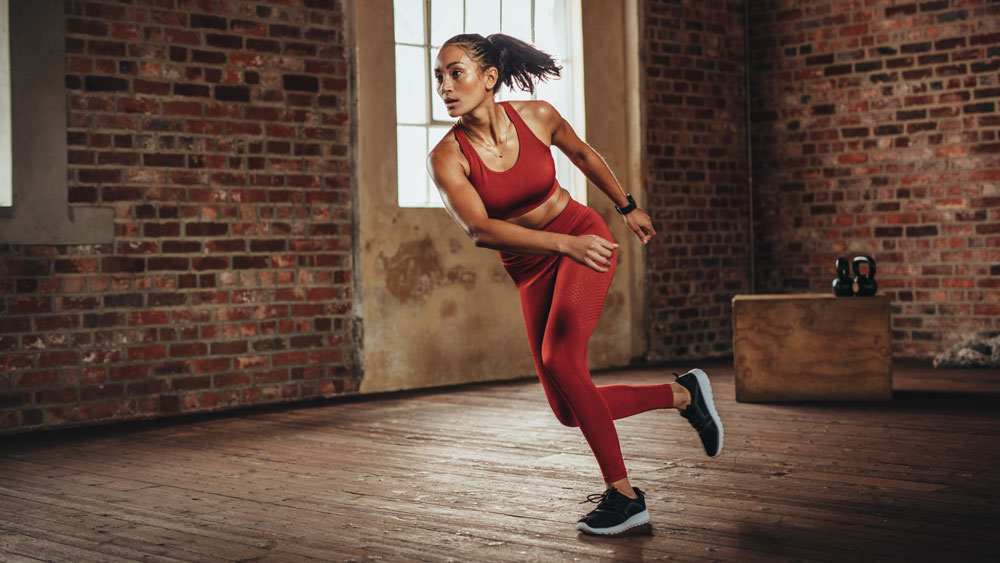
Skater hops train side-to-side movement that most of us miss when we only jog or do straight-ahead cardio. They challenge your legs, glutes, balance, and cardio system all at once.
How to do it
- Start in an athletic stance: knees soft, hips back slightly.
- Hop to the right and land on your right foot with a bent knee.
- Let the left leg sweep behind lightly like a speed skater.
- Hop to the left and repeat.
Coach cues
- Stick the landing for a split second before hopping again.
- Keep your chest up, eyes forward.
- Use your arms to balance and drive.
Common mistakes
- Knee collapsing inward when you land. Shorten the hop and focus on control.
- Landing tall with a straight leg. Always land with a soft bend.
- Too much speed before you own the pattern.
Make it easier
- Step-to skaters: step wide right, tap left foot behind, step wide left, tap right behind.
- Keep hops small and controlled.
Make it harder
- Increase distance slightly while keeping stable landings.
- Add a reach to the outside foot for more glute and core demand.
Put it together: a simple no-equipment cardio workout
This is the exact kind of session I used to do in my living room when I was rebuilding consistency. It is short, focused, and repeatable.
Option A: 15-minute beginner intervals
- Warm-up: 2 minutes
- Work: 30 seconds
- Rest: 30 seconds
- Do: 2 rounds of the circuit below
- Rest between rounds: 1 minute (longer if you need it)
Circuit (5 moves)
- High knees (or marching high knees)
- Mountain climbers (slow and solid)
- Skater hops (or step-to skaters)
- Squat jumps (or fast squats)
- Burpees (step-back version is perfect)
How it adds up: Each round is 5 minutes. Two rounds is 10 minutes, plus a 2-minute warm-up and a 1-minute break between rounds equals about 13 minutes. Add a 2-minute cool down to make it a clean 15.
Option B: 15-minute faster conditioning
- Work: 40 seconds
- Rest: 20 seconds
- Do: 3 rounds
If form starts to slip, switch to the easier variation immediately. That is not quitting. That is training smart.
Option C: low-impact only
If you want zero jumping today, run this as 30 seconds on, 30 seconds off for 2 to 3 rounds:
- Marching high knees
- Incline mountain climbers (hands on couch)
- Step-to skaters
- Fast squats or squat to calf raise
- Step-back burpees with no push-up and no jump
Form checkpoints
- Can I land quietly? If not, reduce jump height or remove impact.
- Can I keep a strong plank? If not, slow mountain climbers or elevate hands.
- Are my knees tracking with my toes? If they cave inward, shorten range and focus on control.
- Is my breathing panicky? If yes, extend rest by 15 to 30 seconds.
FAQ
How often should I do these exercises?
For most beginners: 2 to 4 sessions per week is plenty. Your goal is to finish feeling like you could do a little more next time, not like you got hit by a truck.
What if burpees hurt my wrists or shoulders?
Use hands elevated on a sturdy couch or countertop, keep hands under shoulders, and step back instead of jumping. If pain persists, skip burpees and use high knees (or marching) and step jacks while you build plank strength.
Is this enough cardio for fat loss?
These moves can absolutely help, especially if you stay consistent and pair them with manageable nutrition habits. One caveat: fat loss comes from a sustained calorie deficit over time, and cardio is just one tool that can make that easier to maintain. Combine this with daily walking and a couple of simple strength sessions each week, and you are in a great place.
What should I do after the workout?
Cool down for 2 to 3 minutes: slow march, gentle quad and hip flexor stretch, and a few deep breaths. Your nervous system will thank you.
Your next step
Pick one exercise from this list and practice it for 60 seconds today. Not a full workout. Just practice. When the movement feels less awkward, everything else gets easier, and consistency starts to feel normal.
If you want my simplest plan: do Option A twice this week, and repeat the exact same session next week. Boring is good when boring is sustainable.