A practical breakdown of planks vs. crunches for home workouts, including form cues, posture support, joint-friendly options, and simple progressions for beg...
Home Pulse Fit
•
home workouts and fitness
How to Hold a Plank Longer
Struggling to hold a plank? These simple form tweaks to elbow position, glute activation, and a gentle pelvic tuck can improve core tension and endurance at home.

Marcus Thorne
Marcus Thorne is an NASM-certified personal trainer and the creator behind Home Pulse Fit. After successfully transforming his own health using only bodyweight routines in his small apartment, he left his demanding corporate career to help others do the same. Today, he is dedicated to making fitness accessible, sustainable, and entirely gym-free for busy beginners.
Published
October 18, 2026
Updated
October 18, 2026
If your plank time stalls out fast, it is usually not because you are “weak.” It is often because your body is leaking tension. A plank is basically a full-body “make everything steady” drill, and tiny setup changes can make it feel dramatically easier or harder.
When I started training in a small apartment, I thought planks were just a grit test. Turns out, longer planks often come from better tension and better positioning. Let me show you the three tweaks that make the biggest difference right away: elbow positioning, glute activation, and a simple pelvic tilt.
What a strong plank feels like
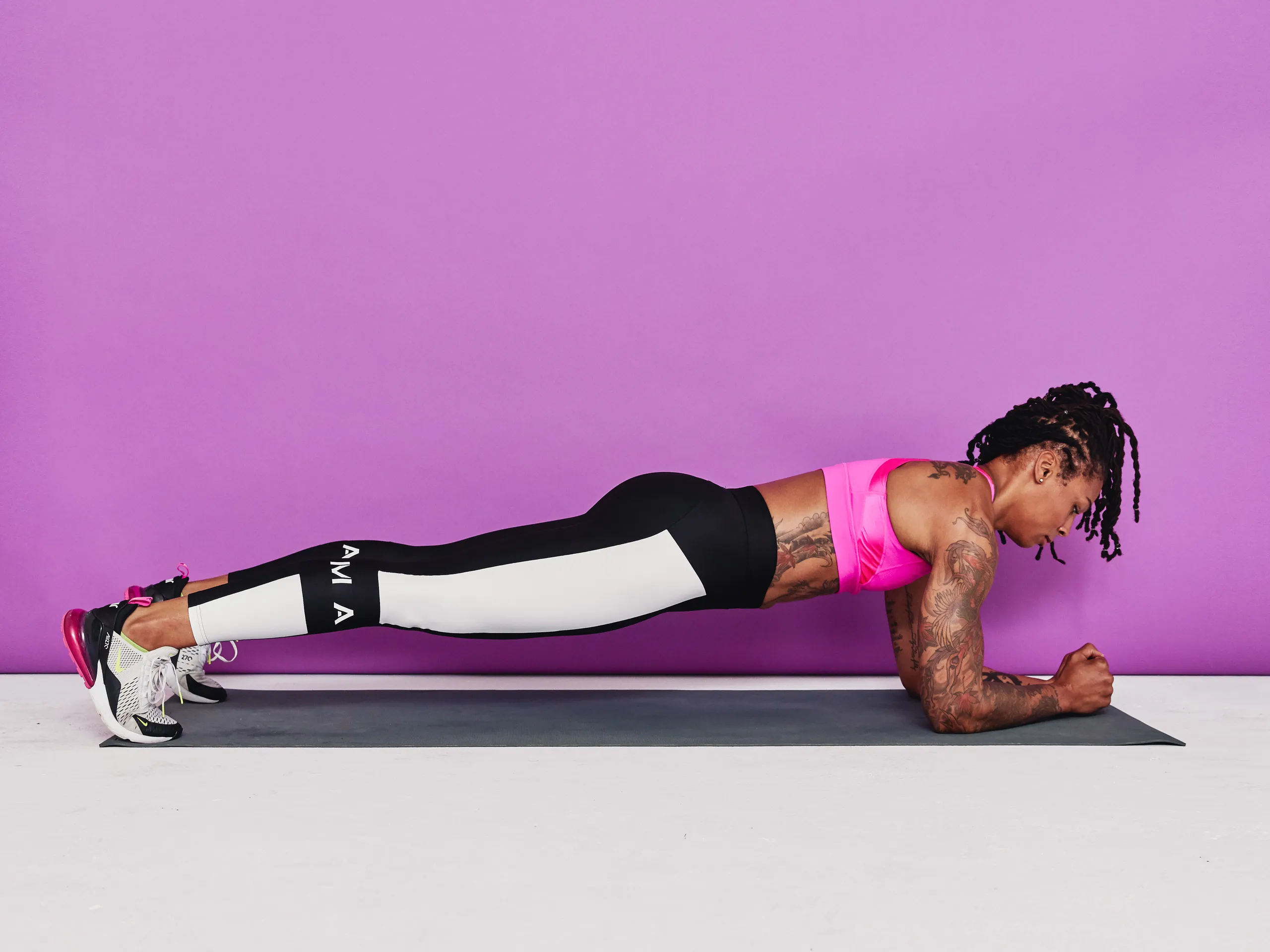
Before we tweak anything, here is the target sensation:
- Core feels braced like you are about to be lightly poked in the stomach.
- Glutes are on and your legs feel active, not floppy.
- Lower back feels quiet instead of pinchy or compressed.
- Breathing is controlled through the nose if possible, with a steady exhale.
If your plank feels like it lives only in your shoulders and lower back, you are not alone. For many people, it just means we need better positioning and better tension.
Form tweak #1: Elbows under shoulders
Your elbows are the foundation. If they drift even a couple inches off, your shoulders often work overtime and your core can have a harder time doing its job.
Quick setup
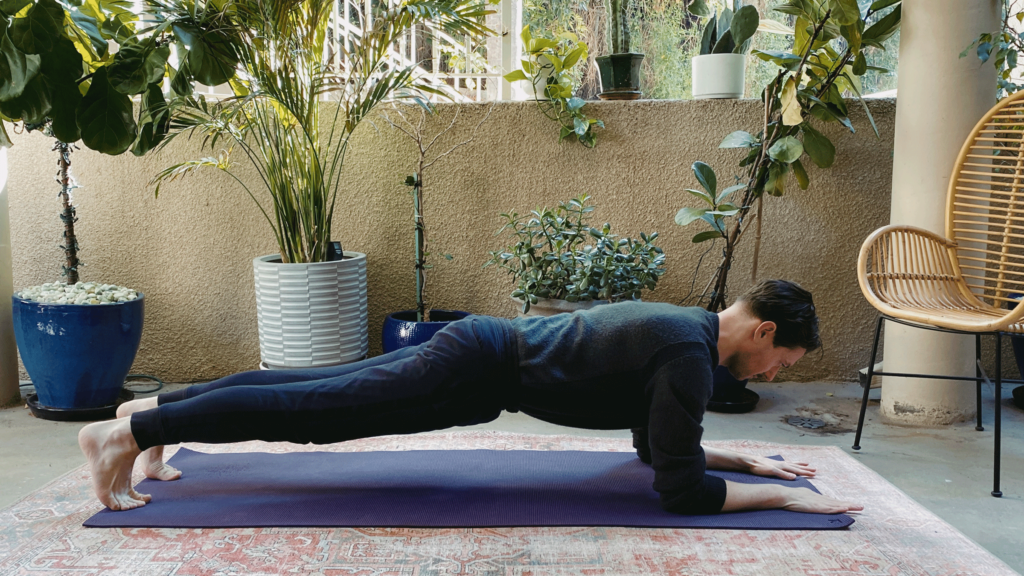
- Get on your forearms.
- Stack elbows directly under your shoulders.
- Make your forearms parallel (not angled inward like a triangle).
- Press your forearms down like you are trying to push the floor away.
Two common elbow mistakes (and fast fixes)
- Elbows too far forward: often feels like a shoulder burn and shaky upper body. Fix it by walking your elbows back until they are under your shoulders.
- Elbows too wide: can make it harder to create full-body tension. Bring them in until your forearms are about shoulder-width apart.
Coach cue: Think “shoulders over elbows.” If you can draw a straight line from shoulder to elbow, you are set.
Form tweak #2: Squeeze your glutes
This is the most underrated plank upgrade. When your glutes are not contributing, your lower back often tries to stabilize the whole situation. That is when a 20-second plank feels miserable.
How to turn glutes on
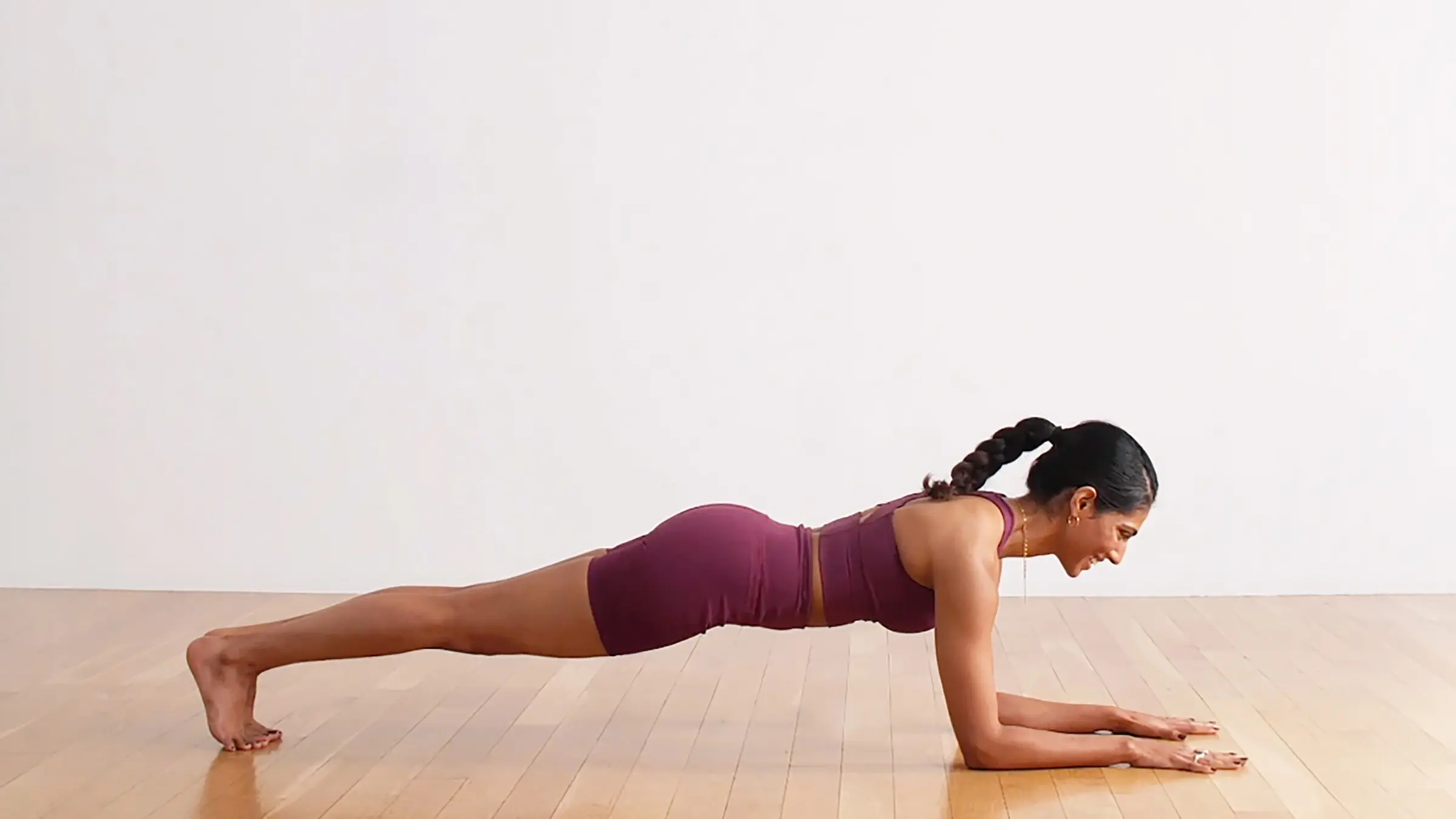
- From your forearm plank, squeeze both glutes hard like you are trying to hold a coin between them.
- Keep knees straight and press your heels back.
- Feel your thighs tighten a bit too. That is good. A plank is a core exercise, but your legs matter more than most people think.
What you should feel
- Less strain in the lower back
- More stability through hips
- A stronger “locked-in” torso
Reality check: If your hips pop up when you squeeze your glutes, that is fine. Lower them back down slowly after you create tension. We want glutes on and body in a straight line.

Form tweak #3: Gentle pelvic tuck
If you only take one cue from this whole article, take this: a slight posterior pelvic tilt. In plain language, it means you lightly tuck your tailbone and bring your ribcage and pelvis into a more stacked position.
How to do it
- Set elbows under shoulders.
- Squeeze glutes.
- Exhale slowly through your mouth like you are fogging a mirror.
- As you exhale, gently tuck your tailbone and think “zip up my lower abs.”
- Hold that shape and then return to calm breathing.
The exhale matters because it helps your ribs come down and your abs kick on naturally. For many people, sagging planks are often a rib position issue as much as a hip issue.
What “right” looks like
- No hammock in the lower back
- Ribs not flaring forward
- Glutes and abs sharing the load
Important: This is a gentle tuck, not a hard crunch. If you tuck so hard your hips rise a lot, ease off and find the middle ground where your core is on and your body line stays clean.
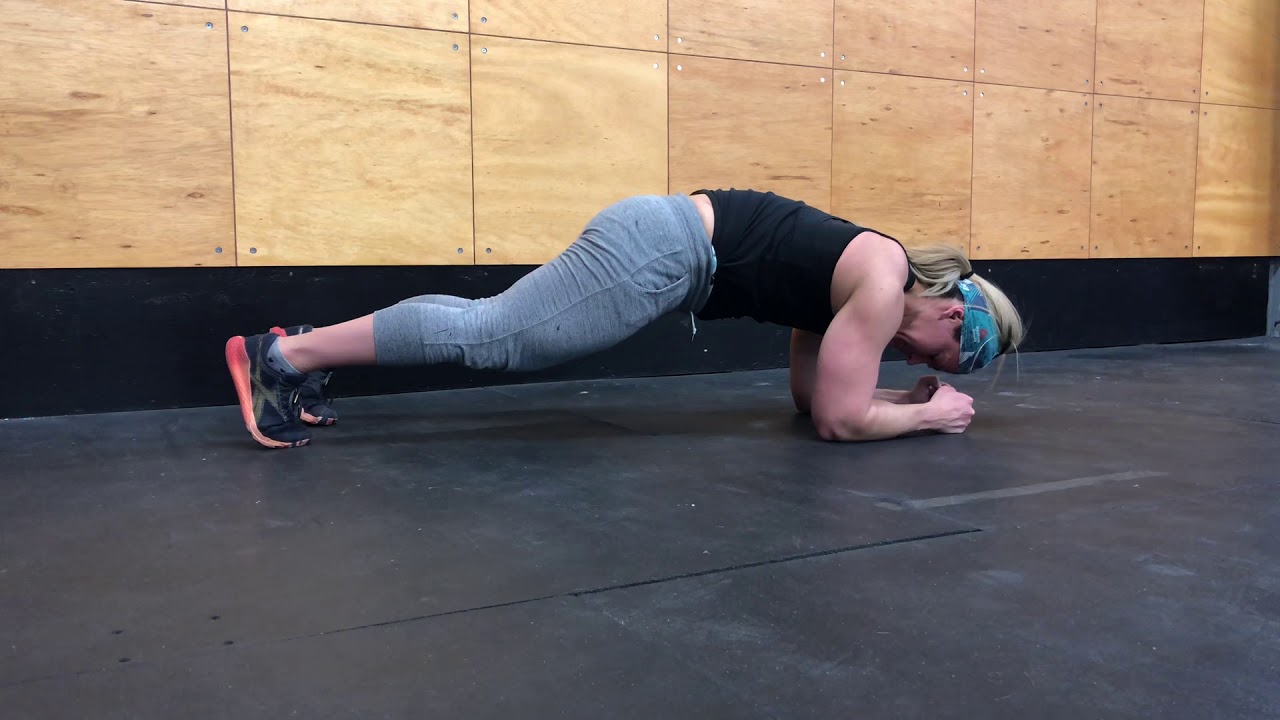
10-second checklist
Try this the next time you plank. It is the fastest way I know to add time without “trying harder.”
- Elbows: under shoulders
- Forearms: parallel, shoulder-width
- Floor pressure: press forearms down and gently drag them toward your feet (a small isometric pull, no sliding or actual movement) to help engage your upper back
- Glutes: squeeze hard
- Pelvis: gentle tuck with an exhale
- Neck: long, gaze a few inches in front of your forearms
If you do these in order, the plank usually goes from chaotic to controlled.
Fix shaking and shoulder pain
Make your upper back help
If your shoulder blades pinch together, your shoulders will fatigue fast. Instead, think “spread the floor” and let your upper back widen.
- Press forearms down
- Gently push your chest away from the floor while keeping ribs down
- Feel space between shoulder blades
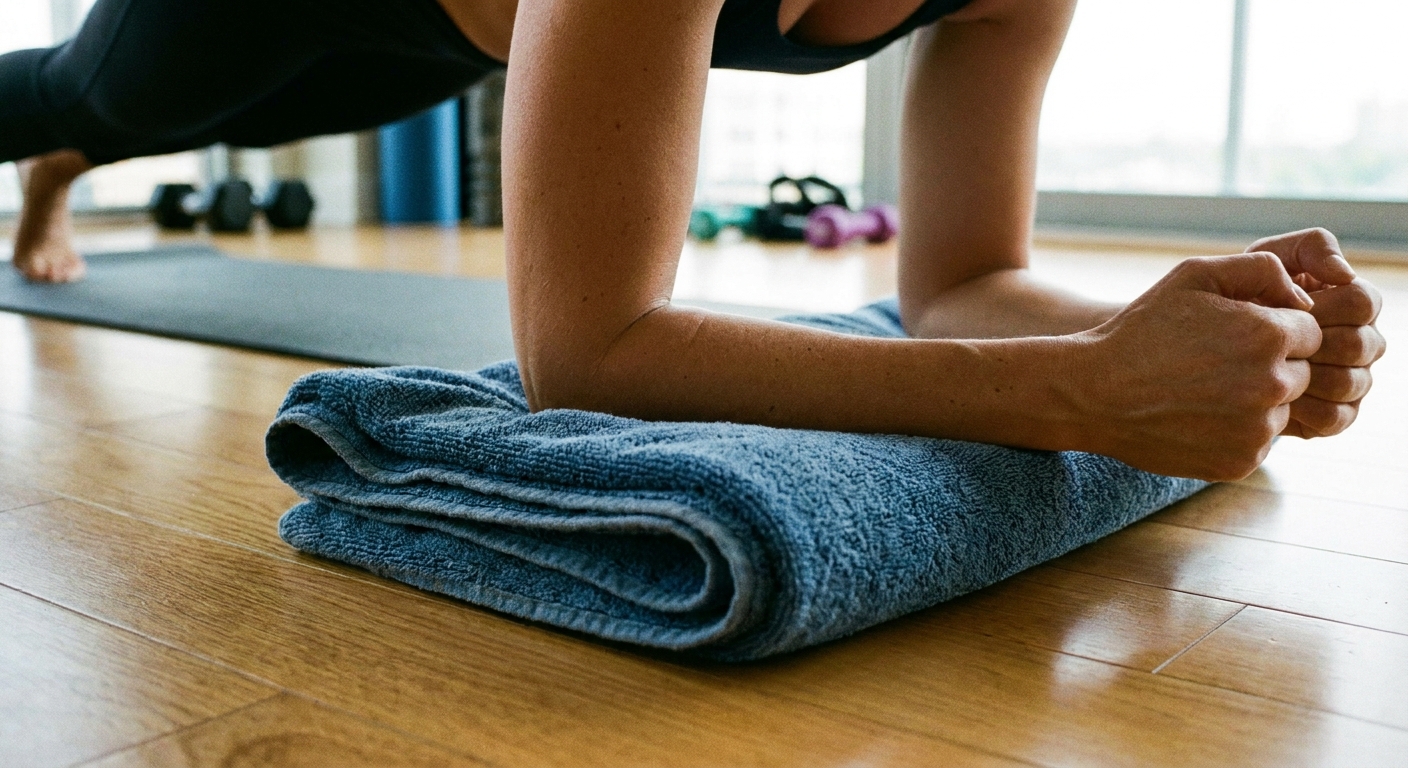
Fix elbow discomfort
Forearm planks are usually wrist-friendly, but elbows can feel cranky on hard floors.
- Use a folded towel under elbows
- Try a thicker mat
- Keep forearms parallel to reduce elbow twist
Stop feet from sliding
Sliding turns a plank into an unplanned hamstring exercise.
- Plank barefoot on a yoga mat
- Or wear shoes on carpet for traction
- Push your heels back without letting feet drift
Beginner options
If a full forearm plank feels like too much right now, you are not failing. You are just starting in the right place. Use a version that lets you own the checklist.
Option 1: Elevated plank
- Place forearms on a sturdy bench, couch, or countertop.
- Walk feet back until your body is in a straight line.
- Use the same cues: elbows under shoulders, glutes on, gentle tuck.
Option 2: Knees-down plank
- Set up on forearms.
- Drop knees to the floor.
- Keep glutes engaged and avoid letting your lower back sag.
Option 3: Short holds
- Do 8 to 15 second holds, focusing on floor pressure and ribs down.
- Rest longer than you think you need, then repeat.
If planks keep hurting
If planks consistently cause pain, especially in wrists or the front of the shoulders, do not force it. Use an incline (forearms on a bench), reduce range, or swap in core drills like dead bugs or bird dogs until you can train without pain.
Build time without maxing out
Consistency beats intensity. If you go to failure every day, your form usually gets sloppy and your shoulders start complaining. Here are two beginner-friendly ways to progress.
Option A: Quality holds
- Do 3 to 5 sets of 15 to 30 seconds
- Stop each set while your form is still strong
- Rest 30 to 60 seconds between sets
When you can complete all sets with a clean shape, add 5 seconds per set next time.
Option B: Ladder sets
- 20 seconds, rest 20
- 15 seconds, rest 15
- 10 seconds, rest 10
- 5 seconds, done
This works great on busy days because it feels manageable and still builds skill.
How long should you hold?
For most people, 20 to 60 seconds with excellent form is a sweet spot. Once you can own that range, you can either add time gradually or make the plank harder instead of chasing marathon holds.
Progress when ready
When your regular plank feels controlled for multiple sets, try one upgrade at a time:
- Long-lever plank: walk feet back slightly (harder core demand).
- RKC-style plank: short, high-tension holds (10 to 20 seconds) with strong glute squeeze and a gentle isometric “forearm drag” (think pull without movement). Stop if this irritates your shoulders.
- Shoulder taps (high plank): build anti-rotation control if wrists and shoulders tolerate it.
Keep the same rule: quality first. If your hips twist or your lower back starts to complain, scale it back.
Common problems
If your lower back hurts
- Squeeze glutes harder
- Do the exhale plus gentle pelvic tuck
- Shorten the hold and keep quality high
If pain is sharp, persistent, or radiates (or you have a history of back injury), stop and consider checking with a qualified professional. Planks should feel challenging, not painful.
If your shoulders burn out first
- Bring elbows under shoulders
- Press forearms down to engage upper back
- Try a slightly wider stance with feet for more stability
If your hips keep sagging
- Think “ribs down”
- Exhale, tuck gently, then breathe normally
- Use shorter sets so you do not practice the sag
If you cannot stop shaking
Shaking is usually just fatigue plus learning a new tension pattern. It is not a problem by itself.
- Widen feet a bit
- Reduce hold time
- Focus on smooth breathing
If shaking comes with pain, numbness, tingling, dizziness, or you feel like you might faint, stop and reset. Those are not “push through it” signals.
2-minute tune-up
This is a fast routine you can repeat 3 to 4 times per week to make your plank feel more natural.
- Forearm plank: 20 seconds with the checklist
- Rest: 20 seconds
- Forearm plank: 15 seconds, squeeze glutes harder
- Rest: 20 seconds
- Forearm plank: 10 seconds, perfect ribs down and pelvic tuck
You are practicing control, not chasing exhaustion. Most people add time naturally once the shape is locked in.
FAQ
Elbows or hands?
Many beginners hold longer on forearms because it reduces wrist load and makes it easier to find a steady shoulder position. High planks are great too, but if your goal is endurance right now, forearms are often the simpler starting point.
One long plank or multiple short planks?
Multiple short planks with great form usually win, especially for beginners. You build strength and skill without practicing the saggy version you do when you are exhausted.
Where should I feel it?
Mainly in your abs, glutes, and upper back. You will feel shoulders working, but you should not feel a cranky pinch in the front of the shoulder or compression in the lower back.
How often should I train planks?
3 to 5 days per week works well if you keep the sets sub-max and form-focused. If you are going to failure every time, reduce frequency.
The takeaway
If your plank time is stuck, do not “try harder” first. Try smarter:
- Elbows under shoulders with forearms parallel
- Squeeze glutes to protect your lower back and stabilize hips
- Exhale and gently tuck to stack ribs over pelvis
Give yourself a week of practicing clean, shorter holds. Most people are surprised how fast endurance improves when the leaks stop.